
Reading options
What's inside (9 sections)
I came to In a Dark, Dark Wood after The Woman in Cabin 10, curious how Ruth Ware started. Published by Gallery Scout Press in 2015, 352 pages, this is a closed circle hen party thriller with a simple hook. Nora Shaw, a crime writer who avoids people, accepts a hen invitation from Clare Cavendish, a school friend she has not seen in ten years. She spends a weekend in a glass house in the woods, someone is shot, and she wakes in hospital trying to rebuild memory from pieces. It is tense, sad, and a little slow in the middle, but the friendship writing kept me reading.
The invite Nora wanted to refuse
Nora lives alone in Hackney and likes routine. Run, write, dodge calls. She grew up as Lee, changed her name, and keeps school out of talk. Her best friend Nina da Souza still calls her Lee and gets away with it. Nina is loud, warm, blunt, a lawyer who defends Nora without being asked. When the gold hen invite arrives for Clare Cavendish, Nora wants to bin it. Nina talks her into going. Two nights in Northumberland. Face the past and leave. Nora agrees mostly to stop thinking about it.
Clare was once her closest friend. At fifteen they shared music, books, plans to leave town. Then they broke apart after a school play and a night accident no one describes cleanly. Nora left and became Nora, writer of tidy murders. Clare stayed, worked in charity PR, got engaged to James Margot, a doctor. Clare adds a small note to the invite, really hope you can come, which Nora reads three times.
The train north sets their dynamic. Nina brings wine and gossip, teases Nora about deadlines and black clothes, asks what happened with Clare. Nora says they drifted. Nina says people do not drift for ten years without reason. Talk moves to Flo, the organizer, young and eager, a couple years below them, sender of long group emails with schedules and meal plans. Melanie, another school friend with two small kids, replies politely. Two London friends complete six. Nina predicts forced games and too much prosecco. She is right.
The glass house and the walk
The house is beautiful and wrong. A new box of glass and pale wood at the end of a muddy track through private woods. Floor to ceiling windows facing pines. Open kitchen, wood burner, deck with hot tub, three rooms up, two down, sauna. No curtains yet. No neighbours. No signal in the dip. Flo meets them in a Maid of Honour sash, hugs hard, pins a schedule to the fridge. Drinks. Walk before dark. Quiz. Dinner. Sloe gin. Nora feels exposed by glass and watched by trees at once.
Flo insists on a group walk before light fails. Boots on, they follow a wet trail through tall woods. Mud, crows, cold air. Clare leads in a neat raincoat, quiet, pointing out a chapel ruin and a pheasant clearing like memorized notes. Melanie talks about broken sleep and walking without a buggy. Flo takes photos for a hen album. Nina links arms with Nora and jokes about bonding. Nora notes what a crime writer would note. Distance to the road. How long help would take. How sound dies in trees. How the lit house will glow all night for anyone outside. Clare watches Nora when she thinks Nora looks at moss, curious and wary.
Hen games and old cracks
Back inside, hen rituals take over. Sashes, veil for Clare, prosecco, a memory jar for favourite Clare stories. Nora freezes with pen in hand. What is safe when history is unsafe? She writes something bland about hockey. Nina writes something rude that makes Clare laugh properly for the first time. Then a quiz about Clare and James. How they met at a gala. How he proposed in the kitchen. Doctor in A and E. Kind. Steady. Saved me, Clare says once, then smiles it away.
Flo tries so hard it aches. Menu, playlist, games, sloe gin from her parents. She refills glasses, starts dancing to fill silences, snaps when mocked then apologizes fast. She is twenty six, sharing a flat, newly split from a boyfriend, keen to seem capable to older women she admired. She idolizes Clare. She is nervous around Nina. Under drink she turns sharp then soft. I just wanted it perfect, she tells Nora in the kitchen. Nora feels sudden protectiveness.
Melanie steadies and cracks the group. Tired and kind, she drinks less and checks her dead phone for kid photos. She keeps calling Nora Lee, as she knew her. To Melanie, Lee was clever and wrote the school play. To Nora, Lee is a girl who made a bad choice and ran. Melanie means no harm, but her nostalgia makes silence heavier. Nina fills gaps, mocks games with love, pulls Nora to the deck when questions press. Why did you lose touch, someone asks. Clare says school feels another life. Nora says nothing. Nina pivots to wedding venues and saves them.
Evening turns as drink and history turn. Hot tub in cold dark. Truth cards that start funny then sharpen. Who was jealous in the play? Clare drinks more than expected. She cries, laughs, hugs Nora hard, glad she came, afraid she would refuse. They step out together. Black trees around light. Clare says, I never forgot what happened. Nora says, me neither. Flo calls them in for cake before more comes out.
James arrives
A knock after ten changes air. Rain, a man at the glass door. Flo shrieks. Surprise. She invited James early as a treat. James Margot steps in, wet coat, wine, easy smile. Hugs Clare, kisses Flo's cheek, shakes hands. Then he looks at Nora. Lee, he says. You write crime now. The room tilts. James is not just the groom. He was Mr. Margot, their young drama teacher, bright with praise. He directed Lee's play, cast Clare as lead, praised Lee's words, kept a hand too long on Clare's shoulder, drove girls home after rehearsals. He was there the night of the crash.
Memory returns in flashes. Lee worshipped his attention. Clare glowed in it. After the cast party came cider, a dark lane, a dare, a car with a weak headlight. A boy ran across and was hit. In Nora's buried version Lee dared him, Margot drove, Clare screamed, adults softened facts to protect school and teacher. The boy died. Lee left early, cut friends, became Nora. Clare kept in touch with Margot. Years later teacher and pupil became partners. To outsiders rescue. To Nora, a pattern.
Dinner with James is loud and strained. He pours, tells hospital stories, praises the house he booked through a friend. Flo glows. Melanie relaxes. Clare drinks and watches her fiance and old friend with panic. Nina watches James with open dislike. When he jokes about hysterical relatives, Nina asks what he means by that. Nora slips to a bedroom to breathe and hears Clare hissing, tell her, and James low, not now. Flo crying. Nina telling someone to back off. Tired and half drunk, Nora takes half a sleeping pill with wine and lies down dressed. That mix will cost her memory.
The shot
What follows Ware writes as fracture. Crash. Voices on wood. Music still on. Scream. Nina shouting for Nora. Nora stumbling out thick headed. Flo near the burner holding a small pistol, shaking, half laughing half crying. Clare begging, put it down. James stepping forward calm, give it to me. Melanie clutching the dead landline. Nina moving between Flo and the gun. Nora lunging. A bang inside bone. A shot. Glass cracking. Blood on pale wood. Running feet. Then dark for Nora, a fall, pain at the skull.
The shot ends the weekend. Flo is hit in the chest and dies on the rug while James presses towels and shouts orders. Nora is on the floor with blood on her hands, head bleeding from the burner edge, unsure what she touched. Sirens take forever through mud. Paramedics bring cold air and lights. Police torches swing through glass. Who owned the gun. Where did it come from. Who fired.
Hospital, memory and twist
Nora wakes in hospital with concussion, stitches, gaps. Police ask gently and often about drink, pills, rows, the gun. Nora answers honestly. I drank. I took half a pill. I heard arguing. I saw Flo with the gun. I lunged. I do not recall the second before the shot. As a writer she plots murders where clues align. Here her own night will not align. She recalls Flo laughing in the kitchen more clearly than Flo scared by the fire. Drink plus concussion plus old trauma tangles recall, and Ware leaves it messy.
Nina visits with a sling and fury. She recalls Flo showing the pistol late, saying her flat was broken into and a relative gave her the gun for the remote house. Flo waved it as a joke after James mocked games, then the joke turned as James moved to grab it. Clare cried. Melanie froze. Nora rushed in half awake. Nina is sure Nora did not shoot in anger, but admits she watched Flo not hands in the last second. Drink and panic blur edges.
Hospital days feel slow, and I felt it. Nurses saying rest. Headache. School flashes. Police rephrasing questions. Nora holds the memory jar slip Flo never read, later handed over with her bag. In Clare's hand, sorry for then, let me explain before the wedding. Small facts snag. Who texted about James coming early. Why a glass house with no curtains. Why Flo felt she needed a gun. Why Clare invited the one friend who knew the old story.
Clare comes at last, coat buttoned wrong, polish gone. What she tells Nora with Nina present is the twist that reframes all. James drove that school night. Not a student. He drank wine at the party and insisted on driving girls home. Lee dared the boy to run as a stupid joke, guilt she carried for years, but the car that hit him was driven too fast by an adult. Afterward James shaped the tale. Boy ran out. No one drunk. Silence protects all. He told Lee her dare made her guilty too. Lee was fifteen and believed him. Clare believed longer because he counselled, guided, later loved her. Grooming, Nina says plainly. Clare flinches but does not deny.
The hen was Clare trying to break free. Near the wedding she felt sick being saved by the man tied to that death. She wanted Nora as witness and courage, planned to tell truth then police. She had Flo bring James early to force talk. Flo brought the gun from fear and pride. When drink and old fear met, James tried to control gun and story together. In the struggle it fired. Flo died. James moved the weapon under cover of first aid and let concussed Nora doubt herself. Clare froze and let him. Powder patterns, shot angle, Flo's texts, call times, Clare's note, and Nora's returning memory break him. Nora at last sees James hands on the pistol, Flo pulling back, herself reaching for Flo's arm not the trigger. The shot was panic and control, not planned murder, but guilt runs deep. Police arrest James in the corridor, still calm, still explaining. Clare speaks on record. Melanie confirms times. Nina holds Nora's hand.
Slow middle, strong close
The glass house works as more than set. By day light and lovely. By night a lit stage in black woods where all see shapes but no detail. That fits a book about being watched and not believed. Nora fits too. Anxious, observant, harsh on herself, sharp on others. She misreads her own guilt while noting who pours, who looks away, who touches whom.
Fair criticism is pace. The middle sags with walk, drink, game, argue, sleep while Nora circles James without naming him. Ware holds crash detail so late that many will guess early and grow impatient. Pill plus wine plus concussion can feel built to excuse forgetting. Twice I wanted Nora to write times down or leave when James arrived. Fear and manners explain some staying, not all. The hospital memory loop drags near two thirds with headaches and half flashes.
Still the close lands because the twist is moral not just clever. Who drove, who covered, who kept a young woman close with guilt as care. Reread early lines and they chill. James always driving girls home. Clare saying he saved her. Flo trusting a gun to feel safe. Flo's death stays senseless. No noble sacrifice. A kind eager woman who wanted a perfect weekend died of it. Ware does not soften with speeches. Her parents hear she organized games and died helping friends. That kind lie sits heavy.
Nora and Nina carry the end without neat healing. Headaches remain, drink doubts remain, crime writing remains. But Nora lets Nina call her Lee without flinching, reclaiming not hiding. Clare faces police, shame, cancelled wedding, harder truth about her fiance. James waits for trial calling it accident. Accident yes. Innocent no. For fans of closed circle thrillers, hen weekends gone wrong, Christie groups with dead phones, this satisfies. If you need fast procedure, look elsewhere. Slow in parts, sad in others, a debut that explains later houses and locked doors. Read with lights on and no guns as jokes.
FAQ
When was In a Dark, Dark Wood published?
Gallery Scout Press published it in 2015. The hardcover runs 352 pages and the ISBN is 9781501114284.
Who are the main characters?
Nora Shaw, once called Lee, her friend Nina da Souza, bride Clare Cavendish, organizer Flo, Melanie, and groom James Margot.
Is it part of a series?
No, it is a standalone debut thriller. Ruth Ware later wrote similar closed circle books like The Woman in Cabin 10.
Similar books
More like In a Dark, Dark Wood →
The Only One Left
Caregiver Kit tends mute Lenora Hope accused of 1929 family murders.
2,592-word summary · 12 min read
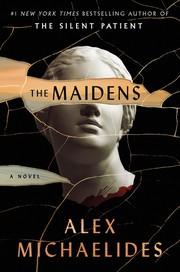
The Maidens
Therapist Mariana hunts Cambridge professor Edward Fosca after a Maidens murder.
2,234-word summary · 10 min read

The Locked Door
Surgeon Nora Davis hides serial killer father while patients die.
2,465-word summary · 11 min read

The Coworker
When odd accountant Dawn vanishes, star salesperson Natalie becomes the prime suspect in a tense office thriller with turtles, lies and revenge.
2,511-word summary · 11 min read

Mr. Mercedes
Retired Hodges hunts Mercedes killer Brady Hartsfield concert plot.
2,281-word summary · 10 min read

1st to Die
Lindsay, Claire, Cindy and Jill hunt a honeymoon killer terrorizing San Francisco.
2,536-word summary · 11 min read