
My Brilliant Friend
2,584-word summary 11 min read 336 pages in the book
- First published
- 2011
- Publisher
- Europa Editions
- Pages
- 336
- ISBN
- 9781609450786
- Original title
- L'amica geniale
- Series
- Neapolitan Novels (#1)
Reading options
What's inside (8 sections)
I picked this up after years of hearing friends talk about it the way people talk about a place they once lived. A friend who grew up near Naples told me to read it in winter, when evenings close early. I expected a warm friendship story with Italian color. What I found was closer to a memory that refuses to sit still, told by a woman in her sixties trying to hold onto a friend who vanished.
First published in 2011 in Italy as L'amica geniale by Edizioni E/O, in a text of 336 pages that underlies the English edition from Europa Editions, ISBN 9781609450786, translated by Ann Goldstein. The story runs from childhood in the early 1950s through late teens in the 1960s, narrated throughout by Elena Greco, called Lenu. Her friend is Raffaella Cerullo, called Lila or Lina, daughter of a shoemaker in the same poor outer district of Naples, the rione. The present frame is brief and sharp. Lila, now in her sixties, has disappeared. Her son Rino calls Elena to say his mother is gone without clothes or photos left behind. Elena sits at her desk and starts to write their life from the start, as if writing can force Lila back into view.
That frame shapes every page. Elena loves Lila and resents her. She copies her and tries to outrun her. When Lila erases all traces, Elena answers by putting her back on paper in full detail. The book you hold is that answer.
The rione and the woman who starts writing
The rione is not postcard Naples. It is a cluster of pale postwar blocks beside rail tracks and a dark tunnel, with open ground stretching toward Vesuvius. Stairwells smell of cooking and damp. Courtyards are shared and loud. Men work as porters and carpenters and grocers. Women watch from windows and keep flats clean with pride. Children play in the street with stones and rag dolls. Violence sits close. The black market is fresh in memory. Men who grew rich in the war years still collect fear and favors.
Elena knows this place the way you know a house you lived in too long. She knows the bar where men play cards and the church steps where girls show new shoes. She also knows people do not leave easily. Girls marry early. Boys take jobs in family shops. School ends fast for most.
Rino call fits this world. In the rione people leave by marriage or by work in the north. They do not vanish by choice at sixty. Rino is angry and lost. Elena is less surprised than she admits. Lila spoke since childhood of wanting no funeral and no trace. Now that it has happened, Elena feels provoked. If Lila wants to disappear, Elena will tell their story from the first game and make forgetting impossible.
Elena writes in clear sentences that keep correcting themselves. She will say Lila was best in class, then add that perhaps she remembers it that way because she felt dull beside her. She will say her mother disliked Lila, then admit her mother feared any bold girl. You trust Elena for facts about who married whom and who opened which shop. You trust her less on why Lila acted, because Elena herself says Lila always moved a step beyond what she could follow.
Lenu and Lila, dolls and Don Achille
Elena is the second of four in the Greco family. Her father works as a porter at city hall. Her mother is lame, sharp tongued, worn by housework. Elena is neat, eager to please, afraid of looking stupid. She does what teachers ask and studies at the kitchen table while siblings shout.
Lila is the eldest daughter of Fernando Cerullo, a cobbler with a small dark shop, and his wife Nunzia. Her brother Rino is her ally. From the first pages Lila is different. She learns to read from scraps. She does sums fast. She speaks back to adults. She throws stones further than boys. She wants to know what sits inside a radio and how words change when moved.
Their bond starts with dolls. Both own cheap celluloid dolls, Tina and Nu. One day the dolls drop into the cellar grate of Don Achille Carracci, the ogre of the rione. Don Achille is a former black marketeer grown rich, a name parents use to frighten children. Lila decides they will knock and ask for the dolls back. Elena follows because she cannot bear to be left behind. Don Achille gives them coins. Lila decides they will buy Little Women rather than sweets.
That episode holds the whole friendship. Lila acts. Elena follows and turns following into study. Soon they compete in class under Maestra Oliviero, their fierce primary teacher. Oliviero sees Lila as a prodigy and Elena as steady. She seats them together. At recess Lila invents long stories of princesses and revenge. Elena listens open mouthed, then writes her own tales to keep up.
Don Achille shadow runs under these years. His son Stefano and daughter Pinuccia are in the same school crowd. When Don Achille is later found dead, rumor fills the courtyard and fear lifts a little. New powers are already growing, softer in manner and harder to name.
What feels true here is how Ferrante makes intelligence physical. Lila fixes a radio and writes with a force that shocks Oliviero. Elena copies her posture at the desk.
School, Latin and the road that splits
The split that shapes the book comes from money and custom, rather than talent. Both girls finish primary with top marks. Oliviero begs both families to continue to middle school. The Grecos agree for Elena, though fees strain them. They buy books secondhand and pay in parts. The Cerullos refuse for Lila. Fernando needs her in the shop. Nunzia thinks study will harm marriage chances. Oliviero argues and offers help with forms. Fernando shouts her out.
This hurts to read because Lila is the faster mind. She picks up Latin roots on her own. She reads library books Elena lends her and returns them with sharp remarks. She asks what declensions Elena learned that day and masters them in an evening at the workbench. Elena moves forward on the formal path. She enters middle school, then ginnasio and liceo where Latin and Greek decide who counts as educated. She works without pause and fears each test will expose her as a fraud from the rione. She passes through effort.
Latin becomes the clearest sign of their gap. For Elena, Latin means vocab lists and versions to translate and marks that keep her in school. She sits with a dictionary and builds sentences word by word. For Lila, Latin is a code cracked for pleasure. She borrows the grammar and reads it like a puzzle, spotting patterns Elena missed. Elena brings home praise. Lila stays home and grows cutting in speech, as if to show she needs no school that rejected her.
Later teachers encourage Elena to aim high, even toward the Scuola Normale Superiore in Pisa, a path almost no girl from the rione has taken.
Boys now orbit them. Nino Sarratore, son of railway worker turned journalist Donato Sarratore, is bright and handsome. Antonio Cappuccio loves Elena with rough care. Enzo Scanno stays near Lila without asking much. Elena grows tall and plain in her own eyes. Lila grows into sharp beauty. Elena records this with honesty that stings.
The Solaras, the shoes and Stefano Carracci
No account of the rione works without the Solara family. Silvio Solara runs Bar Solara with his wife Manuela. Their sons Marcello and Michele grow up with money and menace. They dress well. They drive. They lend and ask favors back with interest. All know they trade in shady deals and that the bar fronts wider control. Yet they smile and pay for weddings and offer jobs. Marcello, the elder, falls hard for Lila when she is barely fourteen. He follows her and sends gifts and asks her father for her hand in old style.
Fernando is tempted because Solara money could save his shop. Rino pushes for a rich brother in law. Lila refuses with cold fury. She will not be bought. She says so to faces that rarely hear refusal. The street watches to see if the Cerullos will pay for it.
Into this gap steps Stefano Carracci. Son of Don Achille, he has remade himself as a modern grocer with a new store and a car. He is polite where Marcello is crude. He courts Lila steadily, with gifts for her mother and respect for her father. He also sees business in her talent. Lila and Rino have sketched new shoe models in secret, with bold straps and cutouts. They make a pair by hand. Stefano offers funds for a small line under the Cerullo name. He promises Lila a workshop and credit.
Ferrante spends time in the shop, with glue smell and leather dust. Fernando repairs well but fears new shapes. Lila draws with a sure hand. When first pairs sell, even Fernando softens. For a short stretch talent seems able to buy freedom.
Stefano and Marcello circle each other over Lila and over trade. Stefano wants to show he is not his father nor a servant of the Solaras. Marcello wants to show no one refuses him. For a while Stefano wins. He asks properly. Fernando accepts. Nunzia weeps with relief. Lila says yes, less from soft love than from will to leave her father house and to prove she can run a life without school. Elena watches from her desk, still translating Latin, feeling her friend move into adult deals she cannot follow.
Stefano at this stage is no plain villain. He is generous and pays debts. Warning signs stay small. He tightens when contradicted and speaks of honor in a way that sounds old for a young man with a new car.
Marriage to Stefano and the price of the dress
Lila marries at sixteen. The wedding fills the street with tables and music and sugar almonds. Elena stands as bridesmaid, proud and miserable in a good dress. She has just passed exams that could carry her further. Few at the feast ask of her marks. All eyes rest on Lila in white, thin and pale and holding high.
Ferrante writes the wedding as a social map. The Solaras come dressed rich and smiling. The Cerullos sit stiff in new clothes. Photos are taken before the new shoe shop sign that reads Cerullo. Lila smiles for the camera. She had made Stefano promise the Solaras would have no part in her shoes or her day. Stefano breaks that promise within hours, letting Marcello pose as a partner. Lila grasps the insult at once. Honor here is what appears in pictures.
The honeymoon on the Amalfi coast turns brutal. Stefano, thwarted and drunk, forces himself on Lila when she refuses him. Elena learns this later in fragments, not in one clean account. Lila tells it in pieces, with anger more than tears. She presents herself less as broken than as cheated by a man who courted her with respect and then claimed rights over her body. From here the marriage cools. Stefano gives money and expects obedience. Lila gives coldness and keeps her mind elsewhere.
Back in Naples Lila plays the young signora. She has a modern flat with television and good coats. She runs the shop opening. Underneath she stays restless. She quarrels with Stefano over Solara money in his expansion. Elena visits and feels envy for the full fridge, paired with pity for the way Stefano watches Lila at table.
Elena keeps studying. She spends a summer on Ischia with Lila, a long stretch of sea and sun. Lila swims and laughs again. Elena meets Nino again, older and full of plans to write. Even there deals follow. Lila uses Elena to meet Nino in secret. Elena agrees from love and curiosity, then feels used.
The Ischia section runs long and some readers will find it slow. The island lets both girls show who they are off duty. Lila feels sharp hunger for Nino, who talks of books she never got to study. Elena helps them meet and hates herself for helping.
By the close of this part Lila is pregnant and trapped in a marriage she despises. Stefano strikes her when she defies him before others, then apologizes with gifts. Elena packs for Pisa with a scholarship, sick with guilt for leaving and wild with hope for going. The two embrace at the station in a way that settles nothing of who owes whom.
Pisa, distance and what drags
Elena in Pisa is a different book inside the book. The Scuola Normale Superiore means old stone and quiet halls, far from courtyard shouting. Fellow students speak clean Italian and quote poets. Elena works to catch up. She hides her accent and then learns to use it on purpose. She feels lonely and thrilled. For the first time no one knows her as Lila friend.
Lila stays in Naples and pulls from writing. Letters shorten. Calls turn tense. Lila mocks university talk. Elena brags without meaning to. Each feels betrayed. Elena thinks Lila wastes a rare mind on shop quarrels and marriage war. Lila thinks Elena parrots professors. When they meet, old ease flashes then cuts. A walk to buy fabric turns into a fight over money. A dinner turns into a test of who recalls the cellar right.
This distance forms the point. Schooling can save a girl and also cut her from home. Elena gains language and travel and a room of her own. She loses fluency in rione codes. Lila gains hard knowledge of contracts and blows and pregnancy fear.
Fair criticism belongs here, because the novel asks for patience. The cast is huge. Greco, Cerullo, Carracci, Sarratore, Solara, Cappuccio, Peluso, Scanno, plus teachers and cousins. First names repeat. Nicknames shift. Rino is Lila brother but Rino is also Lila son in the frame sixty years later, which confuses tired readers. Marcello and Michele blur until you fix Marcello as suitor and Michele as colder brother. You will flip back. I kept a small list on paper and it helped.
Pace slows in the middle. Wedding prep, shop talk, beach days, exam lists. Ferrante loves process. She shows how shoes are cut and how a Latin version is built. If you want quick turns, you may fidget near the center. Then a short scene, Stefano raising a hand at table or Lila staring at a photo with Solaras in it, snaps awake and makes the slow build feel earned.
The prose in Goldstein translation stays plain and strong, not flowery. It favors short verbs and repeats images of cutting and binding.
What stays with me is structure more than twist. A brilliant girl denied school seeks power through marriage and money, then finds that power mortgaged. A steady girl granted school finds freedom through books, then finds that freedom edged with guilt. The title names one brilliant friend. The narration keeps asking which one, and at what cost. Elena writes to hold Lila on paper. Lila vanishes to prove she cannot be held. I closed the last pages thinking of a school friend who solved any math set and left at sixteen to work in a shop. I had not thought of her in years.
FAQ
Is My Brilliant Friend based on a true story?
No, it is fiction published under a pen name. The 1950s Naples rione draws on postwar poverty and strict social codes rendered in close detail.
Do I need to read the Neapolitan Novels in order?
Yes, start here as book one of the Neapolitan Novels. It sets the childhood bond, the Stefano marriage, and Elena move to Pisa that later volumes continue.
Why is the cast so hard to follow?
The rione families share first names and nicknames, and teachers and shopkeepers pile up fast. A short family list helps through the slow middle.
Similar books
More like My Brilliant Friend →More from Neapolitan Novels first, then related titles.
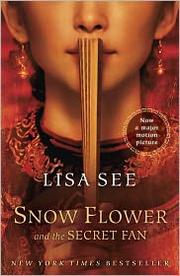
Snow Flower and the Secret Fan
Footbound Lily and Snow Flower share laotong bond through 19th century Hunan hardship.
2,557-word summary · 11 min read

The Kite Runner
Khaled Hosseini's The Kite Runner retold: Amir and Hassan in Kabul, the alley, the escape to America, and the return to find Sohrab.
2,584-word summary · 11 min read

A Thousand Splendid Suns
Splendid Suns retold: Mariam and Laila share Kabul house, war, Rasheed, escape and return.
1,957-word summary · 9 min read

Things Fall Apart
Proud Igbo wrestler Okonkwo rises in 1890s Umuofia, then loses standing through hard exile, a son's conversion, and British missionaries and courts remaking…
2,518-word summary · 11 min read

The Three Musketeers
Young dArtagnan joins Athos, Porthos and Aramis to recover the queens diamonds and face Milady.
2,569-word summary · 11 min read

Homegoing
Half sisters Effia and Esi lines span Ghana to America across centuries.
2,552-word summary · 11 min read