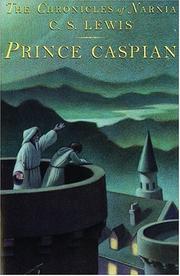
Prince Caspian
2,304-word summary 10 min read 223 pages in the book
- First published
- 1951
- Publisher
- Geoffrey Bles
- Pages
- 223
- ISBN
- 9780060235826
- Series
- Chronicles of Narnia (#2)
Reading options
What's inside (8 sections)
I picked this up again because I could picture the Stone Table and the thaw from the first book but almost nothing of what came next. I remembered a mouse with a sword and a horn blown in trouble. Reading it over four evenings at the kitchen table, I was struck first by how mournful it feels. The Pevensies are waiting on a country station platform with school bags and blazers, and then they are ripped away mid-sentence. First published in 1951 by Geoffrey Bles, it runs to 223 pages in the first edition, and it feels slimmer and sadder than its fame suggests.
That sadness hooked me. In the last book they were crowned and ruled for years. Here they return to find their castle smashed and their people silenced. Lewis gives them no triumphant entry, only sore feet, hunger, and a puzzle in stone. That ache carries the whole tale, even when the councils in the middle run long.
Pulled Off The Platform
Peter, Susan, Edmund, and Lucy feel the pull at the station as a tug and shake, and land on a wooded beach with waves breaking and no luggage. Peter at once counts supplies and looks for water. Susan frets about supper and being found. Edmund, cooler than the sulky boy of the last book, bends a pin for a fish hook. Lucy runs barefoot and laughs. They drink from a spring in the rocks and eat a thin catch. No feast waits. No kind beaver leads them in. This Narnia will not feed them on wonder alone.
Exploring inland, they find ivy-covered walls and a ruined hall. Susan turns up a golden chess knight. Lucy finds a sundial marked with her own words. Slowly they grasp the truth. They stand in the ruins of Cair Paravel itself, their own castle, now cut off as an island because the sea has eaten the coast. I found that reveal quietly brutal. To walk as a king through your own hall and pull toys from weeds hurts more than any trumpet call.
They sleep that night in the old treasure vault. Peter digs out his sword, Susan her bow and horn, Lucy her small bottle with a few drops of healing cordial left and her dagger. They eat wild apples from the old orchard. They argue about time, since one year in England seems to mean centuries here. Lewis offers no table for that exchange, and Peter owns that they cannot plan by it.
At dawn a boat comes with two Telmarine soldiers rowing a bound dwarf to drown him. The children watch from cover until Peter says they cannot watch murder. They shout and charge down the sand, and the soldiers bolt. The freed prisoner is Trumpkin, red-bearded, blunt, and sour about legends. He thanks them with a grumble and doubts every word they say about thrones.
Caspian And Miraz
Over a fire that night Trumpkin tells Caspian's story. Caspian is nephew to Miraz, raised in a stone castle on trimmed lessons. His father died soon after his birth. Miraz first ruled as Protector, then as king in practice, filling the court with his own men and teaching that talking beasts and queens and Aslan were nurse tales for winter nights.
Caspian hears better in secret. His old nurse whispers the true stories. His tutor Doctor Cornelius, a small learned man of half dwarf blood who keeps stars and histories in a tower room, tells him Narnia was once free, that four thrones stood at Cair Paravel, and that Telmarines from the west seized the land and hushed the woods. Caspian's hunger for those forbidden stories rang true to me, the way a kid knows when adults cut pages out.
The danger turns sharp when Miraz's wife bears a son. While Miraz lacked a direct heir, Caspian was useful. Once a blood prince arrives, the nephew becomes a threat. Cornelius wakes Caspian past midnight, gives him sword and mail and gold, and sends him riding with one order. Blow Queen Susan's horn when in dire need, and help will come. That same horn now lies in Susan's hands on the island, which is the kind of loop Lewis loves.
Caspian rides into rain and meets Trufflehunter the loyal badger, Trumpkin himself, and Nikabrik the black dwarf who hates all humans. Later comes Reepicheep, a tall mouse with feathered cap and rapier, formal to the point of comedy, leading a dozen talking mice ready to fight for Aslan though none has seen him. Caspian learns names, owns his family's wrongs, and pledges a free Narnia. Trufflehunter trusts him. Trumpkin serves while doubting. Nikabrik sneers. The camp talk of wet boots and short rations felt closer to me than later trumpets.
Miraz is no clown. He smiles in council, flatters, threatens softly, and spreads word that Caspian fled justice. His captains Glozelle and Sopespian hunt the boy with hounds and bills. That patience makes him harder to dismiss than a mere ogre.
Trumpkin Leads The Kings
Trumpkin hears the children's claim with open scorn. Four schoolchildren, lost kings. He tests Peter on old Narnia and gets exact answers, yet shakes his head. He has lived long under Telmarine rule and watched hope get people killed.
Trust builds in small acts. Edmund beats him in a practice bout on the grass by speed rather than strength. Peter treats him with plain respect. Lucy shares apples and listens. Susan shows the horn that matches his tale of hearing its blast while bound in the boat. By the time they agree to march inland to Aslan's How, the mound raised over the Stone Table where Caspian hides, the pact feels earned.
The march is hard. Packs chafe. Shoes pinch. They lose the path and sleep cold in a gorge. Peter doubts his lead, and Edmund steadies him without a speech. I liked that Lewis lets Peter tire and snap without calling him failed. It makes the High King human after last book's polish.
At the How they arrive amid bitter counsel. Caspian is short of food and ringed by Miraz's men. Nikabrik urges dark aid and brings a hag and a werewolf to call back the White Witch. Trufflehunter growls against it. Cornelius warns against it. Caspian wavers because defeat looks near. Peter's entry breaks the press at the edge of bloodshed. Caspian kneels without bidding, a boy of fifteen trying to bear a crown, and Peter lifts him by the hand. Lucy seeks Aslan in each face and does not find him yet. Trumpkin states the odds flatly. Few hungry wood folk against trained horse and supply lines.
Lucy Sees Aslan Alone
The night march to better ground gives the finest passage in the book. Lucy wakes and sees Aslan between trees, bright and huge, bidding her follow. She cries out. No one else sees him. Trumpkin says nothing stands there. Susan gently blames tired eyes. Peter kindly keeps to the chosen road. Only Edmund sides with her, since he remembers pardon he did not earn.
Lucy yields to the group, and they end up trapped in a tight valley with cliffs above. That night Aslan comes to her again, and she buries her face in his mane in shame. He breathes on her while she owns her fear of going alone. His answer is tender and firm.
Once a King or Queen of Narnia, always a King or Queen. Bear it well, Sons of Adam. Bear it well, Daughters of Eve.
Next night she steps out alone, and this time Edmund follows, then Peter, then all. Aslan leads them over a high pass the Telmarines deemed shut, while dryads slip from beech and oak and Bacchus comes with dance and wine and a river god rising in mud and reeds. It is wild and strange after spare camp fare, joyful yet unruly, and some readers will find that revel too pagan for a Christian story. I found it stirring, though it runs a touch long.
Susan regains her sight here and shoots well when harassed. Peter learns to heed Lucy without condescension. Caspian meets Aslan trembling, owns his blood and fear, and returns steadier. Trumpkin at last sees and falls silent, which for him is worship. Nikabrik falls in the dark quarrel at the How, slain beside the hag and the wolf. My fair criticism sits here. Lucy believed late after doubt repeats the last book almost beat for beat, and Trumpkin's jeers run several pages past their use while Aslan waits in the trees. A tighter cut would have kept the night walk sharp.
The Duel And The Second Battle Of Beruna
With the woods awake, Peter sends Miraz a formal challenge to single combat to spare common blood. Edmund bears the letter, neat and brave, and Miraz mocks his height before flushing at the terms. Glozelle and Sopespian press their king to accept while privately hoping he falls. That embassy does more for Edmund than pages of talk. He stands straight, answers without bluster, and leaves with honor intact.
The duel is fought on turf before Miraz's gates, both hosts watching. Peter in old mail moves quicker. Miraz hits heavier. They trade cuts till breath rasps and dust coats their mouths. Lewis writes it blow by blow without gore, and the brevity helps. You hear iron and feet rather than speeches.
Miraz falls by treason among his own. At a false signal Glozelle drives a knife into his king from behind while shouting that Peter struck foul. The field breaks into general battle. Peter calls his line to stand. Caspian holds his wing. Trumpkin shouts hoarse orders. Reepicheep leads his mice at ankles and eyes till numbers crush him and leave him for dead in trampled grass. His band drags him clear weeping thinly. Lucy will later save him with her cordial.
What follows is named the second battle of Beruna, and it plays as release after strain. Aslan walks onto the field with waking trees and dancing followers, and fear does half the work. Horses shy at lions. Ranks break. Men flee for the bridge over the Great River, only to find the river risen. Its god tears the planks apart in mud and foam while soldiers gape. It is wonder as weapon, and Lewis plainly enjoys it after so many councils.
Caspian fights as a captain who knows his ground rather than a token prince. Susan's arrows count. Edmund plugs each sagging spot. Trumpkin swings his axe beside badgers and centaurs with no more talk of tales. By evening Miraz is dead, his host yielded or fled, and Caspian stands bloodied asking Aslan if fear has unfitted him to rule. If I carp, it is that Glozelle's stab passes fast in dust, so a young reader may miss who killed whom, and that marvels turn the tide after Peter risked all fairly. Still the duel keeps its core. Peter wagers his skin to spare his few, and Miraz dies by his own men's knives, which proves the rot better than a charge.
Crowning And Farewell
After the battle comes tending and burying. Lucy moves among the hurt till her bottle is spent. Foes and friends are laid with honor together. Reepicheep, healed yet raging at his lost tail, is granted a new tail by Aslan amid cheers. Some will call that sweet, some silly after slaughter. I sit between. It suits a children's tale where mercy shows in visible signs, though the shift from grave to feast comes fast.
Then Aslan sets a plain wooden door standing alone by a great tree and tells the Telmarines their past. They came from our world long ago, pirates and island women who slipped through a crack and bred pride and dread of the woods. Any who wish may walk through the door to our world to live in peace. Any who wish may stay under Caspian as free Narnians. Many file through, tired soldiers with nothing left to prove. A few sneer off to the hills. Most kneel to stay.
Caspian is crowned with work ahead rather than trumpets alone. He vows peace with Archenland, freedom for talking beasts, true histories in schools, and guard on the eastern sea where more wonders wait. Cornelius stands as counsellor. Trufflehunter sits high as he should. Trumpkin is named Lord Regent till the boy grows into full rule, a choice that fits his blunt care. Reepicheep kneels with restored tail and vows service through tears.
Hardest is the farewell. Aslan tells Peter and Susan they will not come back this way again, for they have grown too old for this road and must learn his name in their own world. Edmund and Lucy will return once more in days to come. Peter accepts without pleading. Susan weeps and holds Lucy's hand. Lewis sounds almost stern here, and I know readers who felt shut out. I felt the sting too, though I saw the sense. Childhood ends, and crowns do not excuse you from growing.
Taken whole, the opening among the Cair Paravel ruins is superb, with apples and armor doing the work of history. Caspian is drawn with care, neither puppet nor paragon, and Miraz makes a patient tyrant. Trumpkin and Reepicheep steal each scene, and Trufflehunter steadies the middle. Against that, the faith plot repeats an old beat, the revel puzzles some families, and Telmarine origins arrive in a late rush that raises fresh questions. I still closed glad I walked past the slow miles. If the first Narnia was winter melting, this is spring rebuilding with mud on the boots. For a reader willing to follow Lucy out of the valley and to stand with Peter on hard grass, that labor feels worth doing.
FAQ
Is Prince Caspian the second Narnia book?
It was published in 1951 by Geoffrey Bles and runs to 223 pages in the first edition. It is the second book in publication order, though later books reach further back in Narnian time.
Why does Lucy matter so much in this book?
Lucy sees Aslan on the night march while the others see nothing, and only Edmund backs her at first. Her decision to step out alone the next night turns the column onto the high pass.
Why do Peter and Susan not return after this book?
Aslan tells Peter and Susan they have grown too old for that road and must learn his name in their own world. Edmund and Lucy are told they will return once more.
Similar books
More like Prince Caspian →More from Chronicles of Narnia first, then related titles.

The Lion, the Witch and the Wardrobe
C. S. Lewis's Narnia opener retold: four Pevensies, the White Witch's winter, Aslan's sacrifice, and the crowning at Cair Paravel.
2,502-word summary · 11 min read

The Voyage of the Dawn Treader
Lewis sends Lucy, Edmund and Eustace aboard Caspian's Dawn Treader to find seven lost lords, past dragon gold, dark dreams and the world's edge.
2,330-word summary · 10 min read

The Horse and His Boy
Shasta and Bree flee Calormen to Narnia with Aravis and Hwin.
2,594-word summary · 12 min read

The Magician's Nephew
C. S. Lewis's Narnia origin story retold: Digory and Polly, the Wood between the Worlds, the waking of Jadis in Charn, Aslan's singing creation, and the apple…
2,528-word summary · 11 min read
Peter Pan
Wendy, John and Michael fly to Neverland with Peter, face Hook, and learn what growing up costs.
2,502-word summary · 11 min read

The Witches
A boy and his grandmother face the Grand High Witch's plan to turn England's children into mice.
2,738-word summary · 12 min read