
The Golden Compass
2,019-word summary 9 min read 399 pages in the book
- First published
- 1995
- Publisher
- Alfred A. Knopf
- Pages
- 399
- ISBN
- 9780679879244
- Series
- His Dark Materials (#1)
Reading options
What's inside (7 sections)
I came to The Golden Compass knowing its other name is Northern Lights and its debates about God. The book was published in 1995 by Scholastic UK as Northern Lights and in 1996 in the US by Alfred A. Knopf as The Golden Compass. It runs 399 pages. Lyra Belacqua grows at Jordan College with her daemon Pantalaimon. She runs north to save her friend Roger from Gobblers. I read it in three nights, charmed and unsettled. It is a children's book with knives out for power.
Lyra is wild and bright. She climbs roofs, leads wars among college kids, and lies with joy. Pan, her daemon who shifts as otter, moth, and cat, speaks her doubts aloud. Lord Asriel, her fierce uncle, shows scholars photos of Dust and a city in northern lights. The Master poisons his wine. Lyra warns him. He rewards her with a view of dueling bears. Mrs Coulter, beautiful and cold, takes Lyra to London as assistant. Lyra loves silk dresses at first. Then she learns Mrs Coulter leads the Gobblers who take children. She flees with Gyptians who lost kids too.
Jordan College gives the book its odd heart. Scholars in gowns drink port and debate Dust, a particle that clings to adults more than kids. Lyra steals wine and listens under tables. The Master and Librarian argue about her fate. Asriel demands funds for north. Those hall scenes glow with lamps and Latin. Pullman loves Oxford and it shows in stairs and bells. Lyra belongs there without belonging. A half wild girl among old men. That gap makes her brave in ways scholars cannot be. She asks rude questions they avoid. What is Dust. Where do kids go. Who decides.
Daemons, Dust, and Alethiometer
Daemons make the book sing. Each person has an animal soul voice that shifts in kids and settles in adults. Pan shifts with Lyra's moods. Mrs Coulter's golden monkey stays silent and cruel. Servants have dogs. Sailors have gulls. To touch another's daemon is taboo. To hurt one hurts the human. Pullman uses them to show feeling without telling. When Lyra lies, Pan flicks ears. When she fears, Pan thins to mouse. Readers learn to read fur before faces. It is a brilliant device that never feels like trick. It feels like how kids already talk to themselves.
Dust puzzles scholars and priests. The Magisterium, the book's church power, calls it sin and wants it cut from kids. Asriel thinks it links worlds. Lyra hears both and trusts neither fully. She learns Dust gathers on the alethiometer, a golden compass device she steals, that answers in signs. She reads it by grace, not study, turning dials to anchors and babies. The readings guide her north. Scholars would need books. She needs quiet and Pan. That gift marks her as Eve-like in church eyes, which is why power hunts her. Knowledge in a girl's hands scares old men.
The alethiometer scenes slow pages in a good way. Lyra sits with the device, asks about Roger, and watches needles swing. Farder Coram teaches her meanings. Three turns mean one thing, another set means another. She practices till headaches come. Those study hours give the quest weight. She does not just run. She learns to ask. The book honors asking as power. In a world where church forbids questions, a girl reading signs is revolt. Pullman never shouts this. He shows it in a child's sore eyes.
Gobblers take kids by luring with sweets and jobs. Tony Makarios tells Lyra how they came. Billy Costa vanishes from docks. Roger Parslow, Lyra's best friend from kitchens, is taken too. The Gyptians, river families who lost many, gather to sail north. John Faa leads. Farder Coram guides. Lyra joins with the alethiometer as treasure. They arm with rifles and hope. Those boat scenes smell of fish and coal. Songs rise at night. Grief sits quiet. A community of travelers hunting stolen kids feels more human than any college hall. I rooted for boats over books.
Bears, Witches, and North
The north tests all with cold and deals. Lyra meets Iorek Byrnison, a great bear in exile who mends iron for drink. She helps him find his armor hidden by cheats. He owes her a debt and carries her on his back through snow. Their bond, built on kept promises, is the book's warmest thread. Iorek speaks plainly. He does not lie. He fights for honor, not gods. When Lyra lies to him once to save face, he forgives after proof. A girl and a bear crossing ice beats any college debate for heart.
Witches fly above with pine branches and grudges. Serafina Pekkala loves Farder Coram from youth and aids Lyra for old love and new omens. Witches live long and see Dust thickening. They argue in councils while winds howl. Some back Lyra. Some back church. Their flights give the book height after long sled miles. Lee Scoresby, a Texan balloonist with a hare daemon, ferries Lyra with jokes and guns. He likes kids and hates bullies. His last stand to hold off soldiers while Lyra runs broke me. A small man with a big balloon buying minutes with life. That is the book's kind of hero.
Bolvanar, the Gobbler station, horrifies without gore. Kids with cut daemons, called severed, sit blank and pale. Doctors in white call it cure. Lyra sees a boy with fish daemon gone and understands at once. This is church power made knife. To cut a child from its soul to stop Dust is the book's central crime. Pullman writes it through Lyra's eyes, not lectures. She holds a severed boy's hand. Pan hides. The snow outside stays white. The evil sits in clean rooms, which makes it worse. Readers will feel sick here. That is intended and earned.
The end breaks open worlds. Asriel kills Roger to blast a bridge with energy between worlds, seeking the source of Dust. Lyra watches her friend fall and screams. She follows Asriel across ice bridge with Pan though Roger is gone. Mrs Coulter arrives too late to stop. Iorek cannot follow where daemons thin. The book closes not with home but with passage. Lyra walks into a new sky grieving. For a children's book, the cost stuns. A hero fails to save her friend on page one of three. That failure powers the next books. Knowledge costs blood here, not just study.
Lee, Serafina, and Bolvanar
Lee Scoresby ferries Lyra by balloon with jokes and guns. He is Texan, fond of kids, and quick to hate bullies. He likes Lyra's lies when they aim at power. He holds soldiers at a pass while she runs, spending his life for minutes. His hare daemon Hester talks dry sense beside him. That last stand broke me more than battles. A small man with a big balloon buying time with breath. The book honors such hired help without making him saint. He gambles, drinks, and shows up when it counts. That mix feels human in skies full of church writs.
Serafina Pekkala leads witches with long sight and old love for Farder Coram. Her clan flies on pine branches through aurora light. Councils argue while winds howl. Some back Lyra as Eve to free. Some back church for peace. Serafina picks Lyra after reading signs and old debts. She heals, scouts, and kills when needed. Her love for Coram softens centuries. They meet once with hands held and part for war. Those brief touches give cold skies warmth. Witches live long and remember. Men forget by next council. That contrast bites quietly.
Bolvanar horrifies in clean rooms. Kids with cut daemons sit blank with pale faces. Doctors call severing a cure for Dust. Lyra holds a severed boy's hand while Pan hides in her coat. She sees Tony Makarios's empty stare and understands the crime at once. To cut a child from its soul to keep it clean is the book's central evil. Pullman writes it through a girl's eyes, not lectures. Snow stays white outside. Evil wears white inside. Readers will feel sick here as intended. The escape with Iorek and Lee runs fast after, but the blank faces stay.
Jordan Halls and Gyptian Boats
Jordan College glows with lamps, Latin, and port. Scholars debate Dust in high rooms while Lyra steals wine below tables. The Master poisons Asriel's drink and then stops her from worse. The Librarian hides her in wardrobes to hear councils. Asriel shows slides of a city in northern lights and demands funds. Those hall scenes smell of wax and old books. Lyra belongs there without belonging, a half wild girl among old men. She asks rude questions they avoid. Where do kids go. What is Dust. Who decides what girls may know. That gap makes her brave where scholars stall.
Gyptian boats give the quest its human fleet. River families who lost kids gather with rifles and songs. John Faa leads with steady age. Farder Coram guides with love for Serafina and care for Lyra. They arm, cook fish over coal, and post watches. Lyra learns to read the alethiometer on deck with headaches. Ma Costa feeds her and scolds her lies. Tony Makarios tells how Gobblers lured with sweets. Billy Costa's loss sits at the table like an empty plate. A community hunting stolen kids feels warmer than any hall. I rooted for boats over books from here.
Mrs Coulter's London flat shines as trap with silk and tea. She bathes Lyra, buys dresses, and strokes her hair. Her golden monkey hurts Pan when Lyra doubts. Lyra sees the general obligation coin and understands. Charm covers theft. She flees with help from Ma Costa's people. That flight through streets with coats and coins reads fast. Fog, cabs, and whistles. Pullman writes cities as well as snows. London tempts with shops. The north tests with winds. Lyra picks winds because Roger waits there, not parties. That pick defines her against comfort for good.
What Shines and What Snows
Pullman shines with things you can touch. Daemons warm necks. Alethiometer needles tick. Bear armor clanks. Sled runners hiss. He writes cold so well your hands ache. He writes college feasts so well your mouth waters. Lyra's voice, half liar half loyal, carries all. She boasts, steals, and keeps promises that matter. Pan argues with her like a brother. Those two feel more alive than many full casts. You follow fur and girl through snow without needing maps.
It snows where lore dumps. Dust talks, church councils, and witch debates pile in the middle. Scholars lecture. Farder explains. Serafina explains. Asriel explains. A young reader may skim. I skimmed two Dust pages and lost little. The US title also confuses. No compass guides, only the alethiometer misnamed. Pullman disliked the name, forced by a publisher mistake. Knowing that helps. Call it Northern Lights in your head and walk on. The story outlasts the label.
There are debates worth naming fairly. The book criticizes church power as cruel and lying. The Magisterium cuts kids to save souls. Pullman, an atheist, writes belief as control. Religious readers may bristle. The book does not hate kindness. It hates power that fears questions. Nuns who nurse, Gyptians who pray in their way, and Lyra's own awe at lights show faith can live outside courts. Still, the thrust is clear. Let girls read signs. Do not cut them from souls to keep them clean. That message will land differently by house. It landed hard and welcome in mine.
Even with snowdrifts of talk, the quest holds as a fierce winter tale. Lyra runs from college to boats to bears to labs with Pan shifting at her neck. She lies to kings and tells truth to bears. She loses Roger and walks on. I closed the book cold and moved, thinking of daemons settling as we age. What animal would sit by me now. Pullman asks without asking. Keep your Pan close, he suggests, and do not let white coats cut you from it for any creed.
FAQ
Who is Lyra at the start of The Golden Compass?
Lyra Belacqua grows at Jordan College with her daemon Pantalaimon. She hides in wardrobes, learns of Dust, and vows to save Roger after he is taken.
Who takes the children and who helps Lyra?
Mrs Coulter charms her, the Gobblers take kids north, and Lyra flees with Gyptians to bear king Iorek and the witch Serafina.
When was The Golden Compass published?
It first appeared in 1995 as Northern Lights from Scholastic UK and in the US in 1996 as The Golden Compass from Knopf. The summary follows that text.
Similar books
More like The Golden Compass →More from His Dark Materials first, then related titles.

The Subtle Knife
Will finds a window to Cittagazze, meets Lyra, and both hunt the knife that cuts between worlds.
3,227-word summary · 14 min read
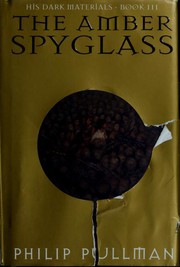
The Amber Spyglass
Lyra and Will cross worlds with amber spyglass to free ghosts and kill Authority.
2,252-word summary · 10 min read

Howl's Moving Castle
Cursed old by the Witch of the Waste, hatmaker Sophie Hatter talks her way into wizard Howl's moving castle and bargains with fire demon Calcifer to break the…
2,363-word summary · 11 min read

The Horse and His Boy
Shasta and Bree flee Calormen to Narnia with Aravis and Hwin.
2,594-word summary · 12 min read

The Blood of Olympus
Seven demigods stop Gaia waking while Reyna brings Athena statue.
2,196-word summary · 10 min read
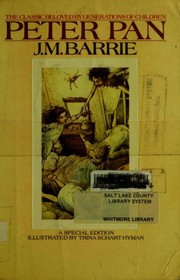
Peter Pan
Wendy, John and Michael fly to Neverland with Peter, face Hook, and learn what growing up costs.
2,502-word summary · 11 min read