
The Hate U Give
3,309-word summary 15 min read 444 pages in the book
- First published
- 2017
- Publisher
- Balzer + Bray
- Pages
- 444
- ISBN
- 9780062498533
Reading options
What's inside (8 sections)
I picked up The Hate U Give because everyone talks about the shooting, and I expected a courtroom book. What I got instead was a family book that happens to start with a traffic stop. Angie Thomas published it in 2017 with Balzer + Bray, and it runs 444 pages in the first hardcover edition, but it reads fast because Starr Carter talks the way a smart sixteen year old actually talks when she trusts you. This is a full retelling, ending included, because the point is what Starr decides to do after she watches her friend die.
Starr lives in Garden Heights, a mostly Black neighborhood in Mississippi where everybody knows whose cousin you are, and she goes to Williamson Prep, a mostly white private school in the suburbs where she is one of very few Black students. She has two versions of herself and she switches without thinking. Williamson Starr does not use slang, does not get angry in public, laughs at jokes she does not find funny so nobody calls her aggressive. Garden Heights Starr can be loud, can call out nonsense, can sit on the porch with her dad and argue about Prince versus Michael Jackson for an hour.
Her family is crowded and specific, which is why the book works. Maverick Carter, her father, used to run with the King Lords and did three years in prison, and now he owns the neighborhood grocery store and gives his kids what he calls the talk, only his version has two parts. One part is the birds and the bees. The other part is what to do if police stop you. Keep your hands visible. Do not argue. Lisa Carter, her mother, is a nurse who wants the family out of Garden Heights before something takes one of her kids. Seven Carter is seventeen, Maverick's oldest son with Iesha, and he lives between two houses and protects everybody younger than him. Sekani is eight, funny, obsessed with cops and robbers games at the start, and Maverick's baby in the sense that Maverick still tries to keep the worst of the neighborhood off him. Then there is Uncle Carlos, Lisa's brother, a Black police officer who lives in the suburbs with his wife Pam. Starr and Seven spent a lot of time at Carlos and Pam's house growing up, and Carlos taught Starr how to shoot and also taught her how police are trained to talk to civilians, which matters later in a painful way.
Starr's other anchor is Natasha. When Starr was ten, Natasha, her best friend at the time, was killed in a drive by while the two girls were playing with water guns. Khalil Harris was there that day too. The three of them were linked after that. So when Starr runs into Khalil at Big D's spring break party, it is not random. She has not seen him in months. He looks tired. He is selling, or people say he is selling, and Starr does not ask for details because she is trying to have one normal night.
Two Starrs and a party at Big D's
The party scene tells you everything about the code switching before the plot forces the issue. Starr goes with Kenya, who is Seven's half sister through Iesha and one of Starr's oldest Garden Heights friends, even though Kenya can be blunt to the point of starting fights. Chris, Starr's white boyfriend from Williamson, is not there. Hailey and Maya, her two closest Williamson friends, are not there either. Starr is relieved about that, honestly, because mixing the groups means explaining jokes in both directions.
Hailey Grant is white, rich, and used to saying things other people have to clean up. Maya Yang is Asian American, quieter, often caught between laughing along and pulling back. Chris Reaves is white, kind, loves Starr, and has no idea how much he does not know. At Williamson, Starr lets Hailey get away with comments about fried chicken and jokes about Starr's neighborhood because calling it out means becoming the angry Black girl in the cafeteria. She hates herself a little for that silence, and Thomas does not excuse it.
At Big D's, shots go off. Not police shots. A fight turns into gunfire, the way it did when Natasha died. Starr freezes. Khalil grabs her hand and pulls her out. They end up in his grandmother's gray SUV, breathing hard, laughing because they are alive, catching up the way childhood friends do when they have missed each other. Khalil asks about school. Starr asks about his grandma, Ms. Rosalie, who raised him after his mother, Brenda, fell into addiction and his father was killed. Khalil mentions work, vague. Starr notices he looks older than seventeen. They turn up the music. Khalil brushes his hair at a red light. It feels like the book might settle into a reunion story.
Then headlights flash behind them.
The stop on the road home
Officer Brian Cruise pulls them over. White officer, badge number 115, polite at first in the way that still makes Starr's stomach drop. He asks Khalil for license and registration. Khalil asks why they were stopped. The officer tells him to keep his hands on the wheel. Maverick's talk runs through Starr's head in real time. She knows to keep her own hands up, palms out, fingers spread.
What happens next takes maybe a minute. Khalil gets out of the car when told to stay in, or steps out to check on Starr, depending on how you read his frustration, and Cruise pats him down and then walks back to his cruiser. Khalil leans into the driver's window to check on Starr and then opens the door to grab his hairbrush from the car. Starr remembers thinking it was stupid, a brush, he wanted to look presentable. Cruise shouts. Khalil turns with something dark in his hand. Cruise fires. Three shots. Khalil falls to the street.
Starr screams his name. Cruise points the gun at her, tells her to get on the ground, handcuffs her, leaves her with her cheek on the asphalt while Khalil bleeds a few feet away. Other officers arrive. An ambulance takes too long in Starr's memory. Khalil Harris dies that night. The brush rolls under the car.
I want to pause on how Thomas writes this, because she does not make it cinematic. There is no slow motion speech. Starr vomits. She cannot remember if she said Khalil's name out loud or only in her head. She notices stupid details, like the way the streetlight hits the officer's shoes. When Uncle Carlos later asks her to walk through it again, she gets angry at herself for remembering the shoes instead of the exact order of the shouting. That felt true to me. Memory under fear keeps the wrong things.
The police take Starr to the station with her parents. Detectives ask questions that sound like they are building a case against Khalil, not against the shooting. Was Khalil selling drugs. Did he have a gun. Did Starr see a gun. Maverick interrupts when the questions tilt. Lisa holds Starr's hand hard enough to hurt. Uncle Carlos stands in the corner in his uniform, and Starr cannot look at him, because he is both her uncle who taught her to ride a bike and a cop, and she does not know how to hold both facts at once.
Garden Heights after Khalil
Garden Heights grieves in layers. Ms. Rosalie sits on her porch and tells reporters Khalil was a good boy who got lost trying to help his family. Brenda, Khalil's mother, is too sick and too ashamed to speak at first. Mr. Lewis, who runs the barbershop next to Maverick's store, says what a lot of older men say, that Khalil should have just complied, and Maverick argues with him in front of customers because compliance does not explain three bullets.
Then the story goes national. News channels run a photo of Khalil holding cash and flashing what they call gang signs. They say possible drug dealer. Possible gang member. They say the officer feared for his life. They do not say Khalil was unarmed until paragraph six. Starr watches this from her bedroom and recognizes the move. If Khalil was a thug, then his death makes sense, and nobody has to sit with the brush.
King, who runs the King Lords in Garden Heights, moves fast too. King is Iesha's husband, Kenya's father, and the man Maverick broke away from years ago. He tells people Khalil owed him money. He tells Starr's family, without quite saying it, that Starr should keep her mouth shut, because Khalil's dealing implicates King's operation and because a witness brings police attention King does not want. When DeVante, a teenage King Lord trying to get out, needs a place to hide after King beats him for stealing to pay his own way out, Maverick hides him in the back of the store and later in the Carter house. That decision puts a target on all of them.
Maverick and Lisa fight about whether to send Starr to talk to the police again, to talk to a lawyer, to talk at all. Maverick wants Starr to speak because silence never protected anybody in Garden Heights. Lisa wants Starr safe, and safe means anonymous, and anonymous means letting someone else be the face of this. Seven tries to mediate and mostly fails. Sekani asks if the police are the good guys, and nobody gives him a clean answer, which tells you where the book lives.
Starr goes back to school because Lisa insists normal life will protect her. It does the opposite.
Williamson Prep gets harder to fake
Williamson is where the book gets uncomfortable in a different way. Hailey starts reposting things about Khalil deserving it. She says the officer should go home to his family. She unfollows Starr's Tumblr after Starr posts a photo of Emmett Till and asks why people only cry over dead Black kids in history books. In the cafeteria, Hailey says Khalil was a drug dealer as if that settles whether he should be alive. Maya looks down. Chris looks at Starr, waiting for a cue Starr does not want to give in front of everyone.
Chris is trying. He asks Starr why she never told him she was in the car. He asks if he can come to Garden Heights. He meets Maverick, who grills him the way dads do, and meets Seven, who likes him more than he expected. But Chris also says things like he does not see color, and Starr has to explain that not seeing her Blackness means not seeing her. Their best scene is small. They are in his car, and he asks what he should have done at lunch when Hailey talked. Starr says he should have said something. He says he froze. She believes him and is still mad. Both things fit.
Maya gets more room than I expected. She tells Starr her own family deals with slurs and silence, and she admits she laughed at Hailey's jokes because she wanted to stay safe too. It does not fix anything, but it breaks the idea that Williamson is just Hailey plus background extras. Ms. Avery, one of Starr's teachers, gives Starr space to write about the shooting for a class assignment, and that essay becomes a first draft of Starr finding words outside her head.
At home, Uncle Carlos tries to explain police procedure. He says Cruise made mistakes, leaving Starr cuffed, shouting instead of controlling the scene, but he also says officers make split second decisions and Khalil reaching into a car looks like reaching for a weapon. Starr hears the second part as betrayal. Carlos hears Starr's silence as judgment of every cop, including him. They sit in his living room with Pam bringing food nobody eats, and the love is obvious and so is the gap. Carlos later does something that matters. He tells Starr the truth about Natasha's killer going free and about how many cases go nowhere, and he tells his fellow officers when they cross a line at a protest. He does not stop being a cop. He does not become a hero either. He stays in the middle and tries to move it.
The interview, the grand jury, and DeVante in the back room
April Ofrah, a lawyer with a group called Just Us for Justice, contacts the family. She is loud, strategic, and Black in a way Williamson never taught Starr to be. She tells Starr that respectability will not save Khalil's memory, only truth told clearly will. She preps Starr for a TV interview with her identity hidden at first, voice altered, face in shadow. Starr throws up before the cameras roll.
The interview is the center of the book. Starr describes the stop, the brush, the handcuffs, the way Cruise would not let her hold Khalil's hand. She says Khalil sold drugs because his mother stole from King and Khalil tried to pay the debt to protect his grandma from eviction. She says selling drugs did not give Cruise the right to kill him. The next day at school, Hailey says the witness is lying for attention. Starr almost laughs because Hailey does not know she is talking about the girl across the table.
After the interview airs, Starr agrees to meet with the district attorney and later to testify before a grand jury. Detective Gomez questions her gently and then sharply. Did Khalil seem threatening. Did Cruise identify himself. Did Starr see the brush clearly. Starr learns that telling the truth still means choosing which details to stress, because lawyers on both sides will use her words to build opposite stories.
DeVante's presence raises the stakes while Starr waits. He is fifteen, skinny, scared of King in a way that makes Seven furious on his behalf. Maverick and Lisa feed him, give him work in the store, tell him King Lords for life is a lie King tells kids to keep soldiers. When King finds out where DeVante is, he shows up at the store with his boys, threatens Maverick in front of Sekani, and later has Iesha pressure Seven to stay loyal. Seven has to choose between his mother Iesha, who stays with King because she is afraid to leave, and his father Maverick, who left that life and pays for it every day. Seven chooses Maverick's house, and Iesha slaps him, and Kenya watches, and nobody wins.
The grand jury decides not to indict Officer Cruise. Starr hears it on the news with her family around her. Lisa cries. Maverick turns the TV off. Sekani asks what it means. Seven punches a wall. Starr feels like she failed Khalil, even though April tells her the system failed long before Starr got in the room.
That night Garden Heights burns a little. Protesters march. Some break windows. Police in riot gear line the street near Maverick's store. Mr. Lewis defends the store with a shotgun. King uses the chaos to settle scores and sets fire to Maverick's store with DeVante inside, or has one of his people do it, because taking Maverick's livelihood is how you punish defection. Starr, Seven, and Chris pull DeVante out. The store survives partly, but the message lands.
Saying it loud and what it costs
Starr stops hiding after the grand jury. She goes to the protest with her family, takes the megaphone when a police officer points a gun at Sekani during a standoff, and says her name on live TV. My name is Starr. I'm the witness. She lists facts. Khalil lived. He laughed. He sold drugs because he was trying to save his family. He was unarmed. She says the hate they give comes back, the way Tupac meant when he got THUG LIFE tattooed, The Hate U Give Little Infants Fucks Everybody. Maverick taught his kids that line when they were small, and Starr finally understands it as more than a rap lyric. What you feed kids, fear, contempt, neglect, grows up and returns.
The final confrontation is messy on purpose. King shows up during the protest chaos, threatens Starr and Seven, puts a gun to them near the store. Sekani, who took Maverick's gun from the house because he wanted to protect his brother, points it at King with shaking hands. Police arrive and point their guns at Sekani, a child with a gun, and Starr steps in front of him, hands up, shouting that he is a kid, shouting her witness name again, begging both sides not to shoot. Uncle Carlos pushes through the police line and talks Sekani down. King gets arrested, not for Khalil, but for beating Iesha and threatening the kids in front of witnesses. It is justice adjacent, not justice. Thomas knows the difference.
In the last chapters the Carters move in with Carlos and Pam for a while because Garden Heights is not safe with King still able to reach people from jail. Maverick decides to reopen the store because leaving means King wins the block. Lisa agrees to stay for now but keeps looking at houses outside the neighborhood. Seven gets into college and plans to take Kenya's little sister Lyric with him when he visits Iesha less. DeVante testifies about King and starts over. Chris shows up, protests with Starr, meets the whole loud family and stays. Hailey and Starr end it. Not with a big speech, but with Starr blocking her and feeling sad and relieved at once. Maya stays, changed, still learning.
What sticks with me is not the protest. It is Maverick planting his garden in the yard after the fire, telling Sekani that growing things is the opposite of what King does. And Starr Code switching less, letting Williamson hear Garden Heights in her voice, letting Garden Heights see her fear instead of performing toughness.
Fair criticism belongs here too. Hailey is too flat for most of the book. She exists to say the racist thing so Starr can react, and her turn from friend to lost cause happens fast. Maya gets one good scene and then fades. Some of Maverick's speeches sound like they were written to be quoted in classrooms, especially the Tupac explanation and the talk about Black Jesus, and Starr sometimes repeats them back whole instead of breaking them into her own words. The middle sags when school scenes repeat the same cafeteria tension three times. And DeVante landing in Starr's house is convenient. Garden Heights is big, yet everyone who matters ends up under Maverick's roof so Thomas can stage confrontations without driving across town.
Still, the conveniences serve a clear purpose. By putting DeVante, Seven, Sekani, and Starr in one kitchen, Thomas shows how gang pressure, police pressure, and media pressure hit the same dinner table. And Starr's voice carries the parts that could feel staged. She is funny about her dad's Fresh Prince obsession, honest about being scared to testify, angry without performing anger for white readers. When she finally shouts on Cedar Grove Street with tear gas in the air, it lands because she spent 300 pages trying not to shout.
If you want a book that tells you exactly what to think about policing, this will frustrate you. Thomas names the officer, shows his fear, shows Carlos defending parts of police work, shows Starr loving a cop and fearing cops at the same time. If you want a story about a girl learning when silence protects you and when it just protects other people, stay for the whole thing. Start with the party. Stay for the kitchen arguments. The shooting is three pages. The aftermath is the book.
FAQ
Who shot Khalil in The Hate U Give?
Officer Brian Cruise, a white officer who pulls Khalil over after Big D's party and shoots him when Khalil reaches for a hairbrush. Starr is in the passenger seat and sees it happen.
Is The Hate U Give part of a series?
No. It was published as a standalone in 2017 by Balzer + Bray. Angie Thomas later wrote Concrete Rose, a prequel about a young Maverick, but Starr's story completes in this book.
What does THUG LIFE mean in the book?
Maverick explains it the way Tupac meant it: The Hate U Give Little Infants Fucks Everybody. Starr returns to that line when she decides what her voice is for.
Similar books
More like The Hate U Give →
Better than the Movies
A rom com obsessed senior hires her annoying next door neighbor to win her crush, then finds real love is messier and kinder than any movie plot.
2,438-word summary · 11 min read

Anna and the French Kiss
Anna Oliphant is sent to Paris boarding school and falls for Etienne while misreading Bridget and Matt.
3,262-word summary · 14 min read

Turtles All the Way Down
Aza Holmes lives with intrusive thoughts while chasing a missing billionaire with Daisy.
2,007-word summary · 9 min read

Such a Fun Age
A late-night grocery store clash pulls sitter Emira Tucker and her employer Alix Chamberlain into a tense fight over race, money, and good intentions.
2,339-word summary · 10 min read

Speak
After calling police at a party, ninth grader Melinda stops speaking until art helps her tell.
2,073-word summary · 9 min read
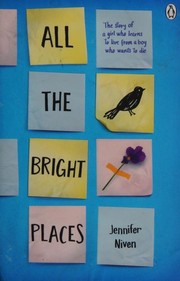
All the Bright Places
Grieving Violet and struggling Finch wander Indiana for a school project and each other.
2,208-word summary · 10 min read