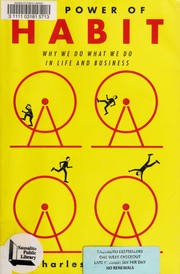
The Power of Habit
2,207-word summary 10 min read 371 pages in the book
- First published
- 2012
- Publisher
- Random House
- Pages
- 371
- ISBN
- 9781400069286
Reading options
What's inside (6 sections)
I read The Power of Habit on a week when I kept missing morning runs and wanted a book to blame. Charles Duhigg published it in 2012 with Random House, in a 371-page first edition with ISBN 9781400069286. He is a reporter, not a guru, and the book reads like it. Labs, factories, hospitals, stadiums. A toothpaste adman, a football coach, a civil rights organizer. The claim is simple. Habits run on a loop of cue, routine, and reward. Once the loop locks, your brain coasts. Change the middle while keeping the ends, and behavior shifts without heroic will. I tested pieces while reading, with mixed results that taught me more than pure success would have.
Duhigg opens with Eugene, a man who lost memory to illness and still learns habits. Eugene cannot recall rooms or names, but he walks routes, cooks bacon, follows cues. Researchers show his basal ganglia files patterns while other memory fails. That story sets the frame. Habits are brain savings. You cannot think through every turn, so you chunk. Chunking frees mind for new work and traps you in old loops. The rest of the book asks how to keep savings without keeping ruts.
The loop gets its classic demo through Pepsodent. Early in the twentieth century few Americans brushed daily. An adman named Hopkins did not sell health. He sold tingle and film. His ads told people to run tongues over teeth, feel film, brush to remove it, enjoy the mint reward. Sales climbed for years. The lesson Duhigg draws is not brush more. It is that effective loops need a clear cue and a craved reward. Tooth film as cue. Mint tingle as reward. The paste in between almost secondary. I checked my own shelf while reading. Mint still wins there. The loop outlived the man.
Febreze gets the business version. Procter and Gamble had a great odor killer no one bought because bad smells fade from notice. People with cats stopped smelling cats. No cue, no purchase. Marketers reframed Febreze as the reward at the end of cleaning. Spray after a tidy room. Fresh scent means done. Sales rose. Duhigg is admiring but not starry. He notes companies learn your loops to sell, which should make readers pause. Target's pregnancy scores, which predict due dates from lotion and vitamin buys, get a careful chapter. Useful for stores. Creepy for shoppers. The book lets both sit.
Keystones, willpower, and teams
Keystone habits are the hopeful center. Some habits spill into others. Exercise leads to better sleep and food. Food logs lead to budget care. Making beds leads to tidier rooms. Duhigg follows Alcoa under Paul O'Neill, who chose worker safety as the keystone. By chasing zero injuries, Alcoa fixed communication, maintenance, and process. Profits followed safety rather than preceding it. I liked this chapter best because it avoids self-help cheer. O'Neill did not tell workers to dream. He changed reporting rules and meeting habits. Systems first. Mood after.
Starbucks gets the willpower chapter. The company teaches baristas routines for rude customers, long lines, spills. If a patron shouts, use this script. If the till jams, call this way. New hires rehearse until responses run without thought. Duhigg links this to research on willpower as a muscle that tires and grows. Kids who practice small discipline handle bigger tests later. Adults who plan for hard moments do better than those who rely on resolve in the moment. I tried a version at work. Wrote two lines for handling email piles after lunch. It worked three days out of five, which is better than my usual zero.
Football gives the organizational version. Tony Dungy takes losing teams and installs simple routines until players react without thinking. A formation means these three moves. Practice repeats them past boredom. Games then test whether loops hold under stress. One Super Bowl run shows both power and limit. When opponents learn your cues, loops break. Dungy adjusts by adding options without adding thought. Duhigg writes sports clearly enough for nonfans. I skip games on TV and still followed every snap. The point travels. Teams, like people, need loops simple enough to survive noise.
The middle sags a little here. Chapters on willpower and teams overlap. Stories of trauma, discipline, and corporate training blur. I mixed up two executives and had to flip back. Duhigg also leans on studies that later drew questions. The famous marshmallow and ego depletion work has faced replication doubts since 2012. The book does not know that future, but a new reader should. Take the direction as sound, craving and routine shape acts, and treat single study claims as hints rather than laws. The author's note in later editions admits some updates. Read it.
Movements and morals
The civil rights chapters lift the book from manual to history. Duhigg traces the Montgomery bus boycott through habits of community. Rosa Parks was not a tired seamstress by chance. She was a trained organizer with ties. Boycott leaders used existing church and social loops. Meetings at usual times. Rides in usual cars. New routines plugged into old cues. When pressure rose, those ties held where slogans alone would have snapped. Martin Luther King Jr appears as a young preacher learning to lead a movement already moving. I found this respectful rather than reductive. Habits explain how courage spreads. They do not replace courage.
A hospital and a riot show the shadow side. A hospital with poor handoff habits harms patients despite skilled doctors. A riot in London grows through cues of crowd and police moves. Duhigg does not claim loops excuse acts. He asks where responsibility sits when brains run on auto. The legal chapter on a gambler who says habit drove crime tests this hard. Courts, like the rest of us, want bright lines. The book suggests a plainer rule. You are responsible for watching your loops once you see them. Awareness creates duty. I argued with this on a walk and still argue. It feels right and incomplete, which is probably honest.
Duhigg closes with method. Find the routine. Test rewards. Isolate the cue. It could be time, place, people, emotion, preceding act. Make a plan for the cue. Write if then lines. If I finish lunch, I will walk ten minutes. If a meeting ends late, I will breathe before replying. Keep the reward. Change the middle. Track for weeks, not days. Tell one person. That last step sounds soft and matters most. Social loops beat solo vows. My running improved when I told a neighbor I would meet him. Shame and company carried what resolve could not.
Fair criticism belongs. The book sometimes stretches business anecdotes to fit the loop. Every story gets cue, routine, reward even when other forces, money, fear, faith, matter more. The Target chapter thrills and worries without settling whether prediction helps shoppers. The writing repeats phrases. Loop, craving, keystone appear until they blur. Readers who want steps may find too much story and too few worksheets. Readers who want science may find stories smoother than data. I wanted ten fewer pages on ads and ten more on how Duhigg changed his own habits and failed. The author stays mostly offstage. A little skin in the game would help.
Who should read it. Anyone stuck on a specific loop, snacks at night, phones in bed, email spirals, will find tools without scolding. Managers trying to shift safety, service, or handoffs will find cases to copy. Skeptics of self-help will tolerate the reporting tone. Avoid it if you need deep neuroscience. This is popular science, clear and quick, not a textbook. Pair it with James Clear's Atomic Habits for smaller steps, or with Kahneman for biases that feed cues. Duhigg explains the engine. Others tune parts.
What I kept. A card on my desk now reads cue, routine, reward with my three loops listed. Morning coffee means news scroll means groggy. I changed the middle to walk first, coffee after, same light and mug as reward. It holds most days. Evening couch means chips means salt crash. I changed chips to apples and tea, kept couch and show. That holds half the time, which still beats before. Small wins, tracked plainly. The book did not remake me. It gave me better questions when I slip. What cued this. What did I want. What else gives that. Those questions, asked kindly, move more than shame ever did.
My month testing loops
I ran three tests while reading and report them plainly because mixed results teach. Morning scroll was loop one. Cue was coffee light plus phone buzz. Routine was news and sports for forty minutes. Reward was waking up without effort. I changed the middle to walk first, coffee after, same mug and window as reward. Week one held five days out of seven. Week two held four. Rain broke it twice. I learned cues include weather, which the book notes and I ignored. Adding a rain plan, stretch indoors with radio, saved week three. Small, boring, effective. That is the book in one line.
Evening snacks were loop two. Cue was couch plus show credits. Routine was chips to salt crash. Reward was crunch and company. I swapped chips for apples and tea, kept couch and show. It held half the time. The other half I ate chips and felt the crash the book predicts. What helped was not resolve but shopping. No chips in the house beats will at 10 p.m. Duhigg says design beats discipline and he is right. My best habit change was a grocery list, not a mindset. Unsexy wins count double because they repeat without applause.
Email triage was loop three and the clearest win. Cue was lunch end plus inbox badge. Routine was spiral through every thread. Reward was false closure. I wrote two lines on a card. If lunch ends, I will open only flagged threads for ten minutes, then walk. If a note angers me, I will draft and send after a lap. That held most days because the plan named the hard moment in advance. Duhigg calls these implementation intentions and cites studies where they beat vows. My sample of one agrees. Plans for trouble beat hopes for calm.
Failures taught as much. I tried to fix late-night phone use with a charger outside the bedroom. Lasted two nights, then work travel broke it. I tried journaling as a keystone and quit in six days. Too much friction, notebook too far, pen missing. The book warns that new routines need easy cues and quick rewards. I made mine hard and distant, then blamed mood. Rereading the keystone chapter, I saw my error plainly. Pick small, pick close, pick daily. A two minute log by the coffee beats a twenty minute journal in a drawer. I switched and the small log stuck.
Appendix, notes, and limits
Later editions add notes on replication and method worth reading before you preach the book. The willpower-as-muscle work drew questions in the 2010s. Effects shrank in retests. The book's direction still helps, plans beat raw resolve, sleep and food shape control, but treat single lab claims as hints. Duhigg's appendix in printings after 2014 flags some updates and suggests tracking your own data. Do that. Your loops are the only sample that matters for your life. A habit book should make you experiment, not memorize.
The business stories need the same caution. Pepsodent's rise involved ads, distribution, and dentists, not loop alone. Febreze needed shelf space and scent labs. Alcoa's safety drive worked with a leader willing to fire those who hid injuries. Loops explain part of each win. Power, money, and timing explain the rest. Duhigg mostly admits this in asides. Readers in a hurry miss the asides and leave thinking cues fix firms. They help. They do not replace budgets, staffing, or trust. A manager who copies scripts without fixing shifts will learn that fast on a Monday.
For teams, steal the practical bits. Write handoff checklists. Name cues for escalation. If a patient crashes, who calls what. If a line stops, who fixes first. Rehearse rude-customer lines until they run without thought. Review near misses weekly. Reward reporting bad news fast. Those moves come straight from the hospital and factory chapters and survive outside them. Skip the grand claim that culture changes by slogan. Culture changes when daily loops change and managers track them in public. O'Neill published injury numbers. Starbucks drills scripts. Visibility plus repetition moves groups where speeches fade.
A final note on morals. The book shows companies can shape loops at scale, Target predicting pregnancy, casinos keeping players seated, apps feeding scroll. Duhigg reports with a reporter's even tone. Some readers want stronger judgment. I wanted one more chapter on opting out. How to spot engineered cues, remove apps, set friction, tell friends. The tools are in the book if you flip them. Find the cue they use. Change your routine. Keep your own reward. Unsubscribe as habit change. Delete as design. Tell one person so the new loop holds. The science serves both sellers and citizens. Choose which side your week serves.
FAQ
When was The Power of Habit published?
It was published in 2012 by Random House in a 371-page first edition. A paperback with more notes followed in 2014.
What is the habit loop?
A signal that starts it, the acts you run, and the payoff your brain files away. Change the middle while keeping cue and reward and the loop shifts.
Is it part of a series?
No. It stands alone, though Duhigg's Smarter Faster Better continues his work on productivity and teams.
Similar books
More like The Power of Habit →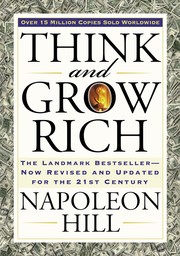
Think and Grow Rich
Hill teaches desire, faith and autosuggestion, distilling lessons from Carnegie interviews into thirteen principles for success.
2,458-word summary · 11 min read

The Subtle Art of Not Giving a F*ck
Blogger Mark Manson argues for fewer cares held better, through suffering, values, failure and saying no, with raw stories.
2,020-word summary · 9 min read

Maybe You Should Talk to Someone
Therapist Lori Gottlieb counsels John, Julie and Rita while seeing her own therapist Wendell after a breakup.
2,234-word summary · 10 min read

Who Moved My Cheese?
A tiny parable about two mice and two little people hunting cheese in a maze, and why adapting to change beats waiting for old days to return.
2,533-word summary · 11 min read

Quiet
Cain traces the Extrovert Ideal from Harvard Business School to open offices and defends the power of quiet.
2,898-word summary · 13 min read

The Tipping Point: How Little Things Can Make a Big Difference
How tiny shifts push ideas and products past a tipping point into epidemics.
2,014-word summary · 9 min read