
Vampire Academy
2,047-word summary 9 min read 352 pages in the book
- First published
- 2007
- Publisher
- Razorbill
- Pages
- 352
- ISBN
- 9781595141743
- Series
- Vampire Academy (#1)
Reading options
What's inside (5 sections)
I read Vampire Academy because I wanted to see why it lasted past the vampire boom. Richelle Mead published it with Razorbill in 2007, a 352 page young adult novel that opens the Vampire Academy series. Rose Hathaway is seventeen, dhampir, loud, loyal, training to be a guardian. Lissa Dragomir is Moroi, royal, quiet, her best friend. After two years on the run, they are dragged back to St. Vladimir's Academy in Montana. Someone wants Lissa dead or broken. Rose has to learn fast enough to stop it while failing math and falling for her instructor.
The world rules are clear and fun. Moroi are living vampires who wield elemental magic, need blood from willing donors, avoid too much sun, run society by bloodlines. Dhampir are half human, half Moroi, strong, fast, trained as guardians to protect Moroi. Strigoi are undead vampires, killed or turned, strong, cruel, hunting. Mead explains through action rather than info dumps. Rose shows you feeding rooms, wards, drills. You learn by walking the school.
Rose narrates in first person, funny and defensive. She loves Lissa completely. They share a psychic bond after a car crash that killed Lissa's family, letting Rose feel Lissa's emotions and sometimes see through her eyes. Rose calls it a side effect. It is useful and invasive. She uses it to watch Lissa in class while she naps in hers. Teachers notice. Readers will too. Rose is bright but unfocused, brave but reckless, the kind of narrator teens either love or want to shake.
Lissa is more than a prize to guard. She specializes in spirit, a rare element tied to healing and mind, feared because users can slip into darkness. She cuts herself to cope. She wants to be normal, date, have friends, not be the last Dragomir. Her grief for her family sits under everything. Mead treats her depression and self harm with relative care for 2007, showing friends noticing, adults intervening imperfectly, magic as metaphor but not cure.
Back to St. Vladimir's
The return stings. They fled for reasons that unfold slowly. Now they face gossip, punishment, tests. Headmistress Kirova is stern. Guardian Alberta is fair and tough. Classmates remember Rose as wild and Lissa as tragic. Queen Tatiana watches from afar. Christian Ozera, royal but shunned because his parents turned Strigoi willingly, pursues Lissa with dry wit. Mia Rinaldi, non royal, bullies Lissa from jealousy and hurt. Jesse and Ralf are rich boys who use. It is high school with fangs and titles.
Rose is put on remedial training with Dimitri Belikov, a Russian guardian, twenty four, calm, skilled, famous for kills. He is everything Rose is not. Disciplined. Quiet. Patient. He runs her until she vomits, then runs her more. He corrects stance with light touches that linger a second too long. Their chemistry builds through work. He praises her instincts. She makes him laugh. Both know it is forbidden. Guardians do not date Moroi, let alone trainees with mentors, but feelings ignore rules.
I liked the training chapters best. Mead writes fights with clear beats. Foot sweeps. Stakes. Wards. Rose learns to protect without showing off. Dimitri teaches her to think like Strigoi, to use environment, to guard a principal who will not stay put. One drill in the gym where Rose finally lands a hit and Dimitri smiles fully is great. You see why she falls. He respects her without softening standards.
School politics press parallel to training. Lissa struggles socially. Someone leaves dead animals in her room. Someone spreads rumors about her feeding, her brother, her bond with Rose. Christian offers alliance and romance. He is sardonic, burned, kind underneath. Their scenes are sweet. He brings her blood when she is low. He defends her with jokes. Lissa, starved for normal affection, leans in. Rose worries Christian distracts from safety while also seeing he steadies Lissa. That tension feels true to guarding someone you love. You want them happy and safe, and those fight.
Mia's bullying escalates from mean girls to cruel. Mead gives Mia a reason without excusing. Mia's parents are non royal workers. She hates the hierarchy. She targets Lissa as symbol, then learns cost. Rose retaliates with pranks and fists, earning detention. Dimitri disapproves of revenge but understands impulse. Their talks about discipline versus heart give the book spine. Rose must learn when to hit and when to stand.
Spirit, bond, and secrets
The bond lets Mead show Lissa's private moments through Rose. Lissa heals a bird, then a person, feeling euphoria then crash. Rose feels the high and the drop. Spirit users can heal, compel, see dead, but slide toward instability. Old records warn. Teachers whisper. Lissa hides use because she fears being labeled mad. Rose covers, lying to adults she respects. Their secret strains friendship even as it proves loyalty.
Mead handles self harm with care for the era. Lissa cuts to release pressure after using spirit. Rose finds marks and panics. They fight. Lissa promises to stop and cannot always. An adult counselor gets involved, imperfectly helpful. No magic fix. The book does not romanticize. It shows scars, shame, and slow coping. Modern readers may want more support on page, but for 2007 mainstream YA, it was ahead in naming.
Victor Dashkov enters as a charming older royal, dying, kind to Rose and Lissa. He offers protection, listens, seems to understand spirit. His niece Natalie is shy and eager. Victor's illness makes him sympathetic. He coughs, leans on canes, speaks softly about change. Rose likes him. Lissa trusts him. Readers should watch hands and timing. Mead plants small wrongness. A question too sharp. A guard too close. A gift too convenient.
Subplots fill school life. Feeding ethics. Rose considers becoming a blood donor's favorite versus a guardian's path. Donors, called feeders, live in cabins, give willingly, get thrills. Some guardians look down on them. Rose judges, then learns. A feeder named Mia? No, others show kindness. Mead uses this to discuss consent and class without preaching. Blood is both food and power.
Dimitri's past surfaces in pieces. He came from Siberia, family poor, chose guardianship for honor. He killed Strigoi he knew. He prays. He writes letters he does not send. Rose teases his seriousness. He teases her American slang. Their age gap is real. He is twenty four, she is seventeen. Mead keeps their relationship mostly to longing and one line crossed late, with Dimitri pulling back citing duty. Readers sensitive to gaps should know. The book frames it as forbidden and problematic, not ideal, though chemistry is clearly meant to entice. Later books age Rose up and revisit.
Who hunts Lissa
The mystery tightens in the last third. Attacks move from pranks to magic. Wards break. A fox dies. Lissa is lured. Rose uses bond to track, breaking rules to save. Dimitri believes her when others doubt, showing trust earned through training. Christian helps with fire. Alberta organizes. The school locks down. Strigoi rumors swirl, but the truth is closer and more human.
I will keep the reveal general. The person behind the harassment wants Lissa's power, not just her death, and uses others as tools, including a student pressed by family. The finale runs through woods, caves, and chapels, with guardians fighting, teens disobeying smartly, and Rose choosing Lissa over orders. Mead stages it well. Stakes are physical. You can follow who is where. Rose gets hurt and keeps going, not invincible, just stubborn.
The resolution costs. Friendships shift. Mia faces consequences and a path to growth. Natalie pays a hard price. Victor's charm cracks fully. The school mourns and pretends normal. Rose is punished and praised at once, very school. Dimitri steps back, hurting both. Lissa chooses healing help more openly. Christian stays, proving worth beyond name. The last scene is not a kiss but a promise to train harder. I liked that. It honors the guardian story over romance.
A fair criticism is familiarity. Boarding school, mean girls, mentor crush, chosen royals. If you have read many YA paranormals, beats will feel known. Mead executes with voice and system, but does not reinvent. Some dialogue, especially early Rose snark, tries hard. A few slurs for Strigoi and class terms date. Pacing in the middle, with classes and dances, will test readers wanting horror. This is more school than scary for long stretches.
Another criticism is Rose as narrator. She judges other girls harshly, especially around sex and blood. She calls rivals easy, mocks feeders, then learns better. Growth is the point, but early pages can grate. Mead lets Rose be wrong and be told so, often by Dimitri or Lissa, which helps. Still, if you need a likable heroine from line one, Rose may annoy before she wins you.
I want to add more about Christian and Mia because they carry the school's social weight. Christian is introduced as pariah. His parents chose to become Strigoi, which in Moroi society reads as unforgivable betrayal. Students avoid him. Teachers watch him for signs. He answers with sarcasm that keeps people back. With Lissa he drops the act in stages. He brings her coffee when she studies late. He walks her back after dark without making it a claim. He uses fire magic with control that surprises. One scene where he lights candles in the chapel to calm her after a scare shows tenderness without words. His pursuit is respectful, which matters beside Rose's rougher romance. He asks, waits, accepts no.
Mia is harder to like at first and worth staying for. Non royal, ambitious, dating royals to climb, she targets Lissa with rumors about blood, boys, breakdowns. Her cruelty has a source. Her parents work service jobs at court. She has watched royals waste power while her family bows. She wants status to protect herself, not just shine. Rose humiliates her publicly more than once, which feels good in the moment and bad after. Later Mia's home truth about her own parents' pressure softens her without excusing. Mead sets up a longer arc where Mia learns to fight real threats rather than classmates. I appreciated that bullies here are not fixed evil. They are scared kids in a hierarchy that rewards shine.
The school itself deserves a note. St. Vladimir's runs on bells, wards, feeds, drills, dances. Morning chapel. Elemental classes where Moroi practice water, air, earth, fire with varying skill. Guardian drills where dhampir run, stake, guard. Feeding rooms where donors give willingly and some Moroi take too eagerly. The library where Rose sleeps. The gym where Dimitri corrects. The cabins where feeders live apart, a segregation Rose questions late. Mead builds this through routine, not tour. You learn feeding ethics because Rose argues with a feeder friend about choice. You learn ward magic because a teacher resets it after breach. Routine makes the strange normal, which is why the finale's break feels sharp.
Dimitri's faith and background add texture often skipped in summaries. He speaks Russian with his family by phone. He sends money home. He prays before meals quietly. He tells Rose about Siberian winters, about choosing guardianship when other paths paid better. He carries wooden beads. He does not preach. When Rose asks why he serves royals who look down on dhampir, he says duty is to people, not titles. That line guides his later choices. He will disobey a royal to save a student because people matter more than rank. For a 352 page book from 2007, that quiet ethic gives weight beyond crush.
Who should read it? YA fans who like training arcs, best friend bonds, and slow burn forbidden crushes. Readers who bounced off Twilight for passivity may prefer Rose, who acts. If you want adult horror or no school, skip. If age gaps bother even when flagged as wrong, note and choose.
I finished understanding the longevity. Not the vampires. The friendship. Rose would die for Lissa and Lissa would live differently because Rose demands it. That mutual shaping, plus a school that feels lived in, carries six books for a reason. I checked out Frostbite the next day, which tells you enough. Mead made me care about drills, dances, and duty. For a 352 page starter from 2007, that is strong craft, even when snark creaks.
FAQ
When was Vampire Academy published?
Razorbill published it on August 16, 2007. The paperback runs 352 pages and the ISBN is 9781595141743.
Who are the main characters?
Rose Hathaway, Lissa Dragomir, Dimitri Belikov, Christian Ozera and Victor Dashkov at St. Vladimir's.
Is it part of a series?
Yes, it is book one in the Vampire Academy series, followed by Frostbite.
Similar books
More like Vampire Academy →More from Vampire Academy first, then related titles.
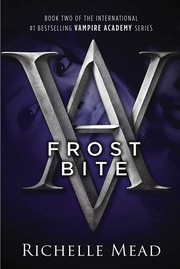
Frostbite
Rose guards royals at ski lodge as Strigoi hunt Moroi during break.
2,584-word summary · 11 min read

Shadow Kiss
Rose trains for field trials as Strigoi threaten and Mason dies haunting her.
2,386-word summary · 11 min read

The Raven Boys
Blue Sargent joins four Aglionby boys hunting a Welsh king on a Virginia ley line.
2,537-word summary · 11 min read

The Blood of Olympus
Seven demigods stop Gaia waking while Reyna brings Athena statue.
2,196-word summary · 10 min read

Marked
Zoey Redbird is Marked as a fledgling vampyre and sent to Tulsa's House of Night, where Goddess-gifted powers, new friends, and a corrupt queen bee test her…
2,101-word summary · 9 min read
