
All Your Perfects
2,072-word summary 9 min read 336 pages in the book
- First published
- 2018
- Publisher
- Atria Books
- Pages
- 336
- ISBN
- 9781501193323
Reading options
What's inside (2 sections)
I read All Your Perfects on a quiet Sunday and had to put it down twice to stare out the window, which Hoover fans will understand. Colleen Hoover published it with Atria Books on July 17, 2018, a 336 page romance with ISBN 9781501193323 about Quinn and Graham, a couple who meet cute, marry fast, and then face years of infertility that grind love down to bone. Hoover called it probably the saddest book she ever wrote. She is right. It is also one of her most honest about marriage, because it argues love is not feeling. It is choosing, apologizing, and staying in rooms where no one feels perfect.
The structure alternates Then and Now. Then chapters follow Quinn and Graham meeting when both are witnesses to other people's cheating? Actually they meet when Quinn's fiance is caught with Graham's girlfriend. Awkward, funny, fateful. They bond over betrayal, exchange numbers, fall fast. Graham is a carpenter with big hands and bigger devotion. Quinn is a writer? No, she works, dreams of family. Their courtship is sweet and physical. Love notes in lunch boxes. Perfect mornings. Hoover writes new love well. Banter, heat, promise. You root fast because they choose each other after being unchosen.
Now chapters show seven years later. Same house, quieter. Quinn cannot conceive. Tests, treatments, miscarriages? Losses pile. Sex becomes schedule. Touch becomes reminder of failure. Graham works longer. Quinn withdraws. They sleep back to back. They love each other still, which makes pain worse than if they had fallen out. Hoover captures infertility grief with care. Jealousy at baby showers. Rage at pregnant strangers. Shame at broken body. Graham's grief is quieter but real. He wants fatherhood and also wants Quinn happy, and cannot fix either. He starts keeping secrets to spare her, which spares nothing.
What makes the book stand out is focus on marriage after the wedding, not chase to altar. Most romances end at vows. This starts there and asks what happens when the plan fails. Quinn defines herself as future mother. Without that, who is she? Graham defines himself as Quinn's perfect husband. When he cannot make her smile, who is he? They both fail generously at first, then selfishly. Quinn pushes Graham away to punish herself. Graham seeks comfort in work and attention elsewhere without crossing lines at first, then near lines. Hoover does not make either villain. She makes them tired people making thin choices.
Quinn's voice in Now is raw and self lacerating. She counts days of cycle like prison marks. She avoids friends with kids. She snaps at her mother who means well and says wrong things. Try relaxing. Adopt. God's plan. Each line lands like slap because Quinn has heard them hundred times. She loves Graham but cannot stand his optimism some days. His hope feels like pressure. When he brings flowers after a failed treatment, she cries because kindness highlights lack. Hoover writes these contradictions without explaining too much. You feel them if you have waited for news that never comes.
Graham's chapters? Actually the book is mostly Quinn first person with letters from Graham? No, Hoover uses Quinn narration plus Graham's letters in a wooden box? Let me recall correctly. The novel includes Graham writing letters and hiding them, and Quinn finding them late. That device carries the back half. Graham writes what he cannot say. I love you even if no baby. I am sorry I looked at someone else for comfort. I am tired too. Those letters, read when Quinn is ready to hear, do more than any fight. They show love persisted under silence. I cried at the one about perfects. He kept a jar? Actually Quinn kept a jar of perfect moments? The title comes from collecting perfects, small good moments, to remember when imperfect overwhelms. That jar becomes symbol. Open when drowning.
Infertility details are handled with respect and realism for romance. Negative tests lined up. Shots that bruise. Doctors who are kind and clinical at once. Costs that strain. Friends who conceive easily and do not know what to say. Quinn quits writing? She works but joy drains. Graham builds boxes for a nursery that stays empty. That empty room is the book's haunted house. They avoid it, then use it for storage, then cannot enter. Hoover never makes the baby the only fix. Even if they conceived, marriage would still need repair. That wisdom lifts the book above issue novel. Wanting a child exposes cracks. It does not create all of them.
Family around them adds pressure and love. Quinn's sister? Her mother? Graham's parents? They host holidays, ask careful questions, offer to pay for treatments which helps and hurts. Money cannot buy baby but can buy attempts that fail expensively. One Thanksgiving scene where Quinn hides in bathroom while family toasts new pregnancies is painfully true. She loves her family and hates being in rooms where everyone grows except her. Graham stands outside the door, not knocking, giving space that feels like distance. Both do their best. Best is not enough some months.
The near infidelity thread needs care because Hoover walks a line. Graham, lonely and ashamed, accepts attention from a coworker? He does not sleep with her, but he lets flirtation linger longer than it should because being wanted feels like relief. Quinn senses and confronts. Is emotional leaning cheating? Hoover lets them argue without ruling cleanly. Graham admits wrong. Quinn admits she pushed him there by refusing touch for months. Both apologies matter. No one is excused. Both are understood. That nuance is why the book hurts helpfully. Marriage fails in inches, not just affairs.
Therapy appears, imperfectly helpful. A counselor asks what perfect means. Quinn says baby. Graham says Quinn smiling. Counselor suggests redefining. They resist, then try. Date nights without tracking. Touch without goal. Talking about grief instead of logistics. Some sessions help. Some end in car fights. Hoover does not present therapy as fix. She presents it as room where truth can be said with witness. When Quinn finally says she feels broken as a woman, Graham cries because he never knew how deep shame ran. He thought she knew he loved her regardless. She did not feel it through silence. Saying out loud changes air.
The wooden box of letters deserves a longer note because it is the book's heart device. Graham writes through years. Early notes are playful. Later ones are confessions. I am scared you will leave. I am scared I want to leave for an hour and then hate myself. I still choose you. Quinn finds the box when packing to leave? When cleaning? She reads all night. Each letter reframes a memory she kept as rejection. That night he worked late? He wrote about missing her while sanding wood for crib he could not finish. That trip he took? He drove around crying because he felt useless. Reading, Quinn understands Graham grieved alone to protect her, which protected no one. Letters do what talking could not because pride blocks faces but not paper.
The ending chooses hope without miracle. I will keep specifics light, but Hoover does not fix infertility with surprise pregnancy as easy answer? Actually there is ambiguity. The point is Quinn and Graham decide to stay and redefine family, whether through treatment, adoption, or childfree life together. They recommit with eyes open, after separation scare, after honest fights. The final perfect in the jar is ordinary. Morning coffee. Hand held. No baby required to count as perfect. That redefinition moved me more than any epilogue baby could. Love as practice, not prize.
Criticisms are fair. At 336 pages, middle Now chapters repeat cycle. Hope, test, fail, withdraw, fight, makeup. Repetition is point of infertility, but reading can tire. Some dialogue about fate and perfects circles. If you want fast plot, this is slow ache. Quinn's self blame can frustrate. She pushes Graham away for long stretches while narrating love, which some readers read as martyrdom. Hoover tries to show depression logic, not manipulation, mostly succeeds. Graham is almost too patient, working, writing letters, waiting. Real partners might leave sooner. His steadiness is romantic and slightly idealized.
Graham's carpentry needs a fuller note because wood carries his love language. He builds boxes, shelves, a crib he cannot finish. Sawdust on shirts. Hands rough when he touches Quinn's face gently. When words fail after failed treatments, he sands. The garage becomes his chapel. Quinn hears sawing at midnight and knows he is grieving in the only way that does not require talking. One scene where he shows Quinn a small box for perfects, fitted joints, no nails, made to hold notes, undid me. He made containment for joy while joy felt absent. That faith in future order, built with hands, contrasts Quinn's written grief. Both make things to hold what cannot be held. Wood and words. Same need.
Quinn's mother and sister add pressure worth naming. Her mother calls with baby news of others, meaning to share joy, landing as salt. Her sister offers to be surrogate? Offers opinions about adoption that sound simple from outside. Family gatherings become obstacle courses. Who is pregnant? Who will ask when are you trying? Quinn scripts answers in the car, then forgets them inside. Graham squeezes her knee under tables, a signal they practiced. We leave after cake. That teamwork, invisible to relatives, keeps them stitched. Hoover shows marriage surviving through small codes as much as grand vows. Squeeze means I see you drowning. Nod means me too. Stay means still.
The jar of perfects needs a closer look because Hoover uses it as therapy made visible. Early in marriage Quinn and Graham write good moments on scraps. Perfect coffee. Perfect slow dance in kitchen. Perfect storm watched from porch. They seal jar to open when imperfect overwhelms. After infertility, Quinn stops adding because each good feels mocking beside lack. Graham keeps adding secretly. Made you laugh today. Held your hand during test. Loved you while you cried. When Quinn finally reads his additions, years of quiet devotion surface. Small goods persisted while big want failed. That reframe does not fix grief but gives floor to stand. Collect small. Survive large. Hoover suggests happiness is attention, not achievement. I found that gentle and true beyond baby plots. Anyone can jar.
Friends with easy fertility add necessary sting worth naming. A best friend announces pregnancy at dinner Quinn hosts, glowing without knowing cost. Quinn smiles, serves cake, hides in pantry to breathe. Graham finds her, holds without fixing. Later the friend complains about morning sickness and catches herself, apologizing too much which hurts differently. How do you share joy that wounds? Hoover gives no etiquette guide. Avoid showers for a while. Send gifts by mail. Love from distance. Those boundaries are healthy, not bitter. When Quinn finally holds a friend's baby and feels love rather than only envy, progress shows. Healing is holding without breaking. That scene, brief and quiet, moved me more than any treatment update.
One more note on Then versus Now craft worth naming. Hoover writes Then in warm present rush, short scenes, quick touches. Now in longer, tired paragraphs with clocks. That formal shift teaches without explaining. Love young feels fast. Grief married feels slow. When Quinn rereads old notes in Now chapters, past tense invades present like ghost. A perfect morning described in Then returns as memory in Now with new ache. Same event, different light. That doubling rewards careful readers. Happiness remembered while unhappy feels both cruel and sustaining. Hold both, Hoover says. Then feeds Now if you let it.
Who should read it? Married readers, readers facing infertility who want to feel seen with care, Hoover fans ready for sadder, slower book than Verity or It Ends. If infertility trauma is fresh, pace carefully or wait. Descriptions of tests and loss are direct but not graphic. If you need light romance, pick Funny Story instead. This is for nights when you want to feel less alone in waiting rooms. Hoover's 2018 Atria novel with ISBN 9781501193323 does not promise perfects. It promises presence. Quinn and Graham learn to collect small goods while grieving big lack. That practice, jar filling with ordinary mornings, feels like enough to keep going. I closed it and texted my partner a small perfect from our day. Coffee shared without phones. It counted.
FAQ
When was All Your Perfects published?
Atria Books published it on July 17, 2018. The hardcover runs 336 pages and the ISBN is 9781501193323.
Who are the main characters?
Quinn and Graham, plus their families and a therapist, in Then and Now chapters.
Is it part of a series?
No, it stands alone as Hoover's sixteenth novel.
Similar books
More like All Your Perfects →
Regretting You
A mother and daughter grieve the same men differently after a crash, and secrets about paternity test them both.
2,182-word summary · 10 min read

Reminders of Him
Kenna returns after prison to meet the daughter she lost, facing the family that blames her.
2,168-word summary · 10 min read

Terms and Conditions
Declan must marry to inherit, so he offers his assistant a deal with rules.
2,695-word summary · 12 min read

Romancing Mister Bridgerton
Colin Bridgerton returns and discovers Penelope Featherington is Lady Whistledown.
2,388-word summary · 11 min read

After You
Lou grieves Will, falls from a roof, joins a group, and meets Sam and a surprise from Will's past.
2,031-word summary · 9 min read
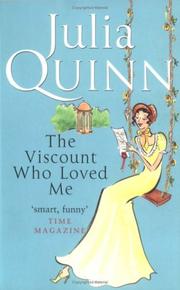
The Viscount Who Loved Me
Anthony Bridgerton vows to marry without love until Kate Sheffield challenges him at every turn.
2,666-word summary · 12 min read