
Romancing Mister Bridgerton
2,388-word summary 11 min read 384 pages in the book
- First published
- 2002
- Publisher
- Avon
- Pages
- 384
- ISBN
- 9780380820801
- Series
- Bridgerton (#4)
Reading options
What's inside (8 sections)
I picked this one up because Penelope had lingered at the edge of the first three books and I wanted her to get a full turn. Romancing Mister Bridgerton was published in 2002 by Avon, 384 pages in mass market with ISBN 9780380820805, written by Julia Quinn as book four in the Bridgerton series. It centers on Colin Bridgerton and Penelope Featherington and it settles the question of who Lady Whistledown is. I read it in two sittings and kept turning back to check where Quinn had hidden hints.
The shape is plain at first. Penelope has loved Colin for over a decade. Colin has treated Penelope as his sister's friend and little else. He returns from travel feeling restless. She decides she is finished pining. Then a secret about a gossip paper pulls them together and nearly splits them again. I expected a light courtship story. What I got was more about work and pride. Penelope hides a job. Colin wants one. Their fights come from that gap as much as from love.
Penelope is twenty eight as the book opens, unmarried in 1824 London and talked about as a spinster. She debuted in 1813, the same year Lady Whistledown's Society Papers first appeared. Early on Whistledown mocked one of her gowns in print, calling her overripe fruit in plainer terms. The cut stayed with her. She learned to stand near walls at balls, to keep her card thin, to listen. Watching became her habit.
She fell for Colin at sixteen through her friendship with Eloise. He spoke to her when others passed by. He danced with her once when no one else asked. She kept that night close for years. She tells herself the hope is finished. Then he smiles at her across a drawing room and her pulse jumps.
The wallflower and her family
The Featherington house grates. Portia Featherington leads it with loud views on dress and marriage. Her husband Archibald died years earlier and left money trouble. Portia answered it by pushing daughters toward weddings. Two older girls married. Penelope stayed home. Felicity, the youngest, gets easier praise. Penelope gets correction.
Portia dresses Penelope in yellow long after the color fails her. She tells her to smile and to eat less and to stop quoting books at table. She warns that clever puts men off. When Colin starts calling, Portia starts planning a wedding out loud, as if Penelope cannot manage a courtship herself. I found those scenes hard to read. The love is real and the control is real too.
That home explains why Penelope built a hidden life. She had scant privacy, so she made some on paper. She could not win a row with Portia. But from a corner she could catch a ball in two sharp sentences and have the town repeat them next day. The power steadied her. It also cut her off. She never told her mother. She never told Eloise, though Eloise was her closest friend.
Colin once hurt her without meaning to linger on it. He said in company that he would never court Penelope Featherington. She stood near enough to hear. She wept that night and vowed she was done with him. Vows like that rarely hold. When he comes back from Cyprus she finds she still watches the door for him, which makes her angry at herself. Quinn gets that mix right. Penelope is past girlhood, funny and loyal and quick, yet tender where Colin is concerned. Only Eloise and Lady Danbury seem to see her worth at first. Colin is slow, then starts to look closer.
The third son comes home
Colin is thirty three, third son, tall and green eyed and used to being called charming. He just returned from Cyprus after earlier trips abroad. His letters home are full of jokes about inns and rough roads. Violet reads them aloud at breakfast. Everyone laughs. No one asks what he plans to do next.
That emptiness gnaws at him on the voyage home. Anthony holds the estate. Benedict paints. Daphne is settled. Colin eats and dances and packs again. He dreads another season of introductions as the pleasant brother with no trade. He wants something that lasts past a toast.
Back in London everything looks small. Same balls. Same talk. Same Whistledown sheet naming him in the opening lines. He resents that paper. Some unseen writer shapes how the town sees him and he cannot answer back.
Eloise ties them together. She is Colin's younger sister and Penelope's best friend, quick tongued and restless under rules for clever girls. Colin loves her and spars with her. Through her he meets Penelope often. He begins to note small things. Penelope gets his jokes early. She asks about Cyprus as if she wants true detail, not a party tale. She plays and sings at a musical evening without show, and he feels moved from across the room.
They clear old slights after that night. He says he was a fool to speak of never courting her. She says she was a fool to love him so openly. They agree to be friends. He urges her to refuse spinster gloom, to travel or write or try something odd. He comes close to her truth without knowing it. She almost tells him, then holds back.
Eloise, Portia and Lady Danbury
Eloise carries much of the middle. In past seasons she laughed at Whistledown. Now out herself and described in its pages, she hates being watched by a hidden pen. She hunts for the writer with fierce energy. At one point Colin calls on Penelope to float a worry that Eloise herself might be Whistledown, since Eloise scribbles and fumes. Penelope must sit still while the two people she loves best guess wrong to her face. She defends Eloise and says nothing for herself. The cost shows.
Portia keeps pressing. Once she hears Colin calls, she orders fresh gowns and invites him to dinner. During one call she praises him so hard Penelope wants the floor to open. Colin stays polite, as raised, but he starts to record how little air Penelope gets at home.
Felicity eases those rooms. Younger and kinder than her married sisters, she likes Penelope plainly. She lends shawls. She covers absences without prying. The married sisters visit and treat Penelope as leftover, smiling while they do it.
Lady Danbury looms over both houses with cane and blunt praise. She likes Penelope and says so to her face. She also tires of Whistledown's sway and posts a reward of a thousand pounds for the writer's name. Every parlor fills with theories after that. Penelope hears the sum and goes cold. She had meant to stop quietly. Now any stop will look like flight.
Whistledown stops and Cressida claims her
Whistledown comes out three times a week, a single sheet that can lift a debut or sink it. Penelope began it at seventeen with cash from a kind kinswoman and aid from a printer who never learned her name. Drops went through church pews and back lanes. Pay came the same way. She learned to write short and bright, to mask her hand, to lock paper away. Early it felt like play and pocket money. Slowly it turned into craft. She loves a clean sentence. She loves catching a ballroom in forty words.
By 1824 she is weary. The reward makes each issue a risk. Eloise is stung by items about herself. Colin despises the sheet. So she prints a farewell and says she retires. She hopes for a soft exit. The town reacts with alarm. Then Cressida steps in.
Cressida Cowper, now widowed as Cressida Twombly, always scorned Penelope at school and in ballrooms. Short of funds, she tells Lady Danbury that she herself wrote Whistledown and asks for the thousand pounds. Lady Danbury doubts her and asks for proof in fresh copy. Cressida cannot mimic the voice, but the claim alone harms Penelope. If believed, Cressida steals ten years of night labor. If doubted, the hunt stays hot and sharper eyes may land on the true writer.
Penelope will not let the lie stand. She drafts one last column to refute Cressida and sets it for print through her old channel. She leaves home alone in a hired hack for St. Bride's church in the East End, where she long left envelopes tucked in a pew for her printer. Her hands shake on the ride. She knows a lady alone in a hack can be ruined by talk alone, apart from what she carries.
Colin had come to say sorry after a row over Eloise and over his travel journals. Penelope had urged him to publish them. He had waved it off from pride. Then he saw her slip out alone and climb into a hack. Alarmed, he had his carriage trail her at distance. He watched her enter the church and hide an envelope beneath a cushion. He lifted it and read. In a few lines he understood. Quiet Penelope was the pen all London feared.
A carriage, a proposal and a quarrel
He meets her with shock first, not tenderness. He feels tricked. He thinks of every jab at his name and sees her hand in it. She hears self pity where she hoped for care. They argue in low voices in the church, then louder once he draws her into his carriage for the return to Mayfair.
That ride forms the heart of the book. They spar over trust with knees almost touching. Anger tips toward want. They kiss, hard at first, then softer. Penelope pulls back, mindful of what a driver might repeat. Colin keeps close, saying he sees her at last. When the wheels stop at her house, he asks her to marry him.
She accepts and at once fears his motive. Does he ask from love or from honor after a kiss in a hired driver's hearing? He says he wants her. She half believes him. That doubt follows them through the betrothal. In private they are gentle. Each waits for proof from the other.
The proof wobbles at their engagement ball. Penelope's refuting column appears that night, denying Cressida. Colin feels betrayed, since she had agreed to stop. She had broken the pact to guard her work from theft. He sees choice of print over him. She sees a demand to burn ten years of labor for his ease. They quarrel after guests leave. He owns that he feels jealous. She has purpose and pay and readers. His manuscript sits unread. The admission stings them both.
They do not part. After talk cools they lie together for the first time, kindly and with clear assent. Quinn frames it as relief. Penelope weeps a little, not from regret but from long want and fear he might leave by dawn. He stays. They wed a week later, fast for their set, with both mothers fussing over veils and cakes.
Blackmail, a ball and being known
Marriage does not end the risk. Cressida works out the truth after the wedding and demands ten thousand pounds in a week or she will name Mrs. Colin Bridgerton as Whistledown. The sum dwarfs Penelope's savings. Pay would bleed them. Refuse would expose them. Cressida lost her bid for reward and now seeks pay for quiet.
To her credit Penelope tells Colin straight away. She does not scheme alone. He burns with anger at Cressida, then slides into guarding. He bids her stay home. He asks his mother and sisters to cling to her. He leaves to arrange some answer without naming it.
The Bridgerton women rally. Violet takes Penelope as daughter in truth, not form. Daphne sits with her through long afternoons. Eloise stays near, though she still lacks the full truth, which pains Penelope each hour.
At the ball Colin acts. He will not pay Cressida. He steps forward and tells the room himself. He praises his wife's nerve and wit. He names Penelope Featherington Bridgerton as Lady Whistledown and dares them to think less of her. Quiet holds, then applause breaks. Cressida flushes with rage. Her hold dies once the secret is owned aloud. Lady Danbury laughs as if she half guessed all along. Violet weeps. Eloise looks struck.
The hard part follows in private. Eloise feels cut that her best friend penned her for years and stayed mute. She speaks coldly. Penelope owns certain lines that hurt and will not grovel for the whole trade. She asks for time. Eloise grants it slowly. Their mend stays partial by the last page, which I thought right. Swift pardon would ring false after so long a cover.
Colin and Penelope must also settle writing inside marriage. He owns his jealousy of her readers while his Cyprus book sat idle. She owns her fear he would ask her to quit to soothe his pride. They agree she will write on, though Whistledown ends. In the close Quinn notes Colin's travel memoir goes to press with Penelope as editor, while Penelope starts a novel called The Wallflower. I smiled at that title. She signs her own story at last.
I must note faults. Colin ripens late. Through the first half he coasts on charm and gripes about Whistledown without shaping a path. After the wedding his jealousy lingers past patience. He frames her pay as a blow to his standing rather than a fact to meet. I grasped his shame at having no trade. I still wanted deeds sooner. Penelope hauls the plot while he learns.
The cover also runs long. Penelope has sound cause to hide, ruin and need and family shame. Yet she lets Cressida's false claim run, lets Eloise ache, lets Colin wed her half blind, to save a reveal for a ball. A hint to Eloise early would have eased later pain and kept pull. As printed, London's applause feels tidy. Real talk would have chewed for weeks. Still, I shut the book warm toward them. When Colin at last reads her pages with care and marks which lines sing, I trusted the match. He stopped seeing a wallflower and saw a writer who chose him. She stopped seeing a flawless crush and saw a man who must keep earning her.
FAQ
Is Romancing Mister Bridgerton part of a series?
Yes. It is book 4 in the Bridgerton series by Julia Quinn, published in 2002 by Avon, following Benedict's story.
Who is Lady Whistledown in this book?
Penelope Featherington. She wrote the society sheet for years and Colin finds her out after Cressida Twombly falsely claims the name.
Does Colin accept Penelope's secret?
Yes, but slowly. He feels jealous of her purpose at first, then names her in public and supports her writing.
Similar books
More like Romancing Mister Bridgerton →More from Bridgerton first, then related titles.

The Duke and I
Daphne Bridgerton and Simon Basset fake a courtship that turns real, then face truth about children.
2,107-word summary · 9 min read
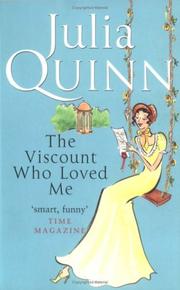
The Viscount Who Loved Me
Anthony Bridgerton vows to marry without love until Kate Sheffield challenges him at every turn.
2,666-word summary · 12 min read

An Offer From a Gentleman
Benedict falls for a masked Sophie at a ball, then finds her working as a housemaid after her stepmother evicts her.
2,320-word summary · 10 min read

Terms and Conditions
Declan must marry to inherit, so he offers his assistant a deal with rules.
2,695-word summary · 12 min read

All Your Perfects
Quinn and Graham's perfect love frays under infertility, and they must decide what perfect means now.
2,072-word summary · 9 min read

Tom Lake
Lara tells daughters about young love with actor Peter Duke at Tom Lake.
2,600-word summary · 12 min read