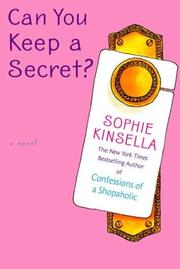
Can You Keep a Secret?
3,114-word summary 14 min read 368 pages in the book
- First published
- 2003
- Publisher
- Doubleday
- Pages
- 368
- ISBN
- 9780385338103
Reading options
What's inside (8 sections)
I grabbed this one after a run of heavier books and a late night flight of my own that left me thinking about strangers and turbulence. First published in 2003 by Doubleday, it runs 368 pages in the edition most people cite. I wanted something light but not empty, and Sophie Kinsella sounded right. What I did not expect was how much of the book happens after the famous plane scene, and how much office life and family stuff fills the middle.
The setup is simple. Emma Corrigan is in her mid twenties, living in London, working a junior job in marketing for Panther Cola. She has a nice but dull boyfriend named Connor, a sharp best friend and flatmate named Lissy, and a family that loves her while driving her a bit mad. She is flying home from a work trip to Scotland when the plane hits bad turbulence. Panicked and sure she might die, she starts talking to the quiet American man next to her. She tells him everything.
That spill is the engine for the rest. The man turns out to be Jack Harper, one of the founders of the Panther Corporation that owns the company she works for. He shows up at her office days later. Suddenly every small shame she confessed is walking around the building in a suit, smiling at her.
The Flight Where Everything Spills
Emma starts the book already off balance. She has just been to a meeting in Scotland for Panther Cola with two colleagues, Paul and Jemima. Paul is decent and funny in a dry way. Jemima is polished, ambitious, and always angled toward whoever has power. Emma feels junior next to them. She tried to pitch an idea and it fell flat. She is thinking about Connor, about money, about whether she is good at her job.
On the flight back the air turns rough. The seatbelt sign stays on. The plane drops and shakes. Drinks spill. People gasp. Emma, who is already a nervous flyer, becomes convinced this is it. The man beside her tries to calm her. He is calm, kind, a little amused. He asks if she wants water. She starts talking to keep herself from crying.
What comes out is a rush of small truths. She admits she hates her job in some ways and feels fake writing peppy copy about a cola she barely drinks. She admits she does not really love orange juice even though she always orders it to look healthy. She admits she wears a certain brand of tights because they hold her in, and that she sometimes pretends she understands art. She admits things about Connor, that the sex is fine but not exciting, that she fakes some enthusiasm, that she wonders if she settled. She admits things about her family, her flat, her bank balance, her habit of losing umbrellas and chargers. She admits she once tried to make her CV sound better than it was.
Kinsella writes this scene as a flood. Short bursts. One confession trips the next. Emma keeps saying she will stop, then adds one more. The man listens. He does not laugh at her in a cruel way. He asks a follow up question here and there. At one point he holds her hand because she is shaking. When the plane lands safely in London, Emma is flooded with shame. She rushes off without getting his name. She tells herself she will never see him again.
It is a great comic opening because it feels true to panic. People overshare when scared. I liked that Emma is not trying to be cute. She is just scared and motor mouthed. The scene also sets the question for the whole book. If someone knows the unedited version of you, can you still act normal around him.
Panther Cola and the Morning After
Back on the ground, Emma tries to forget the flight. Life is full enough. She shares a flat with Lissy, who works in something more glamorous and has a blunt way of cutting through Emma's spirals. Lissy is the friend who will tell Emma her skirt does not suit her and also stay up to help her rewrite a presentation. Their flat has that lived in feel, with drying laundry, half read magazines, and a plant Emma keeps forgetting to water.
Work is Panther Cola in London, a fizzy drinks brand inside a much larger American corporation. Emma's day to day is writing copy, sitting in meetings, fetching coffees, and trying to please her boss. She wants to be good at marketing but she doubts her own taste. She envies Jemima's polish. Jemima wears the right shoes, says the right things in meetings, and always seems to know when senior people are visiting. Paul is kinder, teasing Emma without malice, but he is also looking out for himself.
Then there is Connor. He is steady, polite, good looking in a clean cut way. He works in something sensible. He gets on with Emma's parents. On paper he fits. In practice Emma feels flat around him. She likes him but she does not miss him much when he is away. She keeps thinking she should feel more. Her doubts about him were part of what she blurted on the plane, which makes seeing him afterward feel awkward. She smiles and makes dinner plans while hearing her own voice from the plane in her head.
Family adds another layer. Emma's mum and dad are warm and a little embarrassing. Her mum fusses. Her dad makes bad jokes. They mean well. There are cousins and aunties and family lunches where everyone asks about work and marriage. Emma loves them but she also edits herself around them. She does not tell her mum how broke she feels or how stuck she feels at work. That habit of editing is part of why the plane scene matters so much. With a stranger she thought she would never see again, the filter came off.
This middle stretch is slower than the opening, on purpose. Kinsella wants you to live in Emma's normal life so the return of the stranger hits harder. Some of it drags a little. Meetings repeat. Jemima schemes in ways you can see coming. Connor scenes circle the same point. Still, the details keep it readable. The office kitchen politics. The way Emma rewrites a slogan six times. The way Lissy talks her down after a bad day.
The Boss in the Kitchen
The turn comes when the Panther Corporation sends word that a founder is visiting the London office. The London staff polish their desks and rehearse smiles. Jemima is thrilled. She sees a chance to impress someone powerful. Emma is nervous for ordinary reasons, a big boss, a possible grilling about her failed pitch in Scotland, until she walks into the meeting room and sees the man from the plane.
He is Jack Harper. Young for a founder, American, direct, a little rumpled despite the suit. He built Panther with a partner and still carries that founder energy, curious about products, impatient with jargon, willing to talk to junior staff. He recognizes Emma at once. She freezes. He smiles in a way that could mean kindness or mischief.
From here the book becomes a long cringe comedy of proximity. Jack is around for weeks, reviewing the brand, sitting in on creative meetings, asking blunt questions. Emma has to present work to a man who knows she hates orange juice and fakes enthusiasm with her boyfriend. She tries to act professional. She overcorrects. She laughs too loud or goes silent. He is careful not to expose her, which somehow makes it worse. Every polite nod feels loaded.
One of the best running bits is the office kitchen and corridor encounters. Emma ducks into stairwells to avoid him. She hides behind filing cabinets. She volunteers for errands to stay out of meetings. Jack finds this funny. He seeks her out, not to tease her cruelly but because he liked her honesty on the plane and he is tired of people flattering him. In his world everyone wants funding or a promotion. Emma wanted nothing except to survive the flight, and she told the truth by accident. That stands out to him.
Jemima, meanwhile, sets her sights on Jack. She flirts openly. She drops by his temporary office. She offers to show him London. She tells Emma how perfect they would be together. This creates a sharp contrast. Jemima performs perfection. Emma leaks imperfection. Jack watches both. Kinsella does not make Jemima a monster. She is competitive and image driven, and she can be cutting, but she is also competent. She just never lets anyone see doubt. Emma doubts out loud, which Jack finds refreshing.
Paul notices something is off and needles Emma about it. Lissy notices too and demands the full story. When Emma finally tells Lissy who Jack is, Lissy is delighted and horrified in equal measure. Those flatmate scenes are some of the warmest in the book. Lissy does not judge Emma for the secrets themselves. She judges the situations Emma gets into trying to hide them.
Boyfriends, Best Friends and Bad Choices
As Jack stays in London, Emma's love life starts to crack. She and Connor drift into that polite zone where they talk about logistics and television and avoid bigger questions. Connor proposes a weekend with his friends. Emma dreads it. She likes his friends well enough but she feels like she is playing a part. On the plane she had admitted she did not feel sparks. Now every kiss feels like a test she is failing.
Kinsella handles this without making Connor a villain. He is not cruel. He is not cheating. He is just wrong for Emma. He wants a tidy life. He wants a girlfriend who fits his plans. Emma wants to be wanted for her messy self. There is a painful scene at his flat where she tries to be enthusiastic and ends up feeling more alone. There is another where she meets his mother and feels judged for her job and her clothes. None of it is dramatic. That is the point. The relationship is fading from lack of heat, not from betrayal.
Lissy pushes Emma to be honest. She points out that Emma edits herself with Connor the same way she edits herself at work. She asks when Emma last felt excited to see him. Emma deflects with jokes, then admits Lissy is right. Breaking up is hard because Connor has done nothing wrong on the surface. Emma worries she is being ungrateful. She worries her mum will be disappointed. She worries she will look flaky.
Work choices tangle with love choices. Emma gets a chance to work on a new Panther project, a kind of edgy cola idea aimed at younger drinkers. She has real thoughts about it. She thinks the brand talks down to people. She thinks the ads lie about being cool. She is afraid to say so in front of Jack because he knows she once said she felt fake writing cola copy. Saying it now would feel like confessing again. Staying silent feels like lying. Kinsella uses this bind well. Emma's professional growth and her personal honesty move together.
Jemima keeps climbing. She takes credit where she can. She positions herself near Jack in meetings. She spreads a little gossip about Emma being flustered. None of this is over the top. It reads like real office maneuvering. I found Jemima a bit thin as a character after a while. Her motive stays the same, impress power, marry well or promote well, and she does not change much. She works as a foil, not as a full person. That is a fair weakness in an otherwise lively cast.
There is also a subplot with Emma's family and a neighbor and a series of small embarrassments that keep the tone light. A lost dog. A disastrous dinner. A charity event where Emma has to make small talk while dying inside. These scenes add texture but they also slow the middle. Readers who want the Jack and Emma story to move faster may skim here. I did not mind much because the family feels affectionate, but I wished Kinsella had cut one lunch and given more time to Emma's actual marketing work, which is sketched thinly.
When Secrets Get Out
Secrets drive the last third. Emma lives in fear that Jack will repeat what she told him. He does not, or not in the way she fears. The problem is different. Other people start guessing. Lissy teases her in front of others. Paul picks up on looks exchanged in meetings. Jemima senses a rival and starts digging. Emma tries to manage all of it with smiles and deflections, which only makes her look shifty.
The pressure peaks around a big presentation and a press moment. Panther is trying to relaunch or reposition a product in the UK. Senior people fly in. Journalists are invited. Emma is asked to help with copy and with handling guests. Jack is supposed to give a polished founder story. Jemima wants to be seen at his side. Emma wants to be invisible. None of those plans hold.
Without spoiling every beat, the truths Emma told on the plane start to surface in public in messy ways. Someone repeats a detail she thought was private. A joke lands wrong. A television interview goes off script. Emma has to decide whether to keep spinning or to own her words. The choice is complicated by Jack. He has his own secrets. He is not just a charming boss. He has made mistakes in business and in his personal life. He has been burned by press and by partners. His interest in Emma is real, but his instinct is to control the story.
The public scenes are the funniest and most stressful in the book. Kinsella is good at stage managing embarrassment. A microphone stays on too long. A question catches Emma off guard. A colleague tries to rescue her and makes it worse. I laughed out loud at one mix up involving a product sample and a live camera, because it builds from small realistic errors rather than a single absurd coincidence. The chain feels plausible. Anyone who has worked an event will recognize the sweat.
What I liked is that Emma does not get saved by Jack in these scenes. She saves herself by talking plainly. She admits she exaggerated on her CV. She admits she is junior and learning. She admits she loves some parts of the job and struggles with others. The honesty that shamed her on the plane becomes useful on stage. People respond to it. Even journalists soften a little. It is a neat turn without feeling preachy.
The fallout is still messy. Owning the truth costs Emma in the short term. A boss scolds her. Jemima pounces. Connor hears things he did not want to hear. Jack pulls back because he worries he caused the mess. For a stretch Emma is more exposed than ever, with no boyfriend, a wobbly job, and a crush who seems to have gone cool. That low stretch gives the ending more weight. She has to clean up her own spill.
What Lands and What Wobbles
The final movement ties the romance and the work story together. Emma breaks with Connor properly, not in anger but with clarity. She tells her parents the truth about feeling stuck. She apologizes to colleagues she misled. She pitches her cola idea honestly, admitting what she does not know and what she believes. Jack, to his credit, does not swoop in with a grand fix. He listens. He admits his own spin. He steps back where he should.
Their relationship, when it finally turns romantic, works because it starts from knowledge rather than fantasy. Jack has heard the worst small shames and stayed. Emma has seen Jack tired and guarded and unsure, not just charming. They argue. They misread each other. They have a sweet scene in a kitchen, of all places, where Emma stops performing and Jack stops managing, and they just talk. It is not showy. That restraint helps.
Kinsella's voice carries the book. Short sentences. Asides to the reader in Emma's head. Lists of worries that spiral then snap shut with a joke. The rhythm suits Emma's anxiety. Some readers may find the inner monologue too much. Emma repeats herself when stressed. She circles the same fear three times before acting. I found it true to life for a people pleaser in her twenties, but there are pages where I wanted her to act sooner.
Fair criticism belongs here too. The office politics are simplified. A real multinational would not let a founder hover around a junior marketer this freely without HR noticing. The press plot resolves a little too neatly. Jemima gets a comeuppance that feels satisfying but thin. Connor fades rather than getting a full goodbye. And Emma's money troubles, which open the book with comic urgency, get solved more by plot luck than by changed habits.
Still, the core holds. This is a romance about being known. Not glamorous known, with perfect hair and witty lines, but known in the sense of someone having heard you admit you fake enthusiasm for orange juice and still wanting to have dinner with you. The humor comes from recognition more than from set pieces. Anyone who has overshared on a plane, at a party, or in a job interview will feel a sting of kinship.
If you like romantic comedy with a workplace spine, this is an easy yes. If you want sharp satire of corporate drinks brands or a deep study of class in London, you will find it light. I finished it in two sittings, smiling at the end, and thinking about what I would blurt if I thought a plane was going down. I would probably start with the tights and the orange juice too. Then I would hope the stranger was not my boss.
For readers new to Kinsella, this sits well beside Confessions of a Shopaholic from 2001, which introduced Becky Bloomwood and the Shopaholic series. That book leans harder on shopping and debt. This one leans harder on work and romance. Both share the same warm, frantic voice and the same interest in young women trying to look polished while feeling wobbly inside. Can You Keep a Secret stands alone, no series to catch up on, which makes it a good entry point.
FAQ
Who does Emma sit next to on the plane?
Jack Harper, an American founder of the Panther Corporation that owns Panther Cola in London.
Where does Emma work?
She holds a junior marketing job for Panther Cola in London, writing copy and sitting in meetings.
Is Can You Keep a Secret part of a series?
No, it stands alone from 2003, though new readers often compare it to Confessions of a Shopaholic from 2001.
Similar books
More like Can You Keep a Secret? →
The Kiss Quotient
Stella Lane hires escort Michael Phan to practice dating and learns logic fails where touch and family press in.
2,716-word summary · 12 min read

Better than the Movies
A rom com obsessed senior hires her annoying next door neighbor to win her crush, then finds real love is messier and kinder than any movie plot.
2,438-word summary · 11 min read

Something Borrowed
Good girl Rachel loves her best friend's fiance through a summer of weddings and lies.
2,100-word summary · 9 min read

Confessions of a Shopaholic
Becky Bloomwood hides maxed cards while chasing a finance writing job.
1,910-word summary · 8 min read

The Flatshare
Two strangers share one bed on opposite shifts and fall in love through notes left around the flat.
2,793-word summary · 12 min read

Slammed
Grieving Layken falls for neighbor Will, then learns he is her teacher, and poems carry them.
2,793-word summary · 12 min read