
Confessions of a Shopaholic
1,910-word summary 8 min read 320 pages in the book
- First published
- 2001
- Publisher
- Dial Press
- Pages
- 320
- ISBN
- 9780385335485
- Series
- Shopaholic (#1)
Reading options
What's inside (5 sections)
I picked up Confessions of a Shopaholic on a no spend month, which was either brave or silly. Sophie Kinsella published it February 6, 2001 with Dial Press in the US. The paperback runs 320 pages. It opens the Shopaholic series. I read it in two days, laughing and wincing in equal measure.
Rebecca Bloomwood, Becky to friends, is twenty five, clever, warm, terrible with money. She works as a journalist writing about savings and pensions while owing thousands to Visa, MasterCard, and a patient bank manager named Derek Smeath who writes letters she hides unopened. She lives in London with flatmate Suze, a sweet aristocrat who makes crafts and covers for her. She loves sales the way others love sport. Window displays call her by name. Scarves whisper. She buys to feel competent, then hides bags in ovens and under beds.
Her job is the joke that bites. Successful Saving magazine pays little and demands articles like How to Stretch Your Pension. Becky interviews fund managers without understanding funds, nods at graphs, writes copy from press releases. She wants to write for Alette, a fashion glossy in the same building, and moons over its sleek staff. Fate, via a misdirected job application and a flu ridden editor, gives her a shot at both finance TV and fashion features if she can fake expertise a little longer. She fakes hard.
Luke and the letters
Luke Brandon enters as the man who sees through her and likes her anyway. Thirtyish, founder of PR firm Brandon Communications, sharp suits, sharp eyes, kind to assistants, ruthless with liars. He hires Becky's magazine for comment, catches her confusing shares with shoes, then asks her to write a puff piece that needs real reporting. Their sparring is classic. She trips over cables. He catches her elbow. She lies about investments. He raises one brow. Underneath, both workaholics hiding soft spots. He cares for his stepmother and a company that bleeds cash. She cares for her parents and Suze while drowning in minimum payments.
Derek Smeath's letters deserve their own beat because they structure the book. Brown envelopes, red stamps, polite threats. Becky sorts them into drawer, plant pot, freezer. She invents excuses. Cheque in post. Bank error. Death in family, twice. Kinsella writes these dodges with sitcom timing that never mocks debt pain. The numbers grow in footnotes at chapter ends. Overdraft, interest, fees. Readers laugh, then feel sick as totals climb past three thousand pounds. That queasy laugh is the point. Shopping feels good until math arrives.
Becky's parents add warmth. Modest, loving, proud of their journalist daughter, saving for a kitchen while she spends on Denny and George scarves. They offer to help without knowing scale. She refuses from shame, then accepts a little, then lies more to protect them. Their anniversary gift subplot, a dinner she promises to fund, forces her to face what lies cost people who love her. Suze covers rent once, then calls her out with love. You are my best friend and you are lying to me. That line lands harder than any bank fee.
The middle runs on near misses. Becky sells her clothes at a flea market to raise cash, then buys more stock with profits. She interviews a pop star about money and gets investment tips she misunderstands. She appears on morning TV to discuss savings while Smeath watches from the audience with a briefcase. That TV scene is the book's peak farce and moral turn. Live on air, asked about her own savings, she freezes as Smeath stands to expose her. Luke, watching backstage, steps in with a spin that saves her without lying for her. Humiliation plus rescue equals clarity. She confesses on air, sort of, promising to change.
Paying down
The last third shows change without magic. Becky returns clothes unworn, cancels cards, takes extra shifts, writes honestly about debt for the first time and finds readers love it. She sells most of her wardrobe at an auction with Suze's help, watching beloved coats go to strangers for fractions. It hurts and frees. She pays Smeath in person with a cashier's cheque and an apology. He shakes her hand and offers tea. That small kindness after hundreds of pages of dread made me tear up. Bank managers are people too.
Luke's own troubles parallel hers. His firm loses a client, staff fret, his rival smears him. Becky, using press skills she actually learned while faking, digs up the rival's lies and saves Luke's account. For once her nosiness and charm work for someone else. He thanks her with a trip to New York that she almost ruins by shopping at the airport. Almost. Growth, not perfection.
Romance closes sweetly without erasing money talk. Luke likes Becky's laugh, her kindness to waiters, her terrible metaphors. She likes his steadiness, his terrible ties, his way of listening. They agree to budget dates, to tell about purchases over fifty pounds, to keep separate accounts while learning. No prince pays her debts. She pays them. That choice keeps the book feminist despite frills. Love helps. Work fixes.
What shines is voice. Becky narrates in bright first person with asides, sale math, and self scolds. Kinsella keeps jokes clean and fast. London feels real in Pret lunches, Tube crowds, sample sales. Fashion details delight without needing labels knowledge. What sags a little. Early chapters repeat buy hide lie beats. Luke's perfection grates until his firm wobbles. Some 2001 money advice dates. If you hate chick lit tags, the pink cover hides a sharp book about credit culture. Read past the bows.
For 320 pages from 2001 that launched many sequels, it still reads fresh because cards still tempt. I closed it checking my own cart. Two items removed. One kept with joy. Becky would approve of the ratio. If you shop to feel better, read this with receipts nearby. Laugh, wince, return something tomorrow. Then write your own column on what enough feels like. That is the real confession here. Not that she shopped. That she learned to stop and say why.
Suze, parents, and Luke's firm
Suze deserves more than flatmate tag because she funds Becky's growth with love and limits. Aristocratic, crafty, sweet, broke in her own artsy way, she shares a flat with rules Becky breaks. She sews curtains, makes frames, covers rent once, then draws a line. No more lending till Becky shows statements. That boundary, delivered with hugs and tea, teaches Becky more than bank threats. Friends who say no with kindness save faster than lectures. Suze's own romance with Tarquin, shy and rich, runs parallel as healthy slow courtship against Becky's fast spending. Both couples learn to talk money, one with crafts, one with PR.
Becky's mum and dad ground the comedy in real worry worth naming. They live modestly in Surrey, garden, golf, save for a kitchen, brag about their journalist daughter. When Becky asks for help, they offer savings meant for retirement. She takes a little and lies about the rest, hating herself through thank yous. Their anniversary party, which Becky promises to cater on credit, nearly collapses when bailiffs circle. She saves it by selling her story honestly to a paper, not by shopping. That turn from hiding to telling, practiced first on parents, makes later honesty with Luke possible. Family as rehearsal for truth.
Luke's firm troubles mirror Becky's debts in ways the book uses smartly. Brandon Communications loses a big client to a rival spreading lies. Staff panic. Luke works nights, snaps, then apologizes. Becky, using reporter tricks learned while faking finance, tracks the rival's false claims through filings and calls. She writes a clean rebuttal that saves the account. For once her snooping and charm serve someone else's ledger. Luke thanks her with respect, not gifts. He offers her a real job writing plain money guides for beginners, which she takes to learn as much as earn. Work as repair, not reward.
Money details date but also endure. Cash machines charging fees. Store cards with high rates. Cheques clearing slowly. Those specifics mark 2001 London clearly for rereaders. The feelings underneath do not date. Wanting to look competent at work. Buying to soothe after bad days. Hiding statements from people who love you. Kinsella keeps numbers visible in footnotes so laughs never hide cost. Read those footnotes aloud. They turn comedy into budget lesson without preaching. Enough, the book suggests, is a number you pick on purpose, not a sale you chase by accident.
Becky's TV humiliation and comeback need a final beat for work readers. After confessing debt on air, she expects firing. Instead viewers write in droves, sharing their own card shame. The show gives her a segment on real money mistakes, which she researches honestly for once, interviewing counselors and reformed spenders. She learns APR math well enough to teach it simply. Luke watches her prep with pride, bringing soup during late nights. That segment, born from shame, becomes her first true journalism. Tell the truth you lived. Help others name theirs. Ratings follow because honesty reads fresh on morning TV.
Becky's parents' kitchen fund pays off in the sweetest late scene worth naming. She finally gives them a cheque from auction earnings, not enough for the full remodel but enough to start, with a card that says sorry for lies and thanks for patience. Her dad cries into tea. Her mum frames the card. That money, earned by selling the very clothes that caused debt, tastes better than any sale high. Family ledgers balance with truth first, cash second. Kinsella lets that stand without turning Becky into a saint. She still eyes shoes in the next chapter. She just walks past. Most days.
Luke's stepmother Elinor gets a sharp late scene worth naming for family readers. Cold, polished, fond of Luke in her distant way, she judges Becky as gold digger at a dinner party. Becky, expecting scorn, answers with honest talk about debts and work. Elinor softens a fraction, offering contacts for real finance writing. That thaw matters because Luke craves her approval while resenting her chill. Becky bridges them by being herself, funny and frank, rather than performing polish. Families blend through honesty, not impressing. Even stepmothers with perfect hair can bend.
Tarquin and Suze's slow dance gives the book a second romance worth a smile to close. Tarquin, shy rich Scot in pressed jumpers, courts Suze with awkward gifts and patient listens. He funds her craft fair without controlling, asks about frames with real curiosity, waits while she chooses. Their chaste kisses contrast Becky and Luke's sparks, showing another pace that works. When Tarquin helps Becky sell gowns without judgment, Suze sees his worth fully. Quiet men who show up beat loud men who impress. Both couples learn the same lesson at different speeds. Talk money early. Laugh often. Stay.
Becky's green scarf, bought in chapter one and nearly sold at auction, gets a fitting final fate worth naming. She keeps it after paying debts, wearing it to her first real finance talk. It smells of old perfume and new resolve. When an audience member asks how to stop impulse buys, Becky touches the scarf and says keep one loved thing to remember joy while you return the rest. That answer, practical and kind, earns applause longer than any stock tip. Keep the scarf. Return the pile. Choose enough on purpose.
FAQ
When was Confessions of a Shopaholic published?
Dial Press published Confessions of a Shopaholic February 6, 2001 in the US. It runs 320 pages and opens the Shopaholic series.
Who is Becky Bloomwood?
Rebecca Bloomwood, a London journalist who loves sales, owes thousands to banks while advising savers in print. Luke Brandon, a PR boss, sees through her.
Is it part of a series?
Yes. It is Shopaholic book one, followed by Shopaholic Takes Manhattan and many more. The Secret Dreamworld title is the same book under its UK name.
Similar books
More like Confessions of a Shopaholic →More from Shopaholic first, then related titles.

The Flatshare
Two strangers share one bed on opposite shifts and fall in love through notes left around the flat.
2,793-word summary · 12 min read
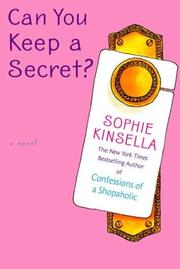
Can You Keep a Secret?
Emma blurts every secret to a stranger on a turbulent flight, then finds him running her company.
3,114-word summary · 14 min read

After You
Lou grieves Will, falls from a roof, joins a group, and meets Sam and a surprise from Will's past.
2,031-word summary · 9 min read

Love, Theoretically
Adjunct physicist Elsie Hannaway fake-dates for rent money until Jack Smith, an MIT experimentalist, stands between her and her dream job.
2,308-word summary · 10 min read

The Rosie Project
Melbourne genetics professor Don Tillman launches the Wife Project to find a partner by questionnaire, then meets chaotic Rosie Jarman and agrees to help her…
2,780-word summary · 12 min read

Something Borrowed
Good girl Rachel loves her best friend's fiance through a summer of weddings and lies.
2,100-word summary · 9 min read