
Reading options
What's inside (8 sections)
I came back to this one because my copy still had a peach sticker on the spine from a school fair. I remembered the film first, the music and the big glowing fruit rolling through town. Reading the book again, first published in 1961 by Alfred A. Knopf in a 160 page edition, I was surprised by how quick and strange it feels. It moves fast. It is funny in a loud way. It is also sadder at the start than I remembered.
James Henry Trotter is four when his parents die. Dahl handles it in a few lines. They go to London and an escaped rhino eats them. That is the whole explanation. James is sent to live on a hill with his two aunts, Spiker and Sponge, in a run down white house with a dry garden and no other children near.
If you grew up with a chore list taped to a fridge, you will know this part too well.
The House on the Hill
Aunt Spiker is tall and thin and sharp in the face. Aunt Sponge is short and round with a wet mouth and small pig eyes. Dahl does not try to make them fair. They are vain about looks in opposite ways. Spiker thinks she is clever. Sponge thinks she is pretty. Both agree James is a nuisance.
James sleeps on bare boards in a sort of laundry room. He eats scraps. He chops wood in winter until his hands hurt. He carries water. He is not allowed toys. He is not allowed to play with children from the village below because his aunts say they are dirty and loud. He stands by the fence and watches them and cries.
The hill itself feels like a punishment. The garden has weeds and one old peach tree that never gives fruit. The house has bars of light that move and then go dark. James hides under laurel bushes when the aunts shout. He talks to ladybugs and worms because no one talks to him.
Dahl writes aunts who hit and pinch and lock doors. A modern reader feels the slap of it. He means you to hate them quickly so you cheer when they get crushed later. It works, but it is blunt. There is no reason given for why they took James in except that someone had to. There is no neighbor who checks in. That thinness bothered me more as an adult.
One afternoon James is crying by the woodpile and a small old man in a brown suit appears out of nowhere. He has a bald head and big ears and bright eyes. He hands James a paper bag full of tiny green glowing things that move like rice. He says they are magic and will change his life if he follows the rules and drinks them with water. He warns him not to lose them.
James runs for water and trips by the peach tree. The bag bursts. The green things sink into the roots and vanish. James thinks he ruined everything. He sits in the grass and waits to be beaten for being late.
That night something starts to stir under the soil.
Green Things in the Garden
Next morning there is a peach on the bare tree. By breakfast it is the size of a melon. By lunch it is the size of Sponge. By evening it is as big as a small house and bends the branches to the ground. The aunts see money at once.
Spiker puts up a fence. Sponge paints a sign. They charge a shilling to look and half price for small children. Cars line the lane. People bring picnics. The aunts count coins and push James to pick up peel and cores. He is not allowed a bite.
Dahl loves this kind of greed scene. The aunts shout numbers. Spiker yells at boys who climb. Sponge fusses with her hat for photos. James watches from behind the fence while strangers bite into slices and say how sweet it tastes. He has never tasted peach.
When the crowd leaves, the aunts lock James out and tell him to clean the rubbish. The garden is quiet. The peach glows in the dusk. It smells warm and sweet and a little sour, the way summer fruit does when it is very ripe.
James sees a hole in the side near the ground, about as tall as a rabbit door. He looks around. No one is watching. He squeezes through the skin and finds a damp tunnel that slopes up toward the stone. Juice drips from the roof. The floor is soft and sticky under his knees. He licks his finger and it tastes like honey and sun.
He follows the tunnel because going back means the wash tub and cold supper. That choice is the whole book. He keeps crawling.
Climbing Inside
The tunnel opens into the hollow around the stone. It is like a small room with curved walls. Sitting on chairs made of peach stone are huge insects, as big as people, talking.
There is the Old-Green-Grasshopper, tall and neat, who plays music by rubbing his leg against his side. There is the Ladybug, round and red with nine black spots, kind and motherly, who worries about everyone. There is the Centipede, long and loud, with many legs and a closet full of boots, who loves to sing rude songs and tease. There is the Earthworm, blind and pink, who thinks everything will end badly and loves soil. There is Miss Spider, dark and clever with a kind face, who can spin. There is the Silkworm, pale and quiet, who keeps to herself. There is the Glowworm, who gives light from her tail and says little.
At first they think James is a pest. The Centipede wants to eat him. The Ladybug stops him. When they learn the green things touched them too, they accept him. They tell him they have waited in the garden for this night. They are as lonely as he is.
Dahl gives each bug a clear voice. Grasshopper is polite and a little stiff. Ladybug is warm and firm. Centipede brags and swears and laughs at his own jokes. Earthworm moans and then surprises you by being brave. Spider is calm and does the hard work without fuss. Silkworm and Glowworm stay in the back, and that is a weakness. Glowworm lights the room and Silkworm spins thread that later saves them, but they get few lines and almost no past.
James tells them about the aunts and the rhino and the woodpile. Ladybug holds his hand. Grasshopper says they will look after him now. For the first time since his parents died, someone listens all the way through.
Then Centipede, who cannot resist trouble, chews through the dry stem that holds the peach to the tree.
Rolling Down and Out to Sea
The peach shudders. There is a crack like a gun. The huge fruit tips and starts to roll down the hill.
It rolls through the fence and flattens it. It rolls over Spiker and Sponge where they stand counting money, and Dahl does not look away. He says they are squashed flat like paper. Children who hear this laugh and then go quiet. I laughed as a kid. On this reread I felt the bump of it. The aunts were cruel, but the book enjoys the squash a little too much and moves on fast.
The peach picks up speed. It smashes through the village, through gardens and sheds and a famous chocolate factory that gets mentioned in passing. Workers jump out of windows. Dogs bark. A wedding party dives into a ditch. Dahl lists the damage like a news report and keeps the pace quick.
James is inside holding tight to Grasshopper while Centipede whoops and Earthworm screams that they will all drown. Ladybug wraps an arm around James. Spider braces her legs. The stone room spins and juice sloshes. You can smell it reading, sweet and sticky.
The hill ends at white cliffs. The peach shoots off the edge and falls a long way into the sea with a huge splash. When James climbs out on top, wet and shaking, England is gone behind them. There is only water in every direction.
He should be scared. He is, a little. But he is also free. No aunts shouting. No wood to chop. Just wind and gulls and his new odd family arguing about what to do next.
Sharks, Gulls and Men in Clouds
Morning shows sharks. Long grey fins circle the peach and bump it. The Centipede leans over and sings insults at them, which does not help. Earthworm says they will be eaten by lunch. Grasshopper tries to keep order. Ladybug rations peach flesh so they do not starve, though eating the boat feels odd.
James watches the gulls and gets an idea. If Spider and Silkworm can spin strong thread, and Earthworm will agree to be bait, they can catch gulls and lift the peach out of the water. Earthworm hates the plan. He says he is blind and naked and will be pecked. James talks him through it kindly and promises to watch every second. Earthworm agrees, shaking.
Spider and Silkworm spin hundreds of thin threads. Miss Spider is brave here. She climbs out on the skin while the peach rocks and ties loops while gulls scream. James helps knot. Ladybug holds Earthworm steady while he dangles and wiggles. One by one gulls take the loops in their beaks for the worm. Soon the sky is white with birds and the peach rises dripping out of the sea.
It is the best set piece in the book. You can see the strings going up and the sharks snapping below. Dahl slows down for knots and counts and sore hands, which makes it feel real after so much rush.
Centipede, showing off in his painted boots, leans too far and falls off the top. The others think he is lost. Miss Spider slides down a thread and grabs him just in time. He comes back pale and quiet for about two minutes, then starts bragging again. I liked that. It felt true to how kids act after a scare.
Then come the Cloudmen. They are grey wrinkled men who live in clouds and make weather. They sit on piles of hailstones and paint rainbows and shove thunder around. They do not like being stared at. When the peach floats near, they throw hail at it and shout. Centipede shouts back and calls them names. A hailstone hits James on the head and raises a lump. A rainbow painter slaps Centipede with wet paint.
This chapter runs long and meaner than the rest. The Cloudmen throw things at Earthworm for fun and laugh when he cries. Dahl wants them to feel like schoolyard bullies in the sky, but they have no reason to hate the travelers and the scene keeps going after the point is made. Young readers may find it exciting. I found it tiring and a little cruel, and I wished an editor had cut three pages.
Below them a ship passes. The captain and crew look up and see a giant peach carried by gulls with small figures waving. The captain writes it in the log and no one believes him later. It is a nice touch. It makes the trip feel seen by the plain world.
New York and What Sticks
After days in the air the peach reaches America. Gulls tire. The thread starts to fray over a great city of tall towers. The peach drops fast and spears itself on the top spike of the Empire State Building. It sticks there like a cherry on a pole while crowds gather below.
Firemen raise ladders. Policemen push back. The Mayor arrives. Everyone thinks it is a bomb or a trick. Then James climbs out on top with his friends and shouts that they are friendly. Children cheer first. Adults follow.
Dahl ends quickly and sweetly. The peach is eaten by hungry children in the streets until only the stone is left. The stone is set in Central Park as a house for James. His friends stay with him and find work that suits them in the city. Ladybug is loved by gardeners. Grasshopper plays music for crowds. Spider helps bridge builders with thread. Earthworm helps farmers. Centipede shows off his boots and talks. Silkworm spins silk. Glowworm lights paths.
James tells his story to children who visit. He is no longer the boy by the fence. He has a family that chose him and a house with a door that locks from inside.
What sticks after is not the plot but the feel of being small and then, for once, being carried. The peach smells. The sea splashes. The gulls pull. Dahl writes hunger and cold and noise well because he remembers being a boy who felt them.
Fair criticism belongs here. The aunts are cartoons. Spiker shrieks. Sponge wobbles and eats. Their death is treated as a joke, which some parents will need to talk through. The rhino that kills the parents is never explained and never returns, so grief has no place to land. Silkworm and Glowworm are plot tools more than people. The Cloudmen stretch is loud and goes on past fun. The New York welcome is very fast after so much danger, and James forgives the world a little too easily.
Still, for a reader about seven to ten, the ride works. The chapters are short. The bugs argue like siblings. James learns to speak up, first to Earthworm, then to the Cloudmen, then to a whole city. If you read it aloud, do the Centipede voice low and proud and the Earthworm voice soft and worried. My throat hurt after, in a good way.
I closed my copy and thought of that sticker again. The book is short and odd and not always kind. It trusts children to handle fear and to enjoy payback. It trusts them to love a boy who crawls into fruit because staying outside hurts more. That trust is why it lasts.
FAQ
When was James and the Giant Peach published and how long is it?
First published in 1961 by Alfred A. Knopf in a 160 page edition. The post uses ISBN 9780142410363, a 160 page Puffin reprint with cover on Open Library.
Who lives inside the peach with James?
Old-Green-Grasshopper, Ladybug, loud Centipede, gloomy Earthworm, kind Miss Spider, plus quiet Silkworm and Glowworm who lights the pit.
Does the book feel dated in places?
Yes in spots. The aunts are cartoons and their squash is played for laughs, the Cloudmen run long and mean, and Silkworm and Glowworm get little to do. The hunger, the gull lift, and the Central Park ending still carry it.
Similar books
More like James and the Giant Peach →
The Witches
A boy and his grandmother face the Grand High Witch's plan to turn England's children into mice.
2,738-word summary · 12 min read

The BFG
Orphan Sophie is taken by the Big Friendly Giant, who blows happy dreams and eats vile snozzcumbers, and helps her stop nine man eating giants.
2,812-word summary · 12 min read
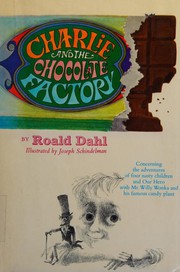
Charlie and the Chocolate Factory
Poor Charlie Bucket finds a golden ticket to tour Wonka's factory with four spoiled kids.
3,574-word summary · 16 min read

The Horse and His Boy
Shasta and Bree flee Calormen to Narnia with Aravis and Hwin.
2,594-word summary · 12 min read
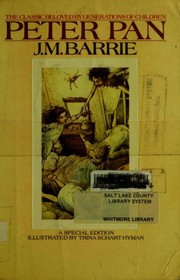
Peter Pan
Wendy, John and Michael fly to Neverland with Peter, face Hook, and learn what growing up costs.
2,502-word summary · 11 min read

The Wonderful Wizard of Oz
Dorothy is carried to Oz by a cyclone and walks the yellow brick road with Scarecrow, Tin Woodman, and Lion.
3,297-word summary · 15 min read