
Reading options
What's inside (7 sections)
I reread The BFG because my copy still had a cracked spine from childhood and I wanted to see if the funny voices held up. They did, mostly. Roald Dahl first published it in 1982 with Jonathan Cape in a 208 page edition, with pictures by Quentin Blake, and it sits in that run of Dahl books where an angry small child meets a strange adult and both get braver. I remembered the peach and the chocolate factory more clearly. I had half forgotten how odd this one gets, with its talk of bottled dreams and vegetables that taste foul and a breakfast that needs a ladder.
Sophie is the child here. She lives in an orphanage run by Mrs Clonkers, who locks the dorm at night and scolds girls for getting out of bed to look from the window. Sophie cannot sleep during what Dahl calls the witching hour. She sees a tall shape moving down the street with a suitcase and something like a trumpet. She ducks back to bed. A huge hand reaches through the window and lifts her out, blanket and all. That snatch still startles me on the page, even though I knew it was coming.
The giant carries her fast across fields and water to a cave in Giant Country. Sophie is sure she will be eaten. He tells her he is the Big Friendly Giant, shortened to the BFG, and that he took her only because she saw him. He fears humans would lock him up for show if they knew giants were real. He is much smaller than his neighbours. He is about twenty four feet tall while they are twice that. They call him Runt and toss him around when they feel mean. He lives on what grows near his cave because he refuses to steal food from villages and he refuses to eat people.
This is where Dahl slows down and lets the two talk. Sophie asks plain questions. The BFG answers in his mixed up speech, which he calls Gobblefunk. Words come out bent. He says human beans when he means human beings. He muddles letters in a way that makes Sophie correct him and then laugh. At first I found the talk tiring in long stretches. After a while I got used to its rhythm and started hearing the jokes inside it. He is not stupid. He listens closely and he remembers what children tell him in sleep.
He shows Sophie why he carries a suitcase. At night he roams with a long trumpet and blows dreams into bedroom windows. He catches them in Dream Country with a net, keeps them in jars, labels good ones and locks bad ones away. Some are golden and sweet. Some, which he calls trogglehumpers, are dark and scary. He gives the good ones to sleeping children. He destroys the worst ones or keeps them sealed. Sophie watches him work and starts to see him less as a monster and more as a night postman with huge ears.
His hearing is famous in the book. He can hear a ladybird moving its feet. He can hear whispers from far off. Dahl uses that gift for both comedy and plot. It lets the BFG find Sophie when she hides. It lets him track dreams on the wind. It also makes him lonely, because he hears the other giants coming long before they arrive and he knows what they plan to do.
The other giants are the reason Sophie cannot go home. There are nine of them besides the BFG. Their leader is the Fleshlumpeater, the biggest and the cruelest. His second is the Bloodbottler, who claims he can taste blood in people and likes it. The rest have names that tell you their habits. Bonecruncher likes to crunch. Manhugger likes to squeeze. Childchewer prefers the young. I will leave two of the names for your own read, because meeting them one by one is part of the fun, but you should know they all share one habit. Every night they gallop off to different countries to find people to eat. They argue about taste by nation in passages that feel dated now and still show Dahl’s love of rude food jokes. Greeks are said to be greasy. People from Panama are said to taste of hats. I winced at those bits. Children tend to laugh at the silliness and miss the edge. Adults will notice it.
Sophie learns quickly that the BFG survives on the snozzcumber. It grows in his land and nothing else will grow there. It looks striped and warty like a cucumber gone wrong. It tastes foul beyond sense. Sophie tries a slice and gags. The BFG eats it anyway because he will not take nicer food without asking and no one offers him any. That stubborn honesty is central to him. He would rather be hungry and mocked than steal or kill.
The night visitor with big teeth
The Bloodbottler scene is the first long scare. He storms into the cave because he smells something sweet. He suspects the BFG hides a human. Sophie dives behind the snozzcumber and then climbs inside the hollow part to stay out of sight. The BFG thinks fast. He offers the giant a taste of the vegetable, hoping the foul flavour will drive him off. The Bloodbottler bites deep, gets Sophie in his mouth without knowing it, finds the taste vile, and spits everything out across the cave. Sophie lands unhurt and unseen in the mess. The BFG finds her shaking and apologises over and over. I read that passage with my shoulders up. It works because Dahl keeps the danger physical. Teeth. Spit. A narrow miss. No lecture attached.
After the giant leaves, the BFG tries to make amends with a drink. He pours frobscottle, a green fizzy drink where the bubbles travel down instead of up. That detail leads to the famous joke of the book. Downward bubbles cause loud wind from below, which giants call whizzpopping. In Giant Country this is polite and funny. Burping is rude. Sophie tries a sip, feels the rumble, and both of them laugh till they cry. My adult self thought the joke went on a bit. My younger self would have read it three times aloud. Dahl knows his audience here. He gives children permission to laugh at bodies without making Sophie crude. She stays neat and brave through it.
There is a small kind moment tucked after the noise. Sophie has no proper clothes, only her nightdress and blanket. The BFG trims and folds her blanket into a dress and washes her things while she bathes. He is clumsy with small items. His fingers are as big as her arms. He manages anyway. Scenes like this sold me on their bond more than the big speeches. He is gentle in actions rather than words.
Catching dreams in the blue country
The next morning the BFG takes Sophie to Dream Country to stock up. The trip there is rough because the other giants catch them on the plain and bully the BFG. Fleshlumpeater swings him by an arm and a leg. The rest jeer. Sophie stays hidden in a pocket and keeps still, which takes nerve. She sees how small her friend looks beside them and understands why he never fights back with fists. He fights back later with cunning instead.
Dream Country itself is misty and quiet, with strange lakes and floating lights that are dreams drifting. The BFG wades in with his net and shows Sophie how to listen for the hum. A good dream glows soft and plays sweet pictures inside the jar. A trogglehumper throbs and shows teeth and shouting. He catches one of each while she watches. He means to keep the good one for a child and to lock the bad one away. On the way home he decides to use the bad one on Fleshlumpeater, who is napping with the rest in the sun. He slips the nightmare into the sleeping giant’s head with his trumpet. Fleshlumpeater dreams of a giant killer named Jack with a flashing axe. He thrashes and hits his neighbours in his sleep. They wake and start punching each other. Sophie and the BFG watch from behind a rock and then run while the fight spreads. It is a mean trick and Dahl lets it feel mean. The BFG is pleased in a way that surprised me. Resentment sits in him alongside kindness. That mix makes him more human than his size suggests.
Sophie also sees the limits of dream work that night. The BFG had left a sweet dream for a small boy in town. Later they spot Fleshlumpeater carrying that same boy off to eat. Sophie wants to rush in. The BFG pulls her back because he knows he cannot beat nine giants in a fair fight. He cries about it after. I found that passage hard. Dahl does not soften the loss. He uses it to push Sophie toward a plan that is bigger than dreams.
The plan that needs a queen
Sophie argues that they must tell someone with power. The BFG doubts humans will help. He thinks soldiers will shoot him first and ask later. Sophie keeps at him. She points out that the Queen cares for her people and has staff who can arrange strange things. Slowly he agrees to try. Their method is clever and very Dahl. The BFG will mix a dream that tells the Queen about nine hungry giants and about a small girl waiting on her windowsill. He will blow that dream into the palace bedroom. Then he will set Sophie on the sill so the Queen wakes and finds proof.
The night ride to London is one of my favourite stretches. The BFG runs at huge speed with Sophie in his ear, wrapped against the wind. He passes fields and towns without being seen. He times his arrival for deep sleep. He slides the dream through the window with practiced care. He places Sophie on the sill and hides in the garden. When the Queen wakes, she remembers the dream in full colour and then sees a real child in nightclothes sitting where the dream said she would be. That double shock convinces her faster than any letter could.
Breakfast is where Blake’s drawings earn their keep. The Queen, in dressing gown and pearls, sits Sophie at the table and sends for the BFG. Palace servants struggle to find a chair big enough and a cup he can hold without crushing. Mr Tibbs the butler keeps his face straight while arranging a jug as a cup and a garden table as a plate stand. The BFG eats sausages and eggs by the dozen and drinks tea from a flower vase. He whizzpops with force and apologises in his tangled speech. The Queen does not flinch. She asks sharp questions about where the giants hunt and how often. Sophie answers with dates and places she memorised from the BFG’s tales. The palace scene works because everyone stays practical. No one faints for long. They move to maps and phones.
The Queen checks the story before she sends troops. She calls rulers abroad to ask if children went missing on the nights the BFG names. The answers come back yes. She summons the Head of the Army and the Head of the Air Force, two brisk men who start out rude and end up taking notes. The BFG offers to lead helicopters back to Giant Country and to show where each giant sleeps at dawn. Sophie insists on going too, to point out Fleshlumpeater. The Queen gives them food and coats and wishes them luck. I liked that Dahl lets women run this part. The Queen decides. Sophie guides. The men follow orders and fly well, but they do not invent the plan.
Tying giants while they snore
The capture is tense and comic at once. The helicopters cross the sea with the BFG pointing the way. They land soft while the giants snore in the heat. Soldiers creep forward with ropes and chains. Eight giants are bound fast without waking. Fleshlumpeater wakes halfway and rears up. Sophie shouts that a strange snake bit him on the ankle, a vindscreen viper that turns giants to stone if they move. The BFG plays along with wide eyes. Fleshlumpeater freezes long enough for ropes to fix his arms and legs. Then the crews sling each giant under a helicopter and lift away. Dahl describes the dangling legs and the snoring echoing over the fields. Blake draws the shapes sagging like laundry. It is silly and still a relief.
Back in England the Queen has a deep pit built, with high walls and a single ladder pulled up after. The nine giants are lowered inside. Their only food is snozzcumbers, grown by the royal gardener from seeds the BFG supplies. They howl about the taste. No one pities them much. Mrs Clonkers is given the job of feeding them, which feels like Dahl settling an old score on behalf of orphan readers. The BFG gets a cottage near the palace with a big door and a lake for his jars. Sophie gets a house next door with a kind housekeeper and a puppy she names after the adventure. She teaches him to speak more plainly and to write smooth sentences. He writes down their story, which is the book we hold. That closing trick delighted me as a child and still makes me smile, even though I know it papers over questions about school and papers and who looks after Sophie in law.
What still charms and what creaks
The charm is easy to name. Sophie is brave without being loud. She asks for reasons and she remembers details. The BFG is kind without being soft. He stands up to mockery in his own way. Their talk carries the book when the plot pauses. Gobblefunk gives children new insults for giants and new names for fears. The dream jars give Dahl a way to show feelings as pictures. The palace breakfast gives adults jokes about protocol and size. Blake’s spiky lines catch all of it, from sloping shoulders to flying nightdresses. Short chapters help too. You can read two before sleep and stop, though most children will beg for one more.
The creaks show on a second adult read. Gobblefunk can drag when Dahl explains a joke twice. The taste passages about nations feel off now. They were meant as schoolboy silliness about food, but they sort people by flavour in a way that sits badly beside a story about eating children. The giants themselves are all hunger with little else. Fleshlumpeater leads. Bloodbottler sniffs. The rest get a scene or a name and then join the pile in the pit. That thinness serves the fable, since fear needs faces more than pasts, but readers who want motive will not find it.
The Queen section is tidy in a way Dahl fans will recognise. One dream and one breakfast persuade the state to launch helicopters. No press. No panic in the streets. No debate about whether giants exist. I accept the speed because the book is short and aimed at the young, yet I notice it more now. The ending is also soft on justice. Feeding giants foul vegetables forever is played for laughs. A child cheers. An adult might ask about prison and cruelty and whether hunger excuses anything. Dahl does not ask. He moves to cottages and writing lessons.
None of that spoiled the core for me. The BFG remains a story about a small girl who refuses to accept that big eaters always win and a big creature who refuses to eat at all. Their weapon is not strength. It is attention. He listens to dreams. She listens to him. Together they find the one adult who can act and they give her a reason to believe. If you read it with a child, pause at the Bloodbottler bite and at the Queen’s phone calls. Those are the places where fear turns to planning. Keep the light on for the first. You will not need it for the second.
I closed my old copy feeling fond rather than awed. This is not Dahl’s darkest book. It is one of his warmest, despite the eating. It argues that manners matter, that stealing is wrong even when you are hungry, that dreams can be sorted with care, and that even a runt can change the count if he brings a friend who speaks clearly. I will keep it on the shelf near the door, where small visitors can spot the huge face on the cover and ask who he is.
FAQ
When was The BFG published and how long is it?
First published in 1982 by Jonathan Cape in a 224 page edition. The story follows Sophie from her orphanage to Giant Country and London.
Is The BFG part of a series?
No. It is a standalone novel with no series tag, though the giant first appeared in an earlier Dahl tale and later film versions followed.
Is the book too scary for young children?
Parts frighten. The man eating giants threaten children, but Dahl keeps the tone comic and Sophie and the BFG win clearly.
Similar books
More like The BFG →
James and the Giant Peach
Lonely James escapes two cruel aunts inside a giant peach with huge insect friends, rolling to the sea and floating on gulls to New York City.
2,384-word summary · 11 min read
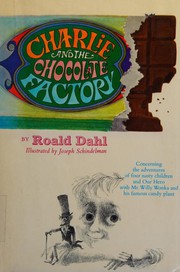
Charlie and the Chocolate Factory
Poor Charlie Bucket finds a golden ticket to tour Wonka's factory with four spoiled kids.
3,574-word summary · 16 min read

The Witches
A boy and his grandmother face the Grand High Witch's plan to turn England's children into mice.
2,738-word summary · 12 min read

Matilda
Brilliant Matilda Wormwood teaches herself to read, faces her crooked parents and the fearsome Miss Trunchbull, and finds Miss Honey.
2,296-word summary · 10 min read

The Horse and His Boy
Shasta and Bree flee Calormen to Narnia with Aravis and Hwin.
2,594-word summary · 12 min read
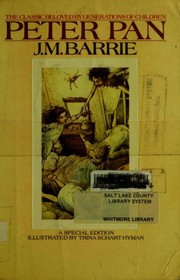
Peter Pan
Wendy, John and Michael fly to Neverland with Peter, face Hook, and learn what growing up costs.
2,502-word summary · 11 min read