
Kingdom of Ash
2,078-word summary 9 min read 984 pages in the book
- First published
- 2018
- Publisher
- Bloomsbury
- Pages
- 984
- ISBN
- 9781619636101
- Series
- Throne of Glass (#7)
Reading options
What's inside (9 sections)
I read Kingdom of Ash with the particular exhaustion of a seven-book commitment, and it paid off the way finales should. Sarah J. Maas published it with Bloomsbury in 2018, a 984 page hardcover that closes the Throne of Glass series. Aelin Galathynius, the assassin Celaena Sardothien revealed as the lost fire queen, begins the book in the worst place a protagonist can be. Chained inside an iron coffin, tortured by Maeve, cut off from her magic and her court. Everyone she loves believes she sacrificed herself. The book's job is reuniting them for one last war against Erawan's Valg darkness, and it takes nearly a thousand pages to do it. Fans wept. I understood why.
The scale needs stating. This is not one storyline but a dozen, rotating third-person chapters across a continent. Rowan, Aelin's warrior-prince husband, hunting for her with the court. Aedion and Lysandra defending Terrasen. Elide and Lorcan navigating damage and devotion. Chaol and Nesryn returning from the southern continent with armies and a healer, Yrene, whose own story anchored Tower of Dawn. Manon and the Ironteeth witches choosing sides. Dorian, the young king with a demon's scars, holding his kingdom together. Fenrys, Gavriel, the Thirteen, the Little Folk. Readers who skipped Tower of Dawn will be lost. The book assumes total investment and rewards it with callbacks to every volume.
Aelin's coffin chapters open the novel and set its tone. Maeve torments her with cold iron, with visions, with the bodies of the dead, trying to break the queen into a weapon or a warning. Aelin endures by retreating into memory, into her court, into the fire that is her inheritance. These chapters are grueling by design. Maas writes captivity the way she writes everything, at high intensity, and some readers will find the suffering prolonged. But the endurance has a point. Aelin's refusal to break, sustained across hundreds of pages, becomes the finale's moral center. Hope, held in the dark, as strategy.
Gathering the hosts
The middle act is logistics as drama, armies raised, alliances forged, debts called in. Each thread gets its campaign. Aedion and Lysandra hold Terrasen's lines against impossible numbers, and Lysandra's shape-shifting becomes a weapon of mass deception. Elide and Lorcan travel through enemy territory carrying secrets that could turn the war. Chaol and Yrene bring the southern khaganate's forces across the sea, the payoff of Tower of Dawn's long game. Manon rallies the Ironteeth, turning her wing leaders against Erawan one confrontation at a time. Dorian empties his kingdom's treasuries and prisons alike for soldiers. The Little Folk, the overlooked magical smallfolk of several books' margins, arrive in force at the decisive hour.
Maas handles the sprawl better than in earlier volumes. The chapters are short, the cliffhangers constant, the reunions timed for maximum devastation. Rowan finding Aelin. Aedion learning Lysandra's sacrifices. Elide and Lorcan's bond deepening through shared horror. Chaol confronting his father's legacy. Each relationship gets at least one scene that justifies its books-long buildup. The romance elements, always central to Maas, resolve with declarations fans had awaited for years. The found-family theme, the series' true subject, gets its fullest expression. These damaged people chose each other across seven books. Now they fight as one.
The war itself unfolds on multiple fronts. Naval battles against Erawan's armadas. Sieges of mountain passes. Aerial combat between Ironteeth wings and Valg wyverns. Maas writes action in her established mode, powers described blow by blow, emotions running higher than tactics. Military realism is not the aim. Catharsis is. Readers who want strategy will find spectacle instead. Readers who want spectacle will get nearly 400 pages of it.
The Thirteen and the Lock
Two sequences define the finale. The first belongs to Manon and the Thirteen. Facing annihilation in the skies, the Ironteeth wing makes a collective choice, a suicide strike that breaks the enemy's air power and costs nearly everything. The chapters are the series' most mourned, and Maas writes them without flinching. Each witch gets a final moment. The sacrifice works because seven books earned it. Manon, who began the series executing prisoners for fun, ends it commanding the noblest action in the war. Her arc from monster to martyr is the saga's best character work.
The second belongs to Aelin and the Lock. The ancient mechanism for sealing the Valg away requires a life, specifically the life of the one who forges it, and Aelin has known this since Queen of Shadows. The finale's last movement is her walking toward that price while her court fights to give her the chance. The forging chapters mix metaphysics with farewell, each relationship getting its goodbye. Whether the cost lands as tragedy or triumph depends on the reader. Maas provides both readings. The Lock demands everything. Love, the books argue, is what makes everything worth demanding.
The epilogue stretches generously. Survivors bury their dead. Couples formalize. Kingdoms rebuild. Terrasen gets its queen, or its memory of one. Loose threads from Assassin's Blade through Empire of Storms tie off. The final image, fire and family, closes the saga's argument. Seven books about an assassin learning she was a queen end with her choosing, again and again, the people over the crown.
Dorian, Chaol, and the secondary crowns
Dorian Havilliard's journey from book-one prince to finale king deserves its own appreciation. Possessed, broken, collared by Valg princes across the middle volumes, he arrives at Kingdom of Ash carrying trauma the book treats seriously. His magic, raw and terrifying, makes him a weapon he fears. His rule, inherited from a monstrous father, demands legitimacy he must earn. Dorian's chapters balance guilt and duty with unusual maturity for the series. His friendship with Manon, forged in shared darkness, gives both characters their most honest mirror. Neither flinches from what the other did. That mutual acceptance is rarer than romance in these books.
Chaol Westfall completes the saga's most divisive arc. Hated by many fans for his Empire of Storms choices, he spent Tower of Dawn earning his return. Here he fights loyally, loves Yrene openly, and confronts his father's legacy without excuses. Whether the rehabilitation satisfies depends on the reader's grudge. The book gives him heroics, humility, and happiness in full measure. Yrene, once a minor healer, stands as his equal in every scene, her power and compassion anchoring his resolve. Together they represent the series' thesis. Broken people, choosing daily, become whole enough.
The continental scope means dozens more get moments. Nesryn and Sartaq's aerial romance. Elide's quiet steel. Lorcan's long atonement. Fenrys's loyalty. Gavriel's gentleness. The Thirteen's individuality within unity. Maas distributes finales like party favors, and the generosity is both strength and weakness. Everyone matters, which means no one gets enough. Readers with favorites will find their scenes. Readers wanting depth may find breadth instead. At 984 pages, the book chose coverage. The choice fits a finale. Endings must include.
Sizing a 984-page ending
The sheer mass of Kingdom of Ash invites structural questions. Could it have been shorter? Certainly. The middle sags under reunions and preparations. Torture chapters repeat. Declarations multiply. A stricter edit might have cut 200 pages without losing plot. But finales serve fandom as much as story, and fandom wanted time with these people. Every extra farewell is a gift to readers who lived with the court for years. Maas writes for her devoted, and the devoted wanted everything. The bloat is the point, or at least the price.
Pacing across the seven books shows a clear arc. Throne of Glass was tight assassin fun. The middle volumes sprawled with worldbuilding. Empire of Storms and Tower of Dawn split the story to manage scale. Kingdom of Ash reassembles it at maximum volume. Read straight through, the series accelerates toward this overstuffed close. The finale's job is not efficiency but culmination. Every thread pulled. Every debt paid. Every beloved face present. By those measures, the book succeeds extravagantly. It is too much in exactly the ways its readers hoped.
Comparisons to other YA finales favor Maas. Where some sagas fizzle or betray their premises, this one delivers the promised war at promised scale with promised emotion. The Lock's price gives the victory cost. The Thirteen give it nobility. The epilogue gives it rest. Flawed, excessive, and moving, Kingdom of Ash does what finales must. It ends. And in ending fully, it lets the beginning shine brighter in memory.
Aelin's fire and the price of queenship
Aelin Galathynius deserves a final accounting as one of YA's defining heroines. Across seven books she was assassin, slave, queen, bait, weapon, and savior, often simultaneously. Her defining trait was never power but refusal. She refused the king's service. Refused Maeve's bargain. Refused the coffin. Refused the easy sacrifice that would have cost others instead. Kingdom of Ash tests that refusal at maximum pressure and finds it unbroken. Whatever the finale's excesses, its heroine never bends.
Her relationship with fire operates as more than magic. It is heritage, trauma, and selfhood fused. The flames that killed and saved across the series concentrate here into identity. Aelin is fire the way other characters have swords or wings. Forging the Lock with it means spending herself completely. The metaphysics are operatic, but the emotion is precise. Giving everything for people you chose is the series' definition of queenship. Aelin's crown was never the point. Her choices were.
The torture chapters test reader loyalty deliberately. Pages of suffering, described without mercy, risk turning endurance into spectacle. Maas walks the line by anchoring every torment to resistance. Aelin remembers. Aelin plans. Aelin hopes. The pain never becomes pointless because her inner life never stops. Readers who skim these chapters miss the point. The slowness is the argument. Breaking takes time. Not breaking takes longer. Aelin's victory is measured in unbroken hours.
The court as family
The found family reaches its fullest expression here, and the theme deserves a last look. Rowan's devotion. Aedion's loyalty. Lysandra's sacrifices. Elide's courage. Lorcan's atonement. Chaol's return. Each bond was built across books through shared danger and chosen trust. The finale cashes every one. Scenes of reunion land because separation was real. Declarations land because reticence preceded them. Maas understands that family, found or born, is proven in crisis. This crisis proves all of them.
The romantic resolutions satisfy the saga's large romance readership without derailing the war. Each couple gets confirmation, not just continuation. Rowan and Aelin's marriage faces its ultimate test. Elide and Lorcan's bond deepens through horror. Chaol and Yrene's love steadies. Manon's tragic loves resolve in loss and honor. Even minor pairings get nods. The generosity is total. No ship sinks. Every devotion ports safely, or nobly wrecks. For readers who tracked these threads for years, the attention feels like respect.
What the finale argues, finally, is that family is strategy. Love wins wars here, literally. Bonds power magic. Loyalty moves armies. The cynical reading calls this sentimental. The series' reading calls it true. Seven books built the evidence. Kingdom of Ash delivers the verdict. Together is stronger. Always was. Always will be.
What works and what drags
What works is payoff at scale. No finale can satisfy every thread of a seven-book sprawl, but this one satisfies most. The reunions devastate. The Thirteen's last flight earns its tears. Aelin's endurance inspires. Manon's arc completes beautifully. And the prose, purple as ever, suits the operatic register. Maas writes finales the way fireworks end shows, everything at once, and the sky holds.
What drags is length and indulgence. At 984 pages the book repeats emotional beats, yet another farewell, yet another declaration, yet another impossible rescue. The torture chapters run long. The power levels escalate past tension. New readers cannot start here, and even returning readers may need refreshers. The series' politics, queens and chosen ones, never deepen beyond the personal. And the suffering, particularly Aelin's, tests the line between stakes and spectacle.
Still, Kingdom of Ash lands its saga. It gives seven books of investment a worthy close, honors its found family, and lets its queen pay the price her story always demanded. Read the series in order or not at all. This volume is pure culmination. For those who walked from the assassin's first contract to the final fire, it is the ending the journey earned. The court survived. The kingdom stands. The ash settles, and something green grows through it.
FAQ
When was Kingdom of Ash published?
Bloomsbury published it in 2018. The hardcover runs 984 pages and the ISBN is 9781619636101.
Who leads the ensemble?
Aelin Galathynius, the fire queen, with Rowan, Aedion, Lysandra, Elide, Lorcan, Chaol, Nesryn, Manon, Dorian, and Yrene.
Is it part of a series?
Yes. It closes the Throne of Glass series as book seven, after Tower of Dawn, and Assassin's Blade is its prequel.
Similar books
More like Kingdom of Ash →More from Throne of Glass first, then related titles.

Throne of Glass
Throne of Glass book 1 retold: Celaena out of Endovier, the contest, Dorian, Chaol, and the castle tests.
1,926-word summary · 9 min read

Crown of Midnight
Crown of Midnight, the second Throne of Glass book, follows Celaena as the King's Champion, a faked death, Nehemia's murder, and her return to Endovier.
2,255-word summary · 10 min read

Heir of Fire
Celaena hides in Wendlyn as heir Aelin and trains with Rowan, while Dorian loves healer Sorscha, Chaol doubts his king, and Manon bonds with Abraxos. Full plot…
2,313-word summary · 10 min read
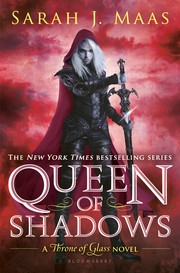
Queen of Shadows
Celaena returns to Rifthold as Aelin to free magic, face Arobynn and the Valg, and reunite with Rowan and Chaol.
4,447-word summary · 20 min read

Empire of Storms
Aelin gathers armies and faces Maeve while Elide and Manon flee Morath.
4,466-word summary · 20 min read

Tower of Dawn
Chaol and Nesryn sail to Antica for armies and healing, finding Yrene Towers and Valg darkness instead.
2,054-word summary · 9 min read