
The 4-Hour Workweek
2,986-word summary 13 min read 308 pages in the book
- First published
- 2007
- Publisher
- Crown
- Pages
- 308
- ISBN
- 9780307353139
Reading options
What's inside (8 sections)
I came to this book late and a little annoyed. For years people kept telling me it had changed how they thought about work, and the title always sounded like a trick. Four hours a week. Right. I pictured beach laptops and passive income charts, the kind of promise that falls apart the first time you talk to someone who actually runs a business. What pulled me in was a friend who does not buy into productivity fads. He said the title is the worst part of the book, and the rest was worth arguing with. He was right about the arguing part. I spent a week reading it with a pencil, agreeing with a third, rolling my eyes at a third, and copying the last third into my notes.
The edition most people read first came out in 2007 from Crown, a fairly short book at 308 pages, and it reads like a product of that moment. Outsourcing sites were new. Blogs could still make money. Remote work sounded strange to most bosses. Ferriss, then a young entrepreneur running a nutritional supplement business, wrote it as a manual for escaping office life rather than climbing inside it. Some of the tools he names are dated now. The question underneath still lands: what if you stopped trading all of your time for money and started trading a little of your money for time.
His answer has a name. He calls it lifestyle design, and the people who practice it he calls the New Rich. The distinction has nothing to do with bank balances. The New Rich are people who control their hours and their location, even if they earn less on paper than the stressed manager down the street. The book is organized around four moves that spell DEAL: Definition, Elimination, Automation, Liberation. Ferriss means them in that order: decide what you want before you touch anything else.
What the New Rich want instead
The opening chapters are the strangest and, for me, the most useful part of the book. Ferriss asks you to stop saying you want millions of dollars or a big title and to describe a normal Tuesday instead. Where do you wake up. What do you do before lunch. Who is with you. How much does that day cost. He has you write down the dreams, then price them, then divide by month. A cottage near the coast for part of the year, language lessons twice a week, a flight home every other month. When you add it up, the monthly number is often smaller than people expect. Five or ten thousand a month in the right place buys a life that sounds impossible when you phrase it as needing ten million in the bank.
This leads to his attack on the deferred plan most of us absorbed without noticing. Work hard from twenty five to sixty five, save a slice, then finally live. Ferriss thinks that trade is broken for two reasons. First, you spend your healthiest years doing work you tolerate to fund years when travel is harder and friends are scattered. Second, retirement as a finish line keeps moving. Pensions shrink, costs rise, and the payoff never feels as free as the brochure promised. His alternative is to spread small retirements through life instead of saving them all for the end. Take a month or three now. Learn to make pasta in Italy or take tango lessons in Buenos Aires. Then come back and work again, but on your terms.
The tool he offers for the fear this brings up is an exercise he calls fear setting. You take the scary step, quitting, pitching a remote arrangement, selling the house, and you write down the worst outcomes in plain detail. Not vague dread, but actual events. You lose three months of income. You move back in with family for a while. You feel embarrassed at reunions. Then, next to each, you write what you would do to repair it and how likely it really is. Then you price the cost of doing nothing for a year or five years. Most readers find the middle column short and the last column painful. The exercise puts a price on staying still, which is the number we rarely calculate.
I found this section pushy in places. Ferriss writes with the confidence of a man in his late twenties who has already decided offices are for other people. Readers with kids, debt, visas, or sick parents will notice how much freedom he assumes at the start. Still, the core questions survive the pushiness. What does a good week look like. What would it cost. What stops you from testing a small piece of it this year.
Cutting the work before you automate it
Before Ferriss talks about assistants or online stores, he talks about subtraction. His rule is that most of what fills a workday does nothing. He leans on two old ideas and applies them with unusual strictness.
The first is the 80/20 principle, the observation associated with Vilfredo Pareto that a small share of inputs tends to produce most of the results. Ferriss tells the story of his own supplement business to show it in action. A handful of customers brought in most of the profit. A long tail of difficult buyers ate his mornings with complaints, returns, and special requests. When he ranked buyers by revenue and hassle, the answer was plain. He let the worst go, stopped advertising in channels that brought complaints, and watched revenue hold while his hours fell. He suggests readers do the same audit with clients, products, and even friendships that always need rescuing.
The second is Parkinson's Law, the claim that work expands to fill the time allowed for it. Give yourself all day for email and email takes all day. Ferriss pairs this with strict limits. Check email twice a day, at set times, and do not start the morning there. Set short deadlines for tasks that would otherwise drift. Run meetings with a clear end time and a reason to exist, or skip them. Batch small chores into one block a week instead of letting them interrupt every day. Together it reads like permission to stop performing busyness.
He gives the office worker a specific script. Do not walk in and announce you want to work from home forever. Run a short trial. Propose two days remote for two weeks, with clear measures your boss cares about: tickets closed, calls made, revenue kept. Train your manager to leave you alone by being slightly hard to reach and always delivering. Respond in batches. Keep your phone off during deep blocks. When something breaks, fix it and report the fix rather than asking for guidance midstream. If output rises, extend the trial. If the boss refuses despite better numbers, you have your answer about that job.
There is a harder edge here that deserves a pause. Some of his advice amounts to training people around you through selective silence, and it works better for a salesperson with portable numbers than for a nurse or a teacher. He writes mostly for knowledge workers who sit in front of inboxes. Taken as office tactics the chapter is strong. Taken as a theory of all work it overreaches. What carried over for me: fewer checks of the inbox, shorter lists, and asking whether a task needs doing at all before asking how to do it faster.
The low information diet
This is the chapter people quote back to me most, usually while breaking it. Ferriss argues for a radical cut in news, feeds, and casual reading. No morning scroll. No cable news running in the background. No forty blogs skimmed out of habit. Ask a simple question when you reach for more input: will I use this for a decision in the next few days. If not, skip it.
He is blunt about the cost of constant updates. Every ping breaks a train of thought that takes time to rebuild. Every opinion piece about distant events rents space in your head without changing what you will do that afternoon. He suggests a one week media fast to prove the point. Tell people you are unreachable for a while. Put an auto reply on mail. Let colleagues call for true emergencies. At the end of the week, notice how little you missed and how much calmer the days felt. Most urgent news either resolved itself or can be learned later in five minutes from a friend.
His own rules are strict. He reads books rather than streams of posts. He avoids meetings that lack an agenda. He keeps web browsing inside scheduled blocks. He learns just enough about a topic to act, then stops. Total avoidance is hard to follow for work that needs current awareness, and ignoring the news altogether feels like a dodge. But the milder version has stuck with me for years: phone in another room in the mornings, inbox twice a day when I can manage it, and a weekly hour for the small admin that used to leak across every evening.
The pushback writes itself. Some jobs run on awareness. Some citizens want to know what is happening even when they cannot act on it that day. Ferriss can sound breezy about that. Still, his test is fair. Track how many articles you read in a week and how many changed a choice you made. The ratio is usually embarrassing. The few sources that actually shape your week deserve the room that cutting the rest frees up.
Building a small business that can run itself
The middle of the book turns from time into money. Automation, in his use of the word, does not mean software alone. It means building a small operation that fills orders and answers questions while you sleep, then stepping back from daily control.
He starts with product choice. Skip big inventions and venture funding. Look for a narrow product that solves a specific ache for a defined group, priced roughly between fifty and two hundred dollars, light enough to ship cheaply, simple enough to explain on one page. Vitamins for athletes with joint pain. Study guides for a painful exam. Gear for a hobby with devoted buyers. He walks through testing demand before you build anything. Put up a plain page with a buy button. Run small ads to it. Track clicks and signups. Call the people who almost bought and ask what stopped them. If nobody clicks, you have learned something cheap. Kill the idea and test the next one.
Then comes the part that made the book famous and uneasy: hand the routine work to other people. Hire remote assistants to answer mail, process refunds, chase suppliers, and update listings. Write exact scripts for common cases so they do not need you for each decision. Give them spending limits for fixing mistakes without asking. Keep payment and passwords in a password manager with limited access. Check in once or twice a week instead of hovering. Ferriss used assistants in different time zones so work moved overnight, and he describes waking to a cleared inbox as the moment the system felt real.
He spends time on the psychology of letting go. Owners often keep tasks because explaining them once feels slower than doing them again today. That math flips after the third repetition. Record the steps, hand them over, accept that the first version will be slightly worse than your own, and fix the instructions instead of taking the job back. Set rules for what counts as a real emergency. Almost nothing qualifies. A late shipment is a refund and an apology template, not a midnight call.
Reading this in 2026, some passages feel thin. Ad costs have risen since his early experiments. Inboxes are crowded. Customer review systems punish slow or distant service fast. Ferriss also glosses over how much care good support takes and how badly scripted replies can damage a new brand. His examples lean on simple physical goods and information products that fit his method. A restaurant, a clinic, or a custom furniture shop will not automate the same way.
What remains useful is the order of operations. Test before you invest. Write the process down. Give helpers real authority inside clear bounds. Measure with a few numbers that matter, like profit per hour of your own time, instead of vanity counts. Even if you never hire anyone, the discipline of turning repeated work into a checklist pays off.
Leaving the office behind
Liberation is the last move, and the one the cover promises. Once work takes less of your week and income arrives without your constant touch, you can move. Ferriss does not mean a two week vacation where you rush through sights and return exhausted. He means living somewhere else for a while. Rent an apartment for a month. Shop where locals shop. Take lessons in the local pastime. Let the place change your pace.
He is practical about the mechanics. He suggests building the case at work first with the remote trial described earlier, then proposing a longer stretch with the same measures. If self employed, he suggests telling customers nothing about your location. What customers notice is replies and delivery. The street address rarely comes up. He talks through cheap long stays in places where the dollar stretched far in the mid 2000s, language schools that cost less than a week of hotels, and the strange effect of fewer possessions when everything fits in one bag. For him, freedom meant control of mornings more than luxury surroundings.
Under this sits an economic idea he returns to often: earn in a strong currency and spend in a cheaper one. A modest online income that feels tight in San Francisco or London can fund a comfortable life with help and free time in many cities abroad. He also flips the usual status math. The neighbor with the new car and the long commute may have less freedom than the freelancer with an old laptop who surfs at noon. Time and mobility are the wealth that counts here.
The travel writing pulls hard, and parts of it deserve distrust. Ferriss can make a three month stay sound simple in a way that skips visas, health cover, school calendars, and aging parents. He writes from the position of a single man with a portable business and no caregiving load. Readers with different constraints will need to shrink the idea to fit: a two week work trial from a cheaper city, a summer swap with family, a part time schedule in August. The smaller version still teaches the same lesson. Place shapes spending and mood more than most career advice admits.
There is also a fair question about what this does to home. Constant movement can thin out friendships and leave you oddly rootless. Ferriss nods at this and keeps moving anyway. I came away thinking the sweet spot for most people is not permanent drift but rhythm: periods of travel or deep study balanced with months of ordinary life near people you love. A mini retirement every few years sounds better to me now than chasing an endless one.
What holds up and what does not
A book this confident invites a hard look back. Some of it has aged well. The core moves still work: define a cheaper and clearer target, cut the fake work, guard attention, test products before building them, write processes down, and negotiate for location freedom with numbers rather than wishes. The fear setting exercise alone is worth the price for anyone stuck on a decision. I have used it twice, once for a job change and once for a move, and both times it shrank a fog of worry into a short list I could act on.
Some of it has aged badly or was always overstated. The outsourcing chapters assume a level of ease and savings that is harder to find now, and they say too little about the workers on the other end. Treating people as cheap units in your system reads worse today than it did in 2007, and the best parts of the method, clear instructions, fair pay, real trust, are the opposite of squeezing. The marketing advice leans on tactics from an earlier web that no longer behave the same. Ad platforms are dearer, spam filters are stricter, and readers spot funnels faster. A few stories feel chosen for effect. The four hour figure itself is mostly a headline. Ferriss worked long stretches building the business that later let him step back, and most readers who build something similar should expect the same curve: heavy lifting first, lighter weeks later, never zero.
The tone will decide whether you finish. He brags. He picks fights with common wisdom. He states rules where he should offer options. If that voice grates, read for the tools and ignore the swagger. If you run a small online shop, write for a living, code, design, consult, or sell in a way you can measure, you will find at least three tactics to try this month. If your work is physical, licensed, or tied to a place and a shift, take the attention chapters and the fear setting exercise and leave the muse talk for later.
My own copy is now full of marks, which surprised me. The Tuesday exercise sat on my desk for weeks. Inbox checks dropped to twice most days. Two small projects got killed after an 80/20 review showed they ate weekends and paid little. I did not move abroad or hire a team, and the exact life he describes holds little appeal. Still, the question that opens the book has not left me alone: what is the pay for, and when do you plan to collect.
FAQ
What does DEAL stand for in The 4-Hour Workweek?
Definition, Elimination, Automation, Liberation. Define the life you want, remove needless work, build income that runs without you, then free your location.
Is The 4-Hour Workweek only for people who want to travel?
No. Travel is the flashy example, but the core tools are attention control, testing small products, and negotiating flexible work, which apply at home too.
Does the book really promise working only four hours a week?
The title is mostly a headline. Ferriss describes long stretches building the business first, with lighter weeks only after systems and helpers are in place.
Similar books
More like The 4-Hour Workweek →
The 7 Habits of Highly Effective People
Covey's famous framework for living by principle: seven habits that move from private victory to working well with others.
2,259-word summary · 10 min read

Steal Like an Artist
Kleon's 2012 illustrated guide gives ten principles for creative work, from borrowing openly and starting early to sharing, staying kind, and cutting the…
2,999-word summary · 13 min read

Shoe Dog
Phil Knight tells how Blue Ribbon Sports grew from a trunk of Japanese running shoes into Nike.
2,824-word summary · 13 min read
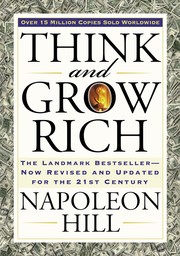
Think and Grow Rich
Hill teaches desire, faith and autosuggestion, distilling lessons from Carnegie interviews into thirteen principles for success.
2,458-word summary · 11 min read

The Life-Changing Magic of Tidying Up: The Japanese Art of Decluttering and Organizing
Marie Kondo teaches the KonMari method: keep only what sparks joy, tidied by category for a lasting home reset.
2,413-word summary · 11 min read
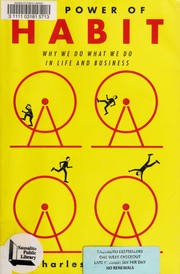
The Power of Habit
Why we do what we do: the cue routine reward loop, keystone habits, and how companies and movements use the same science, from toothpaste to the bus boycott.
2,207-word summary · 10 min read