Reading options
What's inside (9 sections)
- Aunt Polly, Sid, Mary and getting out of work
- The whitewashed fence and Becky Thatcher
- Huck Finn and the graveyard murder
- Jackson Island pirates and the funeral they watched
- Court day, the haunted house and the treasure hunt
- McDougal's Cave, being lost and Injun Joe's end
- Treasure, the widow and what still works
- Key takeaways
- FAQ
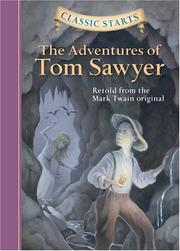
I picked this up thinking I knew it already. White fence, bare feet, raft on the river. That poster version. The actual book from 1876, first put out by the American Publishing Company, is stranger and funnier and a bit darker than I remembered. Twain sets it in St. Petersburg, Missouri, a small town on the Mississippi that is really his Hannibal with the names changed, and he follows one boy through a summer that starts with stolen jam and ends with witnesses and treasure and a cave.
Tom Sawyer lives with his Aunt Polly because his mother is gone. Polly loves him and whips him and prays over him and gets played by him about twice a day. His half-brother Sid is the good boy who tattles and stays clean. His cousin Mary is older, kind, the one who actually gets through to him sometimes. That house is the whole moral weather of the book. You always know when Tom has gone too far because Polly goes quiet, and you always know he will swing back because Mary leaves a door open for him.
I will walk through it in order, because the plot stacks like a kid's summer, one scheme leading to the next until the games stop being games. Spoilers throughout, since that is the point of these notes.
Aunt Polly, Sid, Mary and getting out of work
The book opens with Aunt Polly shouting for Tom and Tom hiding. He has been sneaking jam. When she grabs at him he yells Look behind you and runs. That is Tom in one move. Quick, sweet-talking, always with an exit.
Polly feels guilty about being soft on him. She quotes the Bible about sparing the rod, then switches to worrying she is too hard. Tom knows exactly how to ride that wave. When Sid breaks the sugar bowl and Tom takes the whipping for it, Tom sulks in the corner and Polly tries to make it up with kindness, and he soaks it up while planning the next dodge. Sid watches all this with small, satisfied eyes. You will dislike Sid fast. Twain means you to.
School and Sunday school are painted as endurance tests. Tom trades for Sunday school tickets so he can win a Bible without learning the verses. He memorizes two thousand verses in the official prize system by swapping fishhooks and marbles for blue tickets and red tickets until he has enough to claim the prize. Then the judge asks him to name the first two disciples and he says David and Goliath. The whole room laughs. I laughed too. Twain loved that kind of public collapse, where a show-off scheme works until it meets one plain question.
Mary matters here more than people remember. She buys Tom's tickets with her own, she coaxes him to learn, she stays proud of him when he shines for five minutes. Polly disciplines. Mary encourages. Sid reports. Tom learns how to perform for each of them. That triangle explains a lot of what he does later with Becky and with the town.
The whitewashed fence and Becky Thatcher
Then comes Saturday morning and Aunt Polly sentences Tom to whitewash thirty yards of board fence nine feet high. To Tom it feels like the end of life. His friends pass by with plans to swim, and he has to sit there with a brush.
This is where Twain gives Tom his most famous trick. Ben Rogers comes by, pretending to be a steamboat, and Tom does not beg for help. He acts like whitewashing is a rare privilege. He paints with care, steps back to admire it, sighs when Ben asks for a turn. Ben ends up giving him an apple core for a chance to paint. Then Johnny Miller, then Billy Fisher, and by the afternoon Tom has a kite, a dead rat on a string, a brass door-knob, a tin soldier, and a lot of painted fence. Polly is so pleased she lets him go play.
Twain pauses to spell out the lesson in plain terms. If a thing has to be done it is work. If it does not have to be done it is fun. Tom stumbles on how adults price things without meaning to.
Becky Thatcher walks into the story right around here and Tom forgets everything else. She is new in town, Judge Thatcher's daughter, with yellow hair in long plaits. Tom shows off at once. He chases her, he yells, he tries to get her attention at church, he gives her a peach. In school he draws and writes I love you on a slate. They get engaged in the kid way, with vows and a kiss and a plan to walk home together. Then Becky learns Tom was engaged before to Amy Lawrence, and she drops him cold.
Tom mopes in grand style. He wishes he were dead so Becky would feel sorry. He thinks about running away, about joining the army, about being a pirate. This stretch is very funny if you have ever watched a nine-year-old nurse a heartbreak like it is a fatal wound. It is also where Twain shows how much of Tom's bravery is tied to an audience. With Becky watching, he wants to shine. Without her, the shine goes out.
School itself is a circus. The master dozes, the boys sneak chewing gum and lice games. Tom takes Becky's whipping for a book she tore by accident, and for a day he is a hero to her again. That scene tells you Tom can be gallant when the cost is clear and immediate. A beating he can see. A long secret he has to carry is harder for him.
Huck Finn and the graveyard murder
Huckleberry Finn drifts in as the boy every mother cites as a warning. Son of the town drunk, free to come and go, smoking, swearing, sleeping where he likes. Huck does not go to school or church. Tom envies him with his whole heart. To Tom, Huck is freedom. To the town, he is trouble. That split runs through two whole books.
Tom joins Huck for a midnight cure for warts with a dead cat in the graveyard. Folk cure rules say you take the cat at night, chant, throw it after a devil, and the wart rots with the cat. They pick the old graveyard past midnight. It is supposed to be empty and spooky. It is not empty.
Three men arrive with a wheelbarrow: young Dr. Robinson, the town ne'er-do-well Muff Potter, and Injun Joe. They have come to dig up a body for the doctor, a grave-robbery job common enough in that era for medical study. Potter and Joe want more pay. A fight starts. Joe holds a grudge against the doctor from an old jail incident. In the scuffle the doctor knocks Potter flat with a headboard, and Joe grabs Potter's knife and stabs the doctor dead.
This is the turn where the book stops being pranks. Two boys behind a gravestone watch a man killed. Joe then plants the knife in Potter's hand and coaches the half-awake Potter into believing he did it. Potter believes him. The town believes him. Tom and Huck swear a blood oath not to tell, signed in blood, because they are terrified Joe will kill them too. They keep the oath for a long time, and it eats at Tom.
Twain handles the aftermath through small signs. Muff Potter sits in jail, grateful that Tom brings him food, still confused about what he did drunk. Tom has nightmares. He goes to the jail to slip things to Potter. He wants to speak but cannot get the words out. Huck begs him to stay quiet. You can feel Twain pulling at both sides here. Loyalty to a friend versus pity for an innocent man locked up for murder. For a children's classic, it stays with that guilt a surprisingly long while.
Fair warning on language here, and it applies to the whole book. Twain uses the racial terms of his time and place, and Injun Joe is drawn as a half-Native villain built out of revenge and menace. Modern readers will feel how flat and cruel that portrait is. Joe is given a backstory of being whipped and jailed, but the narration still leans on stereotype. It is worth naming plainly. The murder plot needs Joe to be scary, but Twain reaches for caricature to do it. That choice has aged badly, even if the fear Tom feels is written with real skill.
Jackson Island pirates and the funeral they watched
Before the trial resolves, Tom needs air. After Becky rejects him and Polly scolds him and the graveyard secret presses down, he talks Joe Harper and Huck into running away to Jackson Island to be pirates. They take a raft at night with meat and pipes and grand plans. No parents, no school, no rules.
The island chapters are pure summer. They swim, they fish, they cook stolen ham, they smoke and get sick and pretend they liked it. They play at being Black Avenger of the Spanish Main and his crew. Tom loves naming things and making rules for the gang. Huck actually knows how to camp. Joe Harper gets homesick first but will not admit it.
Then a storm hits the river and Twain writes it big. Thunder, lightning splitting trees, rain hammering the tent they made from sails. The boys huddle and feel small, and for a night piracy feels less romantic. In the morning the sun comes back and so does the game.
The best joke is the funeral. The town thinks the boys drowned. The river is dragged, the church bell tolls, and the families mourn. Tom sneaks back home at night and overhears Aunt Polly and Mrs. Harper grieving, and Mary crying. He even leaves a little bark note saying they are not dead, but it gets lost. On Sunday the whole town gathers for the funeral sermon, and the three boys march in from the back and sit with their families. The congregation erupts. Polly hugs Tom and whips him in the same minute, which feels exactly right for her.
Twain is poking at sentiment here. The town loves a sad story until the corpses walk in, then it loves a happy one. Tom learns that being mourned feels wonderful, which is a very Tom lesson to take from nearly drowning his aunt in grief. I found myself annoyed at him and fond of him at once. He does feel sorry, in his way. He just likes the applause more.
Back in school Tom is a hero again, which repairs things with Becky for a while. They pass notes. They sit together. Then the schoolmaster's secret book, Tom's clumsiness, Becky tearing a page, Tom taking the blame, all of that replays the pattern. Tom wins attention by suffering a little in public. It works every time, and every time it wears off and he has to find a new stage.
Court day, the haunted house and the treasure hunt
The trial of Muff Potter finally arrives and Tom cannot sleep. The town lawyer has Potter cold. Witnesses place him at the scene. Potter's own confusion makes him look guilty. Huck is sick with fear. Tom has been telling himself that his oath holds, until pity breaks it.
In court Tom takes the stand and tells what he saw in the graveyard. He describes Dr. Robinson, Potter knocked out, Injun Joe with the knife. Joe, who is sitting in the courtroom, bolts through a window and runs. Potter is cleared. Tom becomes famous again, but now with nightmares attached, because Joe is loose and everyone knows Tom talked.
This is Tom's bravest act in the book, and Twain does not dress it up too much. Tom shakes. He cries. He has to be coaxed to speak. That makes it land harder than the pirate games. A boy who loves applause does a thing that brings danger instead of applause.
Once the glow fades, Tom and Huck go looking for buried treasure because boys with fame still want money. They dig in haunted places, they read charms, they argue about where robbers hide gold. They settle on the haunted house on Cardiff Hill, a rotting place with broken windows and rumors. They creep upstairs with shovels and hear voices below.
Those voices turn out to be Injun Joe and a partner, a deaf Spaniard who is really Joe in disguise. The men have stolen money and are deciding where to stash it. They find a box of gold coins, over six hundred dollars, and talk about a second stash under Number Two. Tom and Huck freeze on the creaking stairs, terrified a step will give them away. Joe suspects someone is above but decides the noise is rats. The boys escape by luck and by staying still.
That scene is built well. Twain keeps the boys quiet for pages, which is hard to do without losing pace. You feel the dust and the heat and the fear of breathing too loud. The money also shifts the book. Six hundred dollars is already a fortune to them. Number Two sounds even bigger. From here on Tom is not playing pirate. He is trailing a killer who has cash and a plan.
They track Joe to a temperance tavern where Number Two might mean Room No. 2. Tom goes in during the day to snoop while Huck keeps watch at night. Huck follows Joe and his partner one evening and hears talk of revenge on the Widow Douglas and a plan connected to her house. Huck runs to get help, which sets up his own brave turn later. Tom, meanwhile, has wandered into a different kind of trouble with Becky.
McDougal's Cave, being lost and Injun Joe's end
The town picnic to McDougal's Cave is meant to be a treat. Boats, lunch, candles, games in the big cavern with its passages and bats and echoes. Becky is there. Tom wants to impress her. They slip away from the group with candles to explore side passages, marking walls and crawling through gaps until they realize they are lost.
Twain stretches this for chapters and earns it. The candles burn low. The food runs out. Becky cries and sleeps and wakes crying. Tom tries to stay cheerful, then gets scared, then steadies himself because someone has to. He rations the last bit of cake. He leaves Becky resting and goes feeling along the walls with a kite string to find a way out. He shouts until his voice fails. At one point he sees a hand holding a candle in the dark and thinks it is rescue, until he sees it is Injun Joe. Joe runs at the sound of Tom's voice. Tom is too relieved and too horrified to tell Becky at first.
Tom finally finds a small opening to the river and squeezes out to get help. Boats come, Becky is carried out weak and dazed, and the town celebrates. Then comes the grim part. Judge Thatcher orders the cave mouth sealed with an iron door to keep kids from getting lost again. Nobody knows Joe is still inside. When the cave is opened later, Joe is found dead behind the door, with his knife worn down from trying to cut through and bits of candle eaten. Tom hears it and feels sick, because he had wished Joe dead but seeing it is different.
I found this the strongest writing in the book. The cave is dark and wet and confusing without Twain having to oversell it. He gives you drips, cold rock, names carved by other visitors, bats going out at the mouth at dusk. Becky changes here too. She stops being the prize Tom chases and becomes a tired, scared kid who needs water and rest. Tom rises to it. He lies to her a little to keep her calm, and for once the lying feels kind rather than showy.
There is also a quiet echo with Huck. While Tom is lost underground, Huck is above ground stopping Joe's attack on the Widow Douglas by fetching the Welshman. Huck gets sick and is nursed at the widow's house. Both boys spend the middle of the book saving someone and getting saved. Twain pairs them without making a speech about it.
Treasure, the widow and what still works
With Joe dead, Tom remembers where Joe must have taken the treasure in the cave. He and Huck go back in with string and candles, following the cross marks Joe made. Under a rock in a side passage they find a box packed with gold coins, over twelve thousand dollars in old money. They haul it out in bags and take it to the Widow Douglas's parlor to count it with the men of the town watching.
Twelve thousand dollars in the 1840s setting is enormous. The widow puts Huck's share at interest so it pays him a dollar a day. Judge Thatcher does the same for Tom. The boys are rich on paper, which is very funny because Huck still hates shoes and beds and school. The widow takes Huck in to civilize him, with clean clothes and prayers and manners. Huck runs away after three weeks because he cannot stand it, sleeping in a barrel. Tom talks him back by promising the robber gang Tom is forming, and by saying Huck has to stay respectable to join.
The gang plan is a joke and a little sad. Tom has read too many adventure tales and wants oaths and ransoms and masks. Huck just wants a place to belong. The book ends with Tom saying they will be robbers someday, almost as if the summer could loop forever.
What still works, for me, is the voice. Twain writes boys without talking down to them. The dialogue snaps. The church scenes, the school prize scene, the fence scene, all move fast and land. Tom is selfish and warm by turns. He lies constantly and then does a brave thing when it counts. Huck is the steadier friend, the one who knows how to live outside. Polly and Mary give the book its heart. The Mississippi sits behind everything, bright and dangerous, jobs and funerals and picnics all bent around the river.
What creaks is not hard to list. The middle sags in places where Twain repeats a joke or lets Tom sulk a chapter too long. Becky gets less inner life than she deserves until the cave. Amy Lawrence vanishes. The temperance lecture and some of the Sunday moralizing feel pasted in. And the handling of Injun Joe, as I said earlier, is the real problem. Joe is the engine of the plot, but he is written as a type rather than a person, with his Native identity used as shorthand for cruelty and revenge. A modern kid reading this needs an adult nearby to say that is a caricature, that real Native people in Missouri and across the country were being pushed and punished in Twain's lifetime, and that fear of Joe in the story does not excuse the flat way he is drawn. Huck's book later gives Jim a fuller inner life. Joe never gets that chance here.
I still recommend it, with that caveat stated up front. Read the fence and the pirates for fun, read the trial and the cave for nerve, and talk about Joe openly. Tom is not a model boy. He is a real-feeling boy who learns, slowly, that actions have weight. When he walks into court shaking and tells the truth, or when he saves his last crumb for Becky in the dark, you see the man he might become. Then he ruins it by planning a robber gang, and you remember he is still nine or ten and summer is not over.
If you read Huckleberry Finn next, you will see Twain pick up Huck's money, the widow's stairs, Tom's taste for style, and push them further. Tom looks smaller in that later book and Huck looks larger. Here, on Tom's home ground, with Polly calling from the porch and the cave waiting on the hill, Tom gets to be large. That is why the book lasts. It catches the exact age when a dare can turn into danger before you have time to change your mind.
FAQ
When was The Adventures of Tom Sawyer first published?
In 1876 by the American Publishing Company. Twain drew on his Hannibal, Missouri childhood for St. Petersburg and the Mississippi river life.
Is Tom Sawyer connected to Huckleberry Finn?
Yes. Tom Sawyer came first in 1876. The Adventures of Huckleberry Finn from 1884 follows Huck after the treasure, with Tom returning late in that book.
Is Tom Sawyer okay for kids today?
Yes with context for older kids. The adventure is clean and funny, but parents should be ready to talk about dated language and the portrayal of Injun Joe.
Similar books
More like The Adventures of Tom Sawyer →
James and the Giant Peach
Lonely James escapes two cruel aunts inside a giant peach with huge insect friends, rolling to the sea and floating on gulls to New York City.
2,384-word summary · 11 min read

The Horse and His Boy
Shasta and Bree flee Calormen to Narnia with Aravis and Hwin.
2,594-word summary · 12 min read
Peter Pan
Wendy, John and Michael fly to Neverland with Peter, face Hook, and learn what growing up costs.
2,502-word summary · 11 min read

The Witches
A boy and his grandmother face the Grand High Witch's plan to turn England's children into mice.
2,738-word summary · 12 min read

The Wonderful Wizard of Oz
Dorothy is carried to Oz by a cyclone and walks the yellow brick road with Scarecrow, Tin Woodman, and Lion.
3,297-word summary · 15 min read

The Voyage of the Dawn Treader
Lewis sends Lucy, Edmund and Eustace aboard Caspian's Dawn Treader to find seven lost lords, past dragon gold, dark dreams and the world's edge.
2,330-word summary · 10 min read