
The Five Love Languages
3,122-word summary 14 min read 175 pages in the book
- First published
- 1992
- Publisher
- Northfield Publishing
- Pages
- 175
- ISBN
- 9781881273158
Reading options
What's inside (9 sections)
A friend gave me The Five Love Languages after a long dinner where three couples at the table realized they were arguing about dishes and schedules but really feeling unseen. I had heard the phrase love languages for years without reading the source. First published in 1992 by Northfield Publishing at 175 pages, this short nonfiction book by marriage counselor Gary Chapman maps words, time, gifts, service, and touch through counseling stories and the empty love tank idea. I read it in two sittings with a pencil, marking pages where I recognized myself.
Chapman worked for years as a Baptist pastor and marriage counselor in North Carolina. That background shapes the book. He writes plainly, tells stories from his office, and quotes Scripture at points. He is not trying to sound academic. He is trying to help tired spouses who still care but feel distant. The core claim is simple. People give and receive love in different ways, and trouble grows when you keep speaking your own pattern while your partner waits for another.
I found parts of it sharp and useful and parts of it dated. The five patterns themselves are easy to grasp and easy to try at home. Some examples show their age in gender roles and work life. The Christian framing will comfort some readers and distance others. Still, I keep using the terms with my own partner because they give us shorthand for needs that used to come out as complaints.
What happens to love after the wedding
Chapman opens with a sad and familiar scene. A couple sits in his office. They married with warmth and hope. A few years later they feel like roommates. They still share bills and chores and maybe kids, but the glow is gone. One or both wonder if they chose wrong.
He says this drift is normal, not proof the marriage failed. Early on, most couples ride what he calls being in love, a rush of energy and focus where the other person can do no wrong. You call for no reason. You overlook flaws. You feel alive. That rush usually lasts about two years. When it fades, people often hear the drop as loss. They say the spark died. Chapman says the spark was never meant to carry daily life.
That distinction helped me. He separates the rush from lasting care. The rush is feeling led. Lasting care is choice led, built on acting kindly even when tired. He is clear that feelings follow actions as often as actions follow feelings. If you wait to feel warm before you act warm, you may wait a long time.
He also names a common trap. Couples try harder in the wrong direction. A husband who feels love by being helped will do more chores to show love, while his wife, who feels love through kind words, still feels empty and criticizes him. He feels rejected after all that work. She feels unheard after all that talk. Both try. Both miss. That loop is the reason the book exists.
Fair note early. Chapman writes mostly about married men and women, and his cases come from church based counseling in the 1980s and early 1990s. Same sex couples, unmarried partners, and single people are not his focus in this edition, though he later wrote versions for singles, children, teens, and work teams. If you are not married, you will need to translate his spouse language to your own setting. The ideas still apply, but the stories may not mirror your home.
Keeping the love tank full
The image that holds the book together is the love tank. Chapman pictures every person with an inner tank that needs filling. When the tank is full, you feel secure and generous. Small problems stay small. When the tank runs low, you feel dry and prickly. Small problems swell. You argue about tone, about who forgot milk, about nothing at all, because the lack underneath makes everything sharp.
He is careful to say the tank is not filled by just any good act. It is filled by acts in your own pattern. That is why a spouse can work hard and still leave the tank low. A wife who lights up at small gifts will feel fuller after a picked flower than after a cleaned garage, even if the garage took hours. A husband who feels loved through help around the house will feel fuller after his wife takes a task off his plate than after praise in front of friends, even if the praise was sincere.
I liked this picture because it gave me a kinder way to read bad evenings. Instead of deciding my partner is cold, I can ask if both our tanks are low and if we have been speaking past each other. It also gave us words for repair. Are we low. What filled you last week. What left you flat.
Chapman ties this to childhood too. Kids who feel loved act steadier, he says, and adults carry old tank levels into marriage. He does not turn this into therapy for the past. He keeps the focus on present habits. Speak the pattern your partner hears. Watch the level rise. Notice how fights shrink when people feel held.
One limit. The tank image can sound mechanical, as if love is fuel and a few right moves guarantee smooth driving. Real life has illness, money strain, grief, and plain exhaustion that no pattern fixes on its own. Chapman admits hard cases need more than tips, and he points some couples toward deeper counseling. But the book tone stays upbeat, which can underplay how stuck some homes feel. If your tank has been low for years, a new habit may feel awkward before it feels kind.
Falling in love and why it confuses us
Chapman spends a full chapter on falling in love because he thinks we misread it. He tells of people who come to his office after the rush ends and say they no longer love their spouse. He pushes back gently. What ended, he says, was the rush, not the chance for love. The rush needed no effort. It ran on novelty and focus. Real care needs attention and will.
He describes the rush with care. You think about the person all day. You want to please. You feel brave and generous. Differences look charming. His point is not to mock that stage. He calls it a gift that bonds people and moves them toward commitment. His point is that it is temporary by design. No one can live for years on that high and still hold a job and raise kids.
I found this chapter both freeing and a little thin. Freeing because it normalizes the letdown after year two or three. You are not broken for feeling less electric. Thin because Chapman treats the rush as almost the same for everyone, while people enter marriage with very different histories. Some never felt that rush at all. Some married for faith, family, money, or a child on the way. Some carry harm that makes closeness scary from the start. The book speaks best to couples who started hot and then cooled. Others will need to adapt the message.
He closes the section with a turn toward choice. Love that lasts is something you do day by day, even when feeling runs low. That line can sound stern, but in context it reads as hope. If love were only a feeling, low feeling would mean the end. If love is also action, low feeling is a signal to act in the pattern your partner hears and see what shifts.
Words of affirmation and quality time
Then Chapman walks through the five patterns one by one, each with office stories and small how to lists. The first two get long chapters because they cause so much daily friction.
Words of affirmation means feeling loved through spoken and written kindness. Compliments that notice specifics. Thanks for dinner, for handling a hard call, for staying calm with the kids. Encouragement before a job interview or a doctor visit. Kind words after failure. Chapman stresses tone as much as content. The same sentence lands differently shouted from the kitchen or said face to face. He also warns against backhanded praise and old tapes of criticism. Many spouses, he says, grew up hearing what they did wrong and now flinch even at mild correction.
He gives plain tips. Keep a note on the mirror. Thank your spouse for one concrete thing each day. Praise in front of others when true. Ask what words sting most, then avoid those triggers. For people who did not grow up hearing praise, this can feel fake at first. Chapman says to start small and specific rather than grand. I tried this at home and learned my partner hears thanks for effort more than praise for results. That small shift mattered.
Quality time means feeling loved through full attention together. It asks for shared focus, talking without fixing. Walking without errands. Eating without screens. Chapman splits it into togetherness and real talk. Togetherness is doing things side by side with care. Real talk is sharing feelings and plans and fears while the other listens to learn, not to reply.
His examples hit home. A wife who begs her husband to walk with her after dinner does not want exercise tips. She wants his company. A husband who asks his wife to sit and hear about his day does not want solutions in minute one. He wants her eyes and ears. When Chapman tells husbands to hold eye contact and wives to ask open questions, modern readers may wince at the fixed roles, but the need underneath crosses roles. Attention is love made visible.
My gripe here is practical. Chapman writes as if time can be found if you care enough. Many couples he counseled had one earner and one homemaker. Today two jobs, shift work, kids activities, and elder care eat evenings. He offers ideas like daily talk time and weekly dates, which help, but he says less about money for sitters or safety for night walks. Readers short on hours will need to shrink his plans to fit, ten minutes of porch talk, a short drive with no radio, folding laundry together with phones away.
Gifts, service, and touch
The next three patterns round out the set.
Receiving gifts means feeling loved through signs that say you were on my mind. Chapman is clear this is not about price. A smooth stone from a walk, a favorite snack after a hard day, a book you mentioned once and forgot. The gift works as proof of thought. He traces this to childhood, when a child brings a parent a flower and beams when it is kept. Adults keep that wiring. Missed birthdays and thoughtless holidays hurt more for these people because the calendar event reads as a test of care.
He tells of spouses who felt unseen for years until their partner started bringing small, steady signs. He also warns gift people not to keep score by cost. A costly gift given with a sigh fills less than a small one given with joy. And he warns non gift people not to brag that they are not materialistic while their spouse quietly aches. If this is your partner pattern, a drawer of small notes and a calendar alert for dates will do more than one big splash.
Acts of service means feeling loved through helpful work. Cooking, cleaning, driving, fixing, handling calls, taking the night shift with a baby. Chapman roots this in an old teaching that greatness shows in serving, and he frames chores as love in work clothes. For these spouses, laziness reads as distance. Broken promises about tasks sting like insults.
This chapter caused the most argument in my house, in a good way. My partner hears service loudly. I used to show love by talking and planning, then felt hurt when a long talk did not land. Chapman point about speaking the other pattern clicked here. Doing dishes without being asked, filling the car, handling a bill before it becomes a fight, these flat chores became warmer once I saw them as messages. His warning also stands. No one should use service to control or to keep score. Help given with anger drains both people.
Physical touch means feeling loved through body closeness. Holding hands, a hand on the back in a crowd, hugs at the door, sitting close on the couch, sex as one part of a wider touch life. Chapman says touch people feel safe through contact and bruised by its absence. A pat on the arm can calm faster than a speech. Cold distance can wound faster than a sharp word.
He handles sex with care and limits. He treats sex as one part of a wider physical closeness, and says that pressuring a tired spouse breaks trust. He urges couples to learn what kinds of touch comfort and what kinds annoy, and to ask rather than assume. Readers looking for detailed guidance will find this brief. Readers wanting a respectful frame will find it enough. His stories here are modest, focused on hand holding, hugs, and presence during grief and illness.
Across all five, Chapman repeats one rule. Learn your own pattern, learn your spouse pattern, then practice the spouse pattern on purpose. Good intentions do not fill a tank tuned to another signal.
Finding your pattern and choosing love daily
After the five portraits, Chapman helps readers name their lead pattern. He suggests three plain tests. Watch how you most often show love to others, since people tend to give what they wish to get. Listen to what you ask for most, since requests point to the gap. Notice what hurts most when missing, since the deepest ache marks the lead need.
He also includes at the back short profiles for husbands and wives, simple checklists that point toward a lead and a second pattern. Most people, he says, have one lead and one close second, with the rest far behind. My partner and I both took a version and laughed because our leads were opposite. That mismatch, Chapman says, is common and workable once named. The goal is not to match. The goal is to translate.
Then he turns to choice. Love is a choice is the blunt title of a later chapter, and it carries his faith view most clearly. Feelings rise and fall. Commitment stays and acts. He tells of spouses who felt nothing warm for months and still chose kind speech, shared time, small gifts, help, and touch in the partner pattern. Warmth often returned, he says, not as rush but as steadiness. He does not promise it always returns. He says choosing well is right whether or not the other changes fast.
Two later chapters stretch the idea. One shows love changing hard cases, including a couple near split where one partner starts speaking the other pattern for months without reward. One takes on loving the unlovely, where Chapman speaks as a pastor about kindness toward a spouse who is harsh or cold, with clear limits around safety. He does not tell abused spouses to stay and smile. He tells readers to seek help, set boundaries, and involve counselors and faith leaders when harm is present. That care matters, though the section is short for such a heavy topic.
The book ends with notes on kids and a personal word. Kids, he says, also hear different patterns, and parents should watch what settles each child. The personal word restates his hope. Marriages can grow warmer when people learn a new tongue for care. Simple, repeated, and sincere beats grand and rare.
What holds up and what feels thin
What holds up after thirty years is the tool itself. Five clear patterns give couples words for needs that used to surface as snaps. Words, time, gifts, service, touch. Most readers will spot themselves in one or two within minutes. That quick recognition is rare in advice books and explains why the terms spread into offices, schools, and friendships.
The stories help too. Chapman writes like a neighbor, not a lecturer. A husband who mows and fixes yet never says thanks. A wife who plans fun weekends yet never sits still to listen. A couple who fight about gifts every December. A tired pair who stopped touching except in bed and wonder why bed feels tense. You may not match their details, but you will match the miss. And the fixes are small enough to try tonight. One note. One walk. One chore owned. One hand held at the store.
What feels thin. First, evidence. Chapman draws on his office, not on studies with controls and counts. He tells what he saw, which is vivid but not proof. Later writers have tested parts of his model with mixed results, finding that people like all five to some degree and that match alone does not predict joy as neatly as the book suggests. Chapman would likely say the stories are the point, and he has a case. Still, readers who want data should know this is wisdom from practice, not lab work.
Second, roles. The 1992 edition speaks in husband does this, wife does that language that can feel fixed. Working wives, stay home husbands, queer couples, and single parents will need to swap roles as they read. The needs cross lines even when the stories do not. Newer editions and companion books update some of this, but the core text I read keeps its era.
Third, weight. At 175 pages the book moves fast, which is a gift and a cost. Big topics get short shrift. How to fight fairly. How money stress and trauma shape giving. When to leave. How faith differences play out when one spouse does not share Chapman Christian frame. He touches each, then moves on. Couples in deep harm need more than this book, and to his credit he says so, but a first time reader might miss that line.
I still recommend it with those limits in mind. Read it with a pencil. Mark your lead and second pattern. Ask your partner to mark theirs. Try one small act in their pattern each day for two weeks and watch what shifts. Keep what helps. Drop what does not. The book will not fix a marriage on its own, but it can change the next talk at the kitchen table from scorekeeping to asking, what makes you feel loved, and how can I speak that this week.
FAQ
What are the five love languages?
Words of affirmation, quality time, receiving gifts, acts of service, and physical touch.
When was The Five Love Languages first published?
The original edition was published in 1992 by Northfield Publishing in Chicago and runs 175 pages.
Is the book only for married couples?
No. Chapman writes mainly for married couples from a Christian view, but singles and parents use the same patterns.
Similar books
More like The Five Love Languages →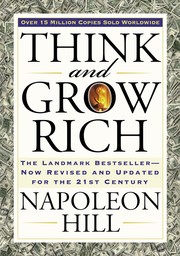
Think and Grow Rich
Hill teaches desire, faith and autosuggestion, distilling lessons from Carnegie interviews into thirteen principles for success.
2,458-word summary · 11 min read

The Life-Changing Magic of Tidying Up: The Japanese Art of Decluttering and Organizing
Marie Kondo teaches the KonMari method: keep only what sparks joy, tidied by category for a lasting home reset.
2,413-word summary · 11 min read

Maybe You Should Talk to Someone
Therapist Lori Gottlieb counsels John, Julie and Rita while seeing her own therapist Wendell after a breakup.
2,234-word summary · 10 min read

Quiet
Cain traces the Extrovert Ideal from Harvard Business School to open offices and defends the power of quiet.
2,898-word summary · 13 min read
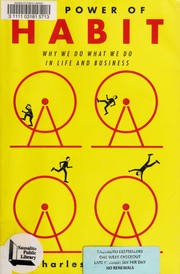
The Power of Habit
Why we do what we do: the cue routine reward loop, keystone habits, and how companies and movements use the same science, from toothpaste to the bus boycott.
2,207-word summary · 10 min read

The Subtle Art of Not Giving a F*ck
Blogger Mark Manson argues for fewer cares held better, through suffering, values, failure and saying no, with raw stories.
2,020-word summary · 9 min read