
The Lost Apothecary
2,691-word summary 12 min read 320 pages in the book
- First published
- 2021
- Publisher
- Park Row Books
- Pages
- 320
- ISBN
- 9780778311010
Reading options
What's inside (7 sections)
I picked up The Lost Apothecary because a friend pressed it into my hands and said it was two mysteries for the price of one. She was right about the shape of it. The book came out in March 2021 from Park Row Books and runs 320 pages, and it was Sarah Penner's debut. It cuts between 1791 London and present day London, and both halves circle the same hidden shop. I finished it in three sittings, mostly because I wanted to know how the old thread would snap.
The hook is simple and a little chilling. In 1791, a woman named Nella runs a secret apothecary for other women, and the remedies she hands out are not always meant to heal. In the present, a woman named Caroline Parcewell comes to London alone for what should have been a tenth anniversary trip and finds a small glass vial in the Thames mud. That vial pulls her into a piece of unfinished history about poisoned men and vanished women. The book keeps asking who gets to punish a cruel man when the law will not.
Caroline is the way in for a modern reader. She studied history and once imagined a different life with graduate school and research. At the start she is stuck in Ohio, married ten years to James, and carrying grief about infertility and a marriage that has gone quiet. They planned London together. After a sharp fight and a discovery about James that shakes her, she gets on the plane alone. I liked that Penner does not make her brave in a loud way. She is tired, polite, jet lagged, eating toast in a rented flat, trying to enjoy museums while feeling guilty for enjoying them without him.
Her London turns on mudlarking. She joins a small group on the Thames foreshore with a guide, boots and gloves, eyes down for old clay pipes and buttons and glass. She finds a little apothecary vial with an etched bear on it. It is the kind of find that looks like trash until you hold it to the light. She pockets it, washes it, and cannot stop thinking about whose hands made it. That curiosity wakes up the historian in her. She starts asking at shops and libraries, and that is how she meets Gaynor, a librarian with ties to university researchers who knows where old coroners rolls and parish papers live.
James stays mostly on the phone for a long stretch. Their marriage is worn by years of trying for a child, by his work hours, by her giving up school, by small lies that pile. Caroline does not decide anything fast. She walks, she takes photos, she writes notes about the vial. The solo trip gives her room to hear her own thoughts. Travel does that, it makes old arguments sound different in a new kitchen.
The Shop Behind the Shop
Nella's half starts in 1791 in a narrow London street where she keeps an apothecary shop left to her by her mother. From the front it looks ordinary. Dried herbs hang in bunches. Jars line the shelves. She mixes cough syrups and salves for any customer who walks in. But there is a back room for women only, and a different register kept out of sight. If a woman comes with a certain kind of trouble, a husband who beats her, a master who forces himself on a servant, a brother who stole an inheritance and left her to the streets, Nella listens and then offers a choice that is hard to read as mercy.
Her rule is plain. The poison must be for a man who has harmed a woman and will not face any other penalty. She asks for names and stories. She writes them in a small book she hides. She prepares powders and tinctures from plants she knows well, measured to sicken or kill depending on what is asked and what she agrees to give. She does not see herself as a killer for hire. She sees herself as a last door for women with no other door. Her mother taught her the trade and the caution that goes with it. No signs. No labels. No talk outside the room.
Nella lives alone above the shop with her habits set hard. She counts drops twice. She burns scraps of paper. She keeps the front shop clean so no neighbor has cause to look twice. She knows London will not be kind to a single woman in trade if gossip starts. The shop is her living and her cover.
What I found effective here is the detail of the work itself. Nella grinds seeds, strains liquids through cloth, labels nothing, washes her mortar three times. She knows which plants slow the heart and which bring vomiting and which look like fever if the dose is right. Customers come by word of mouth, often sent by another woman with a whispered direction. Nella watches their hands to tell if they are afraid or angry or both. She turns some away. That refusal matters because it shows she has a code, even if it is a dark one.
Eliza and the Wrong Bottle
Eliza Fanning is twelve and works as a maid in a grand house. She is quick, curious, and tired of being treated as if she cannot think. Her mistress sends her to Nella for a remedy, but the errand is not for headaches. The mistress wants something stronger for her husband, and Eliza is told to say only what is needed and bring back what she is given. Eliza does as told at first, but she watches everything in the shop and asks questions Nella does not want to answer.
Nella should send the girl away. Instead she keeps her close, partly to control what Eliza might repeat and partly because Eliza reminds her of herself at that age, hungry to learn how things work. Eliza starts running small tasks, cleaning jars, fetching water, learning the names of herbs. She is proud to be trusted with secrets. She also carries her own anger about how women like her are used in big houses, and she likes the idea that somewhere a woman says no on behalf of others. Penner writes her as young but not simple. She misreads adult motives in the way bright twelve year olds do, with confidence and gaps.
The turn comes from a mistake with a tincture. Nella prepares something meant to sicken, or meant for one person in one circumstance, and through a mix of haste and Eliza's inexperience the wrong strength or the wrong bottle reaches the wrong hands. I will keep the exact mechanics light because the book reveals them slowly, but the effect is that a death happens that Nella did not intend in the way she intended. A man dies who was not the agreed target, or dies in a way that draws notice, and suddenly the quiet chain of women talking to women has a loud link. Eliza understands she had a hand in it and is terrified. Nella understands her careful system has cracked.
This is the strongest part of the historical thread for me. It is not a lecture about poison. It is about apprenticeship going wrong. Nella taught just enough for Eliza to be useful and not enough for Eliza to grasp the weight of a drop more or less. Eliza wanted to prove herself and instead proved how dangerous half knowledge can be. Their scenes after the mistake are full of blame and protection at once. Nella scolds her, then shields her. Eliza lies to help, then lies to hide. Both are trying to fix something that cannot be poured back into the bottle.
When the Law Starts Looking
Once a death looks strange, men with ledgers start asking questions. An officer and a magistrate's man come around shops and houses. Talk spreads about women taken ill and men found cold. Nella burns her register pages and scrubs jars, but paper and smell linger. A client talks. A servant remembers a girl seen near the shop. Eliza's household watches her more closely. The net is not a modern police chase. It is slower, built on parish gossip, apothecary records, and men knocking on doors with authority that does not need proof to frighten.
Nella has to decide whether to run or to stay and face what she built. Running means leaving the shop her mother left her and the life she knows. Staying means risk of prison and the gallows, and risk that Eliza will be pulled in too. Nella's past comes up in pieces here. Her mother died under a cloud. Nella learned early that women who heal are praised until someone dies, then called witches or murderers. She has lived with that line her whole adult life. Now she has stepped far over it by her own choice, and the book does not let her pretend otherwise.
Eliza, meanwhile, has to grow up fast. She hides notes, carries messages she barely understands, and tries to warn women who might be named in Nella's book. She also learns that the grand house where she works is not safe for her. Her mistress will save herself first. Her master's friends will close ranks. A twelve year old maid is easy to blame. Penner is good on this fear. Eliza is not a tiny hero with a plan. She is a child running between houses with sore feet, trying to remember which lie she told to whom.
I will not spell out the final escapes and losses because the book earns them by keeping both women in danger to the end. What matters is that exposure changes their bond. Nella stops treating Eliza as an errand girl and starts treating her as someone she is responsible for. Eliza stops seeing Nella as a storybook avenger and starts seeing a tired woman who made a hard trade and must pay for it. The last historical chapters are sad in a way I did not expect, less about poison and more about two people with no family choosing to act like family.
Paper Trails in the Present
Caroline's half moves like a quiet detective story. With Gaynor's help she learns that a string of male deaths in the 1790s was whispered about as the apothecary murders and never solved. She pulls at parish burial entries, old newspapers, court notes, and maps of shops that no longer stand. She visits archives where you need pencils only and white gloves, and she gets that small thrill anyone who has done research knows, when a name in one list matches a name in another. The vial with the bear becomes a thread. Bears marked a certain maker's bottles. Where was the shop. Who kept the register. What happened to the girl listed as a witness.
Gaynor is a good foil. She is practical, funny in a dry way, and used to American researchers who arrive sure they will solve in a week what locals have puzzled over for years. She teaches Caroline how to read gaps. A missing page tells you something. A burial without a cause tells you something. A shop lease that ends all at once tells you something. Their scenes in reading rooms and cafes give the modern half warmth. Caroline, who has been lonely in her marriage, finds a friend who takes her mind seriously. That friendship does as much for her as any clue.
The research starts to braid with Caroline's private life. She learns more about James and has to decide if learning the full truth will end the marriage or reshape it. She also has to decide about school. An old professor once believed in her. A program once had a place for her. She left that path to build a stable home, and now the home feels less stable than the library does. Penner does not rush this. Caroline misses James even while angry at him. She likes London even while lonely in it. She keeps turning the vial over in her palm like a question she cannot put down.
There is a stretch where Caroline follows Eliza's traces through servant lists and finds how hard it is to track a twelve year old maid who may have changed her name. I liked that the book respects how women vanish from paper. Poor girls especially. No property, no will, no portrait. Just a mark in a church book if lucky.
What Worked and What Dragged
The dual timeline works best when both women are learning the same lesson from opposite ends. Nella learns that secret punishment spreads harm beyond the guilty man. Caroline learns that staying silent in her own life has its own cost. Female friendship carries both halves. Nella and Eliza, Caroline and Gaynor. These pairs do the practical work of hiding, finding, feeding, warning, and listening. The book argues that women kept each other alive in 1791 and still do, through paid work and unpaid care and shared knowledge. That point is made through action more than speeches, which I appreciated.
Revenge versus justice is the question Penner keeps turning. Nella believes the courts will not help beaten wives and ruined servants, and in 1791 London she is mostly right. Yet the mistake with the tincture shows how fast private justice harms the wrong person. Caroline faces a smaller, modern version. She wants James to hurt the way she hurt, then sees that getting even will not tell her what she wants from the next ten years. The book does not excuse poisoning. It shows why it tempted and what it cost. Readers who want a clear hero may be uneasy with Nella. I was uneasy, and I think that is the point.
What dragged for me was the middle, where both timelines pause to explain. Nella explains herbs and rules a second time. Caroline turns over her marriage history while walking. The pace sags around the halfway mark because research takes time and poison takes care. A few coincidences also stretch belief. A vial survives two centuries to be found at just the right moment. A librarian has just the right contacts.
The book is also gentle where some readers may want harder edges. For a story about murder, it keeps violence off the page and focuses on grief and fear after. Sex and childbirth and illness are present but not graphic. The language stays smooth and modern even in 1791 sections, with only light period texture in address and dress and street life. I did not mind, but readers who want thick historical immersion with cant and grit may find it thin. Think of it as a mystery with a love of archives rather than a portrait of Georgian London street by street.
Who is it for. Readers who like dual timelines, women's stories, and light mystery with emotional payoff will move through it fast. Book clubs will find plenty to argue about, especially whether Nella should have been stopped sooner and whether Caroline should forgive James. Readers who want a police procedural or a courtroom reckoning will be disappointed. This is about what happens before and after the law looks away. The Fox television adaptation that was in development makes sense to me because the two timelines cut like scenes, though the book's quiet archive hours would need shaping to hold on screen.
I closed it thinking about the vial. A small thing made to hold medicine, used to carry harm, then kept as evidence by mud and time. Caroline keeps it because it proves someone was there. Nella kept her register for the same reason, to prove those women were there. Both want a record that says what happened to us mattered. That wish ties the centuries together better than any twist. I did not love every coincidence, but I believed in Nella's tired hands and Eliza's sore feet and Caroline's cold mornings on the Thames, and that carried me to the end.
FAQ
Is The Lost Apothecary based on a true story?
No, it is fiction, though it uses real 1791 London settings and archive methods. Penner invented Nella, Eliza, Caroline, and Gaynor to explore unsolved murders.
Do I need to know history to enjoy it?
No. The book explains mudlarking, parish records, and apothecary work as Caroline learns them. Readers who like dual timelines and light mystery will follow easily.
What edition facts should I know?
It was published in 2021 by Park Row Books in a 320-page edition. The summary follows that text and keeps its facts aligned.
Similar books
More like The Lost Apothecary →
The Only One Left
Caregiver Kit tends mute Lenora Hope accused of 1929 family murders.
2,592-word summary · 12 min read
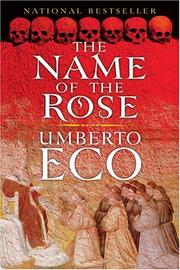
The Name of the Rose
Friar William and Adso investigate 1327 abbey deaths amid library labyrinth.
2,580-word summary · 11 min read
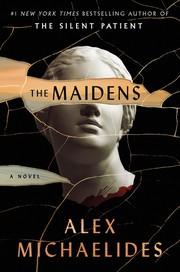
The Maidens
Therapist Mariana hunts Cambridge professor Edward Fosca after a Maidens murder.
2,234-word summary · 10 min read

The Locked Door
Surgeon Nora Davis hides serial killer father while patients die.
2,465-word summary · 11 min read

The Last Mrs. Parrish
A con artist targets a rich wife, then the marriage game turns with a hidden past.
2,018-word summary · 9 min read

The Coworker
When odd accountant Dawn vanishes, star salesperson Natalie becomes the prime suspect in a tense office thriller with turtles, lies and revenge.
2,511-word summary · 11 min read