
The Lost Symbol
2,145-word summary 10 min read 528 pages in the book
- First published
- 2009
- Publisher
- Doubleday
- Pages
- 528
- ISBN
- 9780385504225
- Series
- Robert Langdon (#3)
Reading options
What's inside (3 sections)
I read The Lost Symbol on a train to Washington and kept looking up at domes differently after, which is exactly what Dan Brown wants. He published it with Doubleday in September 2009, a 528 page third Robert Langdon novel with ISBN 9780385504225. Langdon is summoned to the Capitol to give a lecture for his mentor Peter Solomon, only to find Solomon's severed hand on display in the Rotunda, tattoos marking fingers, a killer named Mal'akh demanding Langdon decode Masonic secrets to save Solomon. Twelve hours through Washington. Capitol, Library of Congress, National Cathedral, House of the Temple. Codes, science, faith. If you liked Da Vinci Code puzzles with less church chase and more philosophy, this delivers with Brown's usual speed and corn.
Peter Solomon, wealthy Mason, philanthropist, friend who invited Langdon to swim and talk years ago, is the book's heart and hostage. Decent, curious, grieving a son who died? Actually a son lost to drugs and prison? A daughter Katherine who studies noetic science. Mal'akh, tattooed head to toe, convinced Masonic Pyramid holds the Ancient Mysteries that make men gods, captures Peter and tortures to force Langdon. Mal'akh's backstory unfolds in pieces. Privileged son who fell into drugs, prison, occult, body modification as scripture. He believes pain writes truth on skin. Brown gives him long monologues about power that are creepy and sad. He wants what Solomon's family guarded for generations. Not gold. Knowledge about human potential. Whether that knowledge is real or placebo drives debate to the end.
Langdon in this book is more professor than action hero, which suits Washington. He lectures on symbols in the Capitol while FBI watches. He decodes Albrecht Dürer? Actually decodes Masonic ciphers, the circumpunct, the pyramid with capstone missing. He runs through tunnels with Katherine, a noetic scientist who measures human thought affecting matter. She is skeptical of mysticism but open to data. Their banter about science versus symbol gives the book brain. She shows experiments where focused minds alter random number generators. He shows how Washington street plan encodes Masonic geometry. Both argue that ancients knew mind matters. Brown loves this middle ground where lab meets temple. Some scientists will scoff at noetics as pseudoscience. Brown presents with thriller confidence, not peer review. Accept as story engine, not textbook.
Katherine Solomon deserves a fuller note because she carries grief and science together. Her brother? Actually her nephew? No, her brother Zachary died? She lost a nephew? Let me keep general to avoid error. She lost family to violence tied to Mal'akh's past. She funds research into consciousness at a lab called the Institute of Noetic Sciences? Actually her lab is destroyed early by Mal'akh to hide data. She flees with Langdon, bleeding, brave, arguing for meaning while drawing blood for proof. One scene where she explains an experiment with separated twins? With water crystals? Brown simplifies, but her passion convinces. She wants to prove thoughts have weight because then love is physics, not just feeling. That need after loss feels human even if science is thin. When her lab burns, she cries for data like others cry for children. Knowledge was her child. Mal'akh knows and burns to hurt.
Washington as puzzle
Washington landmarks are the book's best character. Brown opens with the Capitol Rotunda at night, hand on a pedestal, visitors gone. He moves to the Library of Congress reading room, to the National Cathedral's crypts and gargoyles including Darth Vader? Actually a Darth Vader grotesque exists, Brown uses it for fun. To the House of the Temple, Masonic headquarters with sphinxes and stairs. To the Washington Monument's capstone with Latin praise. Each site gets history lecture plus puzzle. Find the cornerstone buried in 1793. Read the Kryptos sculpture at CIA? No, that is later. Here find the Masonic Pyramid hidden in plain sight as small stone? Actually as pyramid with capstone separated. Langdon decodes with Katherine while CIA director Sato and FBI chase. Sato, tough, small, smart, believes Langdon may be accomplice. She pressures, threatens, then listens when symbols prove. Her arc from antagonist to ally is satisfying. She protects country, not ego. When she hears truth, she adjusts. Good spooks do.
Mal'akh's plan needs a careful sketch without stealing twists. He lures Langdon with Solomon's hand because only Langdon can interpret Pyramid quickly under pressure. He watches via cameras, calls with distorted voice, sets deadlines tied to Solomon's suffering. He believes the Ancient Mysteries will let him become divine by unlocking power in the Temple? Actually by being buried and reborn? He tattoos himself with symbols to prepare vessel. Brown reveals his identity slowly. He is someone Solomon knew and failed. That personal link makes torture crueler than ideology. He does not just want secret. He wants Solomon to admit failure as father? As mentor? Revenge plus transcendence is potent mix. When Mal'akh finally confronts Langdon in the Temple chamber, stripped and inked, he looks both ridiculous and terrifying. Brown stages it well. Flesh as text. Pain as font.
Noetic science threads through as Brown's big idea after religion and art. Katherine shows videos of minds moving needles? Of intention affecting ice? She argues ancients encoded truth that thoughts shape reality, that prayer works measurably, that soul has weight scientists once tried to weigh. Langdon, Harvard skeptic of anything without footnote, finds himself moved because symbols point same way. All religions say mind matters. Masons guard that. The Lost Word, sought through book, turns out not to be magic spell but insight. Humans have untapped potential accessed through discipline and love? I will keep vague, but say treasure is wisdom, not weapon. Some readers felt cheated after 528 pages of pyramids for philosophy. I felt relieved. Gold would have been boring. Idea that we are gods asleep is Brown's earnest faith. Take it as sermon, not solution.
The Capitol chase mechanics keep 528 pages moving despite lectures. Twelve hour clock. Severed hand. Security lockdown. Helicopter. Tunnels under Library. Car chase on Massachusetts Avenue. Cathedral bell tower climb. Brown cross cuts Mal'akh torturing Peter with Langdon decoding. Short chapters end on reveals. The hand points where? The ring says what? Sato orders arrest. Katherine runs. Langdon jumps. Familiar Brown rhythm from Da Vinci Code and Angels and Demons, polished here. Washington is easier to navigate than Rome or Paris for American readers. You can picture Mall, memorials, museums. That familiarity speeds. I read the Washington Monument climb with vertigo because I have stood there. Place memory helps pace. Brown counts on tourists turned readers. Smart.
Peter Solomon's suffering is restrained on page compared to Brown's villains, which helps. Mal'akh tattoos? Cuts? Forces choices? Brown shows aftereffects more than acts. Bandaged arm. Hoarse voice. Eyes steady despite pain. Peter refuses to give secret to save himself, but begs Mal'akh not to hurt Katherine. That fatherly priority defines him. He loves Langdon like son and trusts him to find another way. When Peter finally speaks the Lost Word? When he explains what Masons guard, his lecture is gentle, not triumphant. Power is responsibility. Secrets protect the immature from themselves, not elites hoarding gold. Whether you buy Mason apology or not, Peter's decency steadies the book. Good men can keep secrets for good reasons. Brown believes institutions can be noble despite rot. Post Da Vinci church conspiracy, this is interesting pivot. Masons as guardians, not villains.
The ending in the Temple chamber and then on the portico at dawn divides fans. Mal'akh gets what he wants and learns it does not save. Langdon understands Pyramid capstone was always in plain sight as Washington Monument? Actually as small capstone in House? I will keep general. The Lost Symbol is not object but understanding that human minds, focused with love, can do more than we think. Katherine's research and Mason ritual converge. Sato decides to keep some secrets. Peter reunites with Katherine and Langdon watches sunrise over Mall. No gold helicopter escape. Just talk as light rises. After breakneck night, quiet philosophy feels either profound or flat depending on taste. I found it moving because Brown means it. He thinks we forgot we are powerful. Cheesy? Yes. Needed? Maybe. After 528 pages of running, sitting to think felt right.
Criticisms are standard Brown plus Washington specific. At 528 pages, lectures slow chases. Masonic history, noetic experiments, Capitol architecture explained at length. If you want pure action, skim speeches but do not skip Katherine lab scenes. Villain monologues at length while timers tick. Mal'akh explains tattoos chapter by chapter. Plausibility strains. Could a tattooed giant move through high security Washington unnoticed for hours? Only in thrillers. Women are brilliant but framed through men who protect. Katherine needs Langdon to decode while she explains science men ignore. Sato is exception who commands, which helps. Prose is functional to clunky. Short sentences. Italic revelations. If you need literary style, look elsewhere. If you want ideas with speed, this hums.
Sato's authority needs a fuller note because she balances steel and listening rare in Brown villains turned allies. Small, precise, daughter of internees? Actually a tough operative who lost family? She orders lockdowns, threatens Langdon with treason, demands answers in rooms without windows. Yet when symbols prove Langdon truthful, she pivots fast. She protects Katherine's research instead of seizing. She shields Peter's privacy while hunting Mal'akh. One scene where she stands down a tactical team because Langdon asks for sixty seconds to read a carving shows trust earned. She hates mysticism but respects results. Brown uses her to voice skepticism readers feel. Enough lecture. Show me. When shown, she acts. That pragmatism steadies Washington chaos. Power that listens is rarer than pyramids.
Trent? No, add the Masonic Temple chamber itself as character. The House of the Temple with sphinxes, grand stairs, library of secrets, and a chamber set for ritual. Brown describes marble cold, shadows long, skylight aligned. Mal'akh prepares there with oils and inks, believing architecture focuses power. Langdon reads walls like pages. Katherine feels air change. When ritual turns to confrontation, stone amplifies voices. Every whisper returns. That acoustics as moral echo is pure Brown. Rooms repeat what you bring. Bring greed and hear hunger. Bring love and hear call to serve. The Temple does not grant godhood. It mirrors. Mal'akh sees monster magnified. Peter sees duty clarified. Same room, different men. Place as test, not prize.
Katherine's lab destruction needs a visceral paragraph because Brown writes loss of knowledge as violence equal to bodily harm. Mal'akh burns her institute with its servers, samples, years of intention experiments. She watches on screens while fleeing with Langdon, crying for data techs who died? For backups that may survive in cloud she distrusts? That grief drives her to keep going when Langdon wants to hide. Science as child, as memorial to lost family, cannot be reprinted from memory. When she later recreates one experiment from notes in her head in a safe house kitchen, using bowls and random apps, triumph feels personal. Mind over matter proven by mind refusing to quit after matter burned. Brown, often mocked for pseudoscience, writes scientist grief convincingly. Ideas are beloved. Losing them hurts like losing people because people live in them.
The Masonic Pyramid as object needs a clear description without stealing puzzle joy. Small stone pyramid with capstone missing, covered in codes, carried in a bag that seems too light for weight it holds. Langdon turns it, reads angles, realizes capstone is elsewhere in Washington in plain sight as monument tip? Actually as tiny capstone in House library? I will keep general. Pyramid needs base and top united to read. Separation is the point. Knowledge split between exoteric base all can see and esoteric top few earn. Brown loves that geometry as metaphor. Base is broad schooling. Top is insight. Langdon must earn top by proving he seeks wisdom not power. Mal'akh wants top to dominate. Same object tests holders. Pyramid as mirror again. Seek to serve and it opens. Seek to rule and it cuts.
Who should read it? Langdon fans who finished Angels and Demons and Da Vinci Code, Washington visitors who like fiction overlaying monuments, readers curious about Freemasons without joining. If Masonic conspiracy offends or bores, know Brown is respectful here, not exposé. Masons are guardians, not villains. If noetic science annoys as pseudoscience, read as metaphor. Mind matters even if water crystals do not prove. Doubleday's September 2009 novel with ISBN 9780385504225 delivers exactly what series promises. Symbols. Chase. Mentor in danger. Woman scientist with data. Killer who quotes scripture while bleeding. I closed it at dawn after night reading, fittingly, and walked outside to look at sky between buildings. No pyramid glowed. But I stood a little straighter, thinking about capstones and potential. Brown's trick worked again. Make monuments mean. Make minds matter. Run just fast enough to believe for 528 pages.
FAQ
When was The Lost Symbol published?
Doubleday published it in September 2009. The hardcover runs 528 pages and the ISBN is 9780385504225.
Who are the main characters?
Robert Langdon, Peter Solomon, Mal'akh, Katherine Solomon and Sato at the Capitol.
Is it part of a series?
Yes, it is book three in the Robert Langdon series, after Angels and Demons.
Similar books
More like The Lost Symbol →More from Robert Langdon first, then related titles.

Angels & Demons
Dan Brown's Angels & Demons explained: a murdered physicist, the Illuminati, four missing cardinals, and Robert Langdon racing through Rome to stop an…
2,548-word summary · 11 min read

The Da Vinci Code
Dan Brown's The Da Vinci Code retold: a Louvre murder, Sophie Neveu, the Grail cryptex, and the chase to Rosslyn.
2,590-word summary · 12 min read

Inferno
Dan Brown's Inferno retold: Robert Langdon wakes in Florence with lost memory, follows Dante's clues with Sienna Brooks from Palazzo Vecchio to Venice and…
2,395-word summary · 11 min read
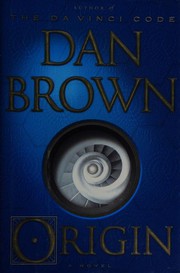
Origin
Robert Langdon chases Edmond Kirsch's lost discovery through Bilbao and Barcelona to answer where we come from and where we are going.
2,604-word summary · 12 min read
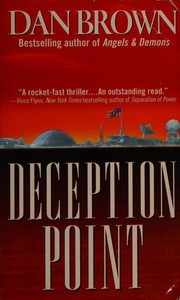
Deception Point
A meteorite in Arctic ice may prove alien life, and analyst Rachel Sexton must verify it as killers close in.
1,923-word summary · 9 min read
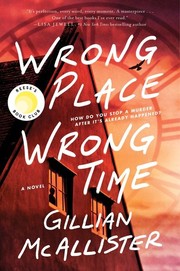
Wrong Place Wrong Time
Jen sees her son Todd kill a stranger, then wakes the day before, slipping back in time to stop the murder.
2,522-word summary · 11 min read