
The Pillars of the Earth
2,068-word summary 9 min read 973 pages in the book
- First published
- 1989
- Publisher
- William Morrow and Company
- Pages
- 973
- ISBN
- 9780688046590
- Series
- Kingsbridge (#1)
Reading options
What's inside (7 sections)
I started The Pillars of the Earth expecting a long church book and found a town that breathes. Ken Follett published it in 1989 with William Morrow and Company. The hardcover runs 973 pages. It opens the Kingsbridge series. I read it across two weeks, a section each night, and missed the town on days I skipped.
Kingsbridge is fictional, set in twelfth century England during the Anarchy after the White Ship sank with King Henry's heir. Stephen and Matilda claim the crown. Barons switch sides. Bishops deal. In a small priory town, Prior Philip plans something bold. Build a great Gothic cathedral that will bring pilgrims, work, and God closer. He has faith, debts, and enemies. That plan pulls builders, nobles, outlaws, and lovers into decades of work.
Tom Builder is the heart at first. A mason with a wife Agnes, kids Alfred and Martha, a baby on the way, strong hands and no job. He walks town to town asking for work, sleeps in woods, buries Agnes when she dies giving birth on the road. He takes in Ellen, a wild woman from the forest with a boy named Jack, because hunger makes family fast. Tom finds work at Kingsbridge and dreams of a cathedral with high arches and light. He is not saintly. He favors his blood son over Jack, drinks, envies. He is decent in a hard time, which is rarer.
Philip is the engine. A Welsh monk with clear eyes, honest to a fault, clever about money and men. He fights Bishop Waleran Bigod, who wants power more than prayer, and the Hamleigh family, who want land and mills. Philip begs loans, hires Tom, blesses stones, writes to kings. He sins by pride sometimes, loving his church more than its people for a stretch, then repents by working beside laborers. His chapters show medieval church politics plainly. Who gets wool profits. Who judges in courts. Who forgives for fees.
Jack, Aliena, and the town
Jack grows from forest boy to master. Raised by Ellen in caves and woods, he learns birds, herbs, stories, freedom. In Kingsbridge he learns letters, tools, carving. He loves Aliena from the first sight and waits years to earn her. He designs vaults, studies old Roman ruins, argues for pointed arches that let light in. His curiosity drives the building forward when money stalls. Ellen, his mother, cursed the men who cast her out, a curse folks blame for deaths. She loves fiercely and leaves when walls close, returning when Jack needs her. Her forest knowledge saves workers more than once.
Aliena carries the longest pain. Daughter of the Earl of Shiring, raised soft, raped by William Hamleigh, a cruel heir who wants her and her lands. She loses title, lives with her brother Richard, spins wool, trades, survives. She loves Jack but marries duty first to protect Richard's knighthood. Her wool business grows through fair dealing and hard travel. She counts coins, hires guards, faces William on roads and in courts. When she finally chooses Jack openly, it feels earned by work, not rescue. Her rape is written without thrill, with focus on aftermath and shame she refuses to own. That restraint matters in a book with much violence.
William Hamleigh is the villain you love to hate. Handsome, cowardly, vicious. He burns Kingsbridge, hangs innocents, rapes, bribes bishops. Follett never softens him, which some may find simple. I found him true to power without checks. His wife Elizabeth sees him plain late and acts. Richard, Aliena's brother, is brave in battle and weak in peace, always needing money for wars and horses. Jonathan, Philip's adopted son raised at the priory, grows into a builder of souls who finishes what Tom starts.
The town fills with small lives. Criers, masons, mortar mixers, cooks, prostitutes with names and jokes, monks who gamble, novices who doubt. Markets smell of bread and dung. Winters freeze mortar. Fires gut roofs. Courts take hands for theft. Pilgrims bring coins and lice. Follett stages fairs, trials, weddings, births with concrete detail. How stones are cut. How scaffolds rise. How lead is poured. How a vault falls if centering is struck too soon. I learned cathedral craft without boredom because people I liked stood under the stones.
War, fire, and law
The Anarchy frames everything. Stephen seized, Matilda lands, battles shift, earls flip. Kingsbridge must pick sides to keep its charter. Waleran backs Stephen when it pays, Matilda when she rises. Philip backs law and God, which looks naive and proves canny. William burns the town in a raid that left me sick. Houses torch, the old church falls, Tom dies under stones trying to save others. That loss mid book resets stakes. Building costs bodies, not just coin.
Law matters as much as war. Trials for murder, rape, theft. Charters for markets. Rights to mills and forests. Jack is tried for a killing in self defense. Aliena fights for her lands in church courts. Philip is accused of fornication by Waleran's lies and must answer. Follett shows courts as theater and ledger. Who pays the judge. Who brings witnesses fed and housed. Justice bends toward money unless brave people brace it. They do, at cost.
Love weaves through without softening time. Tom and Ellen's forest wedding. Jack and Aliena's long wait, consummated in woods before church allows, punished by separation. Philip's love for his priory, tested by ambition. Even William's twisted want. Sex is frank and frequent, sometimes brutal. Readers sensitive to assault should know William's crimes recur on page though never eroticized. The book does not flinch from medieval harm to women, poor, Jews, outlaws. It also shows them resisting with tools at hand. Coins, curses, courts, knives.
The cathedral rises in stages you can picture. Crypt, choir, nave, towers. Money fails. A miracle saves. A wool fair funds. A saint's bones draw pilgrims. Jack's design for pointed arches and flying supports lets walls open to glass. When light finally fills the nave, after hundreds of pages of mud and blood, I felt proud like a worker. Follett earns that glow by showing every loan and lift behind it.
What holds and drags
What holds is momentum. Short scenes, clear wants, cuts at tension. Even at 973 pages I rarely skimmed. Characters age and change. Alfred grows from bully to broken mason. Martha grows from silent girl to wise woman. Ellen grays but keeps fire. Philip learns mercy with power. Jack learns patience with genius.
What drags is length and repetition. Sieges, trials, fairs cycle. William escapes justice too often to believe, though history supports such impunity. Some dialogue sounds modern in medieval mouths. Miracles arrive when funds run dry, which can feel neat. If you want spare prose, Follett is generous, not spare. He feeds you.
I finished missing Kingsbridge mornings. Bells, bread, boots on frost. For a 1989 epic that moved Follett from thrillers to history, it still stands. It argues that building beats burning, though burning is faster. Tom dies building. Philip lives building. Jack finishes building. Aliena funds building. Even curses bend toward roofs that keep rain off children. Read it in pieces, keep a list of names, let the nave rise. You will look up at stone ceilings differently after.
Ellen, Jonathan, and the forest
Ellen deserves a fuller portrait because she mothers the book's wild heart. Cast out after loving a knight out of wedlock, she raised Jack in caves with herbs, songs, and freedom. She cursed the Hamleighs and Prior James at a trial, a curse villagers blame for deaths and fires. She loves Tom honestly, leaves when priory walls choke her, returns when Jack needs schooling. She heals with poultices, tells bawdy jokes, stands up to bishops who call her witch. Her forest knowledge, which plants stop bleeding, which mushrooms kill, which birds warn of rain, saves builders more than prayers do. Follett lets her be right about nature and wrong about holding grudges, a full person, not symbol.
Jonathan, the baby left at the priory and raised by Philip, grows into the book's quiet miracle. As a boy he questions, laughs, befriends Jack across class lines. As a monk he keeps accounts, feeds the poor first, learns letters fast. As prior after Philip, he finishes the cathedral with Jack's plans and Aliena's money. His parentage reveal late, son of Tom and Ellen's lost baby, lands softly rather than as shock. Of course the abandoned child builds the house that shelters others. Follett plants that seed early and waters with small kindnesses, so the bloom feels earned.
The forest itself acts as refuge and school. Outlaws live there, not all cruel. Poachers share meat. Hermits trade news. Jack learns to track, climb, carve, hide. Aliena hides there after William's attack, learning hunger and cold before trade. Even Philip flees there once when Waleran's men hunt him. Those green chapters smell of moss and smoke and give relief from stone dust. When characters return to town, they bring forest patience with them. Wait. Watch. Strike only to eat or protect.
Craft notes help explain why 973 pages move fast. Follett ends scenes on turns. A charter signed, then a fire starts. A wedding vowed, then riders come. A vault stands, then a wall cracks. He rotates five viewpoints so no one sags long. Tom builds. Philip prays and bargains. Aliena trades. Jack designs. William destroys. That five beat rhythm drums the book forward. Dialogue stays plain and functional, with oaths and jokes marking class. Lords speak of honor. Masons speak of loads. Women speak of money and children to men who prefer abstractions.
Faith here is practical more than mystic. Philip doubts, prays, doubts again. He steals from the rich with pardons, lies a little for loans, begs forgiveness after. Monks grumble, drink, gamble, then sing offices beautifully at dawn. Miracles, like a saint's bones bleeding or a fire sparing relics, arrive when need peaks, and Follett leaves room to read them as luck plus faith. That balance kept me, a skeptic, inside a monk's story without strain. Work as worship. Bread as prayer. Stone as psalm.
Mills, wool, and charters
Money in Kingsbridge runs on wool, mills, and markets, so those pages carry plot, not filler. Aliena's wool trade grows from one sack to caravans through honest weights and timely debts. She learns to judge fleece by touch, to store dry, to sell when prices rise before fairs. Philip needs her success because priory loans depend on town trade. Waleran and the Hamleighs try to block her with mill rights and road tolls. Each charter fight in court decides who eats in winter. Follett makes ledger lines tense by tying them to children. No wool money, no mason pay, no nave arch by frost.
Mills spark the bitterest fight. The Hamleighs own mills and force tenants to grind there for fees. Philip builds a mill to fund the cathedral, undercutting them. Lawsuits follow about water rights and ancient grants. Monks forge a charter, a sin Philip confesses with tears, to win. That forgery stains the build in ways the book does not excuse. Even holy work bends rules when hungry. Later fires and fines balance the debt, but the stain lingers usefully. Good men cheat under pressure. They repent by working harder, not by pretending clean.
Fairs and markets bring joy between lawsuits. Acrobats, pies, ale, relic sellers, pickpockets. Kingsbridge fair grows from muddy stalls to a regional draw that pays for glass and lead. Aliena shines here, bargaining in three tongues, spotting cheats, hiring guards who actually guard. Jack carves crosses that sell well enough to buy tools. Children run with ribbons. Lovers meet behind stalls. Those bright days make burnings hurt more because you tasted the sweetness first. Follett paces gloom and fair in turns to keep 973 pages breathing.
Charters themselves read like treasure maps. A market charter from the king means tolls and peace. A town charter means walls and courts. Philip chases them with bribes of prayer and coin, waiting in antechambers for hours. When Stephen signs, bells ring. When regimes change, charters wobble. The priory learns to keep copies, seals, witnesses. Paper shields stone. That lesson, that law shelters building, runs under every scaffold. Without a charter, soldiers can seize. With one, townsfolk can sue. Build with both trowel and seal.
FAQ
When was The Pillars of the Earth published?
William Morrow and Company published it in 1989. It runs 973 pages and opens the Kingsbridge series, followed by World Without End.
Where is Kingsbridge?
Kingsbridge is a fictional English town with a priory. Prior Philip plans a great Gothic cathedral there, built over decades by Tom Builder and later Jack.
Is it true history?
It covers the Anarchy after the White Ship sinking to the murder of Thomas Becket, but the town and most leads are invented.
Similar books
More like The Pillars of the Earth →More from Kingsbridge first, then related titles.

Words of Radiance
Kaladin guards Dalinar, Shallan hunts Urithiru, and the Everstorm gathers.
2,754-word summary · 12 min read

The Thorn Birds
Meggie loves priest Ralph across decades on Drogheda sheep station.
2,280-word summary · 10 min read
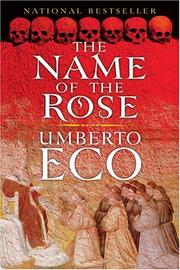
The Name of the Rose
Friar William and Adso investigate 1327 abbey deaths amid library labyrinth.
2,580-word summary · 11 min read

The Lucky One
Marine Logan finds photo lucky and seeks Beth in North Carolina.
2,590-word summary · 12 min read

The Casual Vacancy
Barry Fairbrother dies and leaves a Pagford council seat open, sparking an election, a class war over the Fields, and trouble for local teenagers.
2,571-word summary · 11 min read
Still Alice
Harvard professor Alice Howland faces early onset Alzheimer's and her family must adapt as memory fades.
2,477-word summary · 11 min read