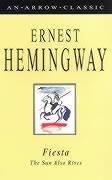
The Sun Also Rises
3,187-word summary 14 min read 251 pages in the book
- First published
- 1926
- Publisher
- Charles Scribner's Sons
- Pages
- 251
- ISBN
- 9780743297332
Reading options
What's inside (8 sections)
I picked up The Sun Also Rises because I wanted to see what Hemingway actually does when he is not being quoted on posters. I expected bullfights and drinking, and those are there, but what surprised me was how sad and funny the book feels at the same time. It is short, only 251 pages in the standard edition, first published in 1926 by Charles Scribner's Sons, and it reads fast because the sentences are plain. Under that plain surface it is about people who survived one war and do not know how to live after it.
The narrator is Jake Barnes. He is American, living in Paris, working as a correspondent for a newspaper. During the war he was wounded in a way the book never describes in medical detail but makes clear enough through his thoughts at night. He can love women, he can be tender and loyal, but he cannot have a normal physical relationship. That fact shapes everything. He drinks a good deal, works in the morning, eats well, watches people, and tries to behave decently. He is the steadiest person in a very unsteady group.
Paris in the first part feels crowded and late at night. Jake eats at restaurants, drinks at cafes on the boulevards, walks home through the early morning streets. One night he picks up a girl named Georgette at a cafe because he does not want to eat alone and she is working the bars. They take a taxi to a dance hall in Montmartre called the Bal Musette. Georgette is blunt and practical about money. Jake is polite but distant. At the Bal they run into Brett Ashley with a group of gay men she has brought dancing. Brett stands out at once. She has short hair, wears a slipover jersey and a tweed skirt, moves like someone used to being looked at, and drinks with a kind of cheerful thirst. Jake has known her in England during the war when she was a nurse. He loves her. She loves him in her way. His wound makes a normal life together impossible, so they joke and hurt each other instead.
Robert Cohn is the other early focus. He went to Princeton, boxed there, made money from a novel, and now lives in Paris with Frances Clyne, an older woman who keeps tight control over him. Cohn feels restless and romantic about life. He talks about going to South America because he read a book about it and thinks travel will change him. Jake tells him travel will not fix him because he will still be himself wherever he goes. Cohn also falls hard for Brett the moment he meets her. Frances sees it happening and fights to keep him. She corners Jake at a cafe and talks for a long time, jealous and sharp, trying to shame Cohn into staying. Soon after, Cohn leaves Frances, pays her a settlement, and starts following Brett around Paris. Jake finds Cohn both annoying and pitiable. Cohn wants life to be literary and noble. The rest of the group treats romance as a joke or a drink-fueled accident.
Brett has a fiance named Mike Campbell, a Scotsman who is often drunk and often broke. Mike is funny when he is sober enough and cruel when he is not. He fought in the war too and carries his own damage, mostly in the form of money trouble and drinking. Brett drinks, dances, and collects attention because attention proves she is still alive and wanted. One night Jake and Brett are alone in a taxi and she says she loves him, and he says he loves her, and they both know it cannot work in the ordinary way. She is going to marry Mike, she says, because she is going to be good for him, or try to be. Jake does not argue much. He has learned that arguing with Brett just sends her off to find someone else for the evening.
Count Mippipopolous, a rich Greek man who fought in several wars and carries arrow wounds to prove it, takes Jake and Brett out for champagne and a night drive. The Count is generous and calm, enjoys food and wine, and treats Brett with old fashioned courtesy. Brett likes him because he does not need anything from her. That night shows what Brett respects, which is ease and control, and also what she cannot stay with for long, because ease bores her when she is drinking.
Jake gets a letter from Bill Gorton, an old friend from America who is funny and warm and drinks as steadily as Jake. Bill is coming to Paris, then they plan to go to Spain together for fishing and for the fiesta at Pamplona. Cohn is supposed to come too, though Jake half hopes he will not. Before they leave, Brett tells Jake she has gone to San Sebastian with Cohn for a short trip. Jake feels sick hearing it, not only from jealousy but from the waste of it. Cohn thinks this trip means Brett loves him. Anyone else can see Brett is just passing time until Mike arrives and the fiesta starts.
Paris nights and tired mornings
The Paris section works because Hemingway lets small routines carry feeling. Jake files copy, eats oysters and drinks white wine, watches the crowds on the boulevards, sleeps badly. He goes to the office, talks to a colleague named Renate or to his concierge, walks home past horse chestnut trees. He prays a little in a church once, not from strong faith but from a wish to feel steady. Brett appears in bars with men around her, laughing loudly, then goes quiet with Jake.
One detail that stayed with me is how much eating matters to Jake. He notices whether fish is fresh, whether wine is cold, whether a cafe is clean. It is not snobbery. It is a way of holding on to order when his friends are messy. Cohn, by contrast, does not notice food. He notices whether Brett looked at him. Frances notices whether Cohn is slipping away. Mike notices whether anyone will lend him money or buy the next round.
I liked this part for its patience. A fair criticism is that if you want plot, Paris can feel slow. People meet, drink, argue, make plans to leave Paris, then change them. Cohn following Brett gets repetitive. Frances lecturing Jake goes on a while. But the slowness has a point. These are expatriates with too much time and too much money or too little money, and drinking fills the hours the war left empty.
Bill Gorton and the road south
Bill arrives and the tone lifts. He is the friend everyone wishes they had on a trip. He jokes about everything, teases Jake, buys drinks, makes fun of prizefighters and writers and himself. Bill and Jake take the train south toward Spain. They stop at Bayonne, admire the cathedral town, drink, sleep in a good hotel, then take a bus up into the hills to Burguete for fishing.
Burguete is cold and clear after Paris heat. They stay at an inn, eat roast chicken and drink wine, sleep under thick blankets. In the morning they walk out to a stream with lunch packed and fish for trout. Jake describes the water, the shade, the way the line feels, the size of the fish. Bill tells stories and misses fish and laughs. For a few days Jake sleeps well. No Brett, no Cohn, no telegrams about love. Just walking, eating, fishing, talking like normal men.
A man named Harris, an Englishman staying at the inn, joins them for wine and cards. He is polite and a little lonely. They enjoy his company without making promises to stay in touch forever. That restraint feels honest. Jake and Bill do not pretend the trip will save them. They just enjoy clean water and cold mornings while they have them.
Then they go down to Pamplona for the fiesta of San Fermin. Cohn is already there waiting at the Hotel Montoya. The town is filling up with peasants, dancers, drinkers, and visitors. Banners go up. Wine skins appear. The streets smell of dust and wine and sweat. Montoya, who runs the hotel and loves bullfighting with real passion, greets Jake warmly because Jake knows bullfights and respects them. Montoya introduces a young bullfighter named Pedro Romero. Romero is nineteen, handsome, serious about his work, keeps himself clean and apart from the drinking crowd. Montoya wants Jake to see that a real artist is coming up, someone who treats the ring with care.
My own reaction here was relief mixed with dread. Relief because Jake seems happy showing Bill around, explaining tickets, the encierro, the way the bulls run through the streets in the morning. Dread because we know Brett is coming with Mike, and Cohn is already jealous, and Romero is young enough to be dazzled.
Fiesta, wine skins, and bad money
Brett arrives with Mike and Cohn. Mike is already deep in drink and money trouble. He owes people, jokes about bankruptcy, asks Jake for help, then insults Cohn when he gets drunk enough. Cohn hangs around Brett, quiet and hurt, hoping she will choose him after all. Brett drinks steadily and watches everything with bright eyes. She loves the noise, the dancing in the streets, the fireworks, the running of the bulls in the early morning when the whole town seems to hold its breath.
Jake, Bill, and Mike watch the bulls run and go to the fights in the afternoon. Hemingway writes the bullfights with close attention. He names the matadors, describes passes with the cape and muleta, notes when the crowd is bored or thrilled, explains how Romero stands very straight and close to the bull while others work farther off and rely on tricks. A bullfighter named Belmonte, older and famous, appears past his best and still capable of great moments. Marcial Lalanda is skilled but the crowd favors Romero because Romero is pure and brave in a way that feels fresh.
Outside the ring the drinking gets heavier. Mike calls Cohn names, makes jokes about Cohn being Jewish and about Cohn following Brett like a steer. It is ugly and Bill tries to calm things, and Jake tries to keep the group together because he arranged the rooms and the tickets and feels responsible. Brett is kind to Cohn in private and careless with him in public. She tells Jake she is miserable, then goes dancing. Mike passes out or disappears and reappears needing cash. The fiesta that should be joy starts to feel like a long bender where everyone says what they really think and then pretends they were joking.
One short scene I keep thinking about is the wine skin on the bus and in the square, how Bill shows how to drink from it held high, how everyone laughs when wine spills down shirts. For a page or two they are just friends on holiday. Then money and jealousy return. Mike cannot pay his hotel bill. Cohn offers to help in a way that insults Mike more. Brett borrows money from Jake. Jake lends it because refusing would cause a bigger scene.
The fair criticism here is that Mike in particular can be hard to take for long stretches. He repeats himself when drunk, which is realistic but tiring. Cohn moping is tiring too. Hemingway does this on purpose to show how the fiesta exposes people, but some readers will want to shake all of them and tell them to go to bed.
Pedro Romero and Brett
Romero becomes the center of the fiesta once Brett sees him fight. She is fascinated by his youth, his focus, his manners. Montoya does not want Brett near him because he knows what the drinking crowd does to young fighters. Jake knows it too. And still, when Brett says she wants to know Romero, Jake helps. He brings Romero to the table, translates, sits while Brett flirts in bad Spanish and bright smiles. Later he goes with Brett to watch Romero in the cafe and then helps arrange for Brett to be with Romero. Jake hates himself for it while he does it. He does it because Brett asks and because refusing Brett has never stopped her anyway.
Cohn cannot stand watching Brett turn toward Romero. He has boxed, he is strong, and he has been holding in humiliation for weeks. One night he finds Romero with Brett and beats the boy badly with his fists. Romero refuses to stay down. He gets up again and again and keeps fighting with honor even though he cannot win against a bigger trained boxer. The beating leaves Romero hurt and swollen before an important fight. Cohn also knocks Jake down when Jake tries to stop him, and knocks Mike down too. Afterward Cohn is ashamed. He shakes hands, says he is sorry, cries a little, begs forgiveness. Then he leaves Pamplona. His sorry does not fix what he broke.
Romero still fights the next day. His face is marked, his ribs hurt, but he fights with control and courage. He kills cleanly and the crowd loves him. Brett watches with tears in her eyes. For a moment she imagines a different life where she helps this boy and stays steady for him. Jake watches Brett watching Romero and understands that Brett really does care in that moment, and also that it will not last because Brett cannot live the quiet disciplined life a fighter needs.
This is the strongest part of the book for me, and also the hardest to read. Jake betrays his friend Montoya and his own values by delivering Romero to Brett. He does it out of love for Brett, which makes it worse. He is a pimp, as Cohn later calls him, even if the word is cruel. Jake knows the charge is true. His wound means he cannot have Brett, so he hands her to someone who can, and then watches what it costs the boy.
Madrid and the taxi
After Pamplona the group breaks apart. Mike stays to deal with money and police and hotel bills. He and Jake say goodbye with forced cheer. Bill leaves for Paris and then America. Cohn is gone. Jake goes to San Sebastian to swim, rest, and try to forget. He eats alone, swims in the cold water, reads, sleeps. For a few days it works.
Then a telegram comes from Brett in Madrid. She is in trouble and wants Jake. He takes the train at once. He finds her in a hotel, alone, without money, having sent Romero away. She tells him she decided not to ruin the boy. She felt good deciding that, she says, and for Brett that is a real moral effort. Romero wanted her to grow her hair long and be more womanly, to fit his idea of life. She knew she could not do it for long without drinking and drifting and spoiling him. So she left while she still cared enough to leave kindly.
Jake stays with her, has a drink, listens. They eat, they talk about Mike and Cohn and money. Brett says she thinks she will go back to Mike because he needs her and at least that story is familiar. Jake does not argue. In the last scene they ride in a taxi through Madrid traffic. The policeman raises his baton, the car slows, Brett leans close. She says they could have had such a good time together. Jake answers that it is pretty to think so. The car moves on.
That ending lands because Jake is not cruel and not self pitying. He states a fact with gentleness. Wishing does not change his wound, or Brett, or the years they lost. The title comes from Ecclesiastes, about the sun rising and going down while generations pass. Jake has seen his generation rise in Paris bars and fall in Pamplona streets. He will go on working, eating, watching bullfights, being decent when he can.
If I have a complaint about the whole book, it is that women get narrow space. Brett is vivid but seen only through Jake. Frances is mostly shrill. Georgette vanishes. The men get fishing trips and long talks and inner thoughts. Brett gets entrances and exits. Some of that is Jake telling the story, and Jake admits his limits, but a modern reader will notice it. Also the drinking can feel endless, which is the point yet still wearying in the middle of the fiesta chapters.
Still, I finished it admiring how much Hemingway does with plain words. A cafe table, a trout stream, a bullring, a taxi. Jake trying to live well among people who will not. Brett laughing and then crying. Romero standing straight before the bull. Those images stay with me longer than any speech about lost youth. If you want a book that shows rather than tells what it felt like to be young after a war, start here, and read slowly when Jake eats or fishes or watches. That is where he tells the truth.
Why it still reads fresh
What keeps The Sun Also Rises alive almost a century after 1926 is not the parties. It is the code Jake tries to follow. Pay your way. Do not whine. Watch carefully. Respect people who do their work well, whether they are fishermen, waiters, or bullfighters. Do not make excuses. When he fails that code with Romero, he knows it and does not hide from knowing.
Bill gives the book humor. Mike gives it warning. Cohn gives it a mirror for romantic dreaming. Brett gives it heart and damage together. Romero gives it a standard to measure everyone else against. Put together they make a summer that feels both specific to Spain in the 1920s and familiar to anyone who has watched friends drink too much on holiday and say things they cannot take back.
I would hand this to someone who likes short sentences, clear scenes, and characters who do not explain themselves. I would warn them that little happens in the usual plot sense, and that the bullfighting pages demand patience if animals in rings bother you. Hemingway does not apologize for the ring. He treats it as art and test. You can disagree with him and still follow Jake through the week in Pamplona and understand why Jake admires Romero.
Read it for Jake first, then reread for Brett. The first time I thought Jake was only noble. The second time I saw how complicit he is, how his love lets Brett use him and use others. That double view is what makes the book more than a travel story. It is a story about wanting to be good when love and damage pull you the other way, and about learning to say, with a steady voice in a moving taxi, that some good times can only be pretty to think about.
FAQ
When was The Sun Also Rises first published?
It was first published in 1926 by Charles Scribner's Sons in a 251 page edition.
Who narrates the story?
Jake Barnes, an American correspondent living in Paris, narrates the Paris bars and Pamplona fiesta.
What happens in Madrid at the end?
Brett sends for Jake, says she left Romero to avoid ruining him, and they share a taxi.
Similar books
More like The Sun Also Rises →
A Farewell to Arms
Frederic loves Catherine in Italy until desertion leads to Switzerland and stillbirth.
2,502-word summary · 11 min read

Their Eyes Were Watching God
Janie Crawford tells Pheoby about Eatonville life with Logan Killicks, Joe Starks called Jody, and Tea Cake.
2,230-word summary · 10 min read

Mansfield Park
Fanny Price loves Edmund amid Crawfords theatricals at Mansfield.
2,389-word summary · 11 min read

All Quiet on the Western Front
Paul Bäumer enlists at nineteen and faces the trenches of World War I in Remarque's 1929 classic, told from the German side of the wire.
2,543-word summary · 11 min read

Love in the Time of Cholera
Florentino waits fifty years for Fermina: youth letters, a marriage to Urbino, hundreds of affairs, and a river trip where old love gets a last hearing.
2,204-word summary · 10 min read
Wuthering Heights
Emily Bronte's Wuthering Heights retold: Heathcliff and Cathy on the moors, two houses, two generations.
2,056-word summary · 9 min read