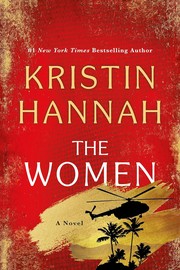
The Women
1,980-word summary 9 min read 480 pages in the book
- First published
- 2024
- Publisher
- St. Martin's Press
- Pages
- 480
- ISBN
- 9781250178633
Reading options
What's inside (5 sections)
I read The Women with a box of tissues and a history tab open, checking dates. Kristin Hannah published it February 6, 2024 with St. Martin's Press. The hardcover runs 480 pages. It follows Frances McGrath, an Army nurse in Vietnam, home to a country that spits on her. I finished it angry and tender together.
Frankie is twenty, sheltered in Coronado, California, a hero's daughter with a brother shipping out. At a farewell party a friend says women can be heroes. She enlists in the Army Nurse Corps to follow her brother and prove it. Training is quick and thin. Planes, heat, blood. She lands in Vietnam to an evac hospital with canvas walls, mortar nights, and nurses who laugh hard because otherwise they scream. Barb, Black and bold from Georgia, takes her under wing. Ethel, older and steady, teaches triage with jokes. Together they become sisters faster than family.
Early chapters do not spare. Chest tubes. Amputations. Burns. Boys calling for mothers. Frankie learns to start IVs in shaking hands, to tag the dying black and move on, to smoke between cases, to drink to sleep. She writes home bright lies. Food fine. Weather warm. Her brother dies early, a loss telegrams deliver cold. Her parents grieve him and barely see her service. Heroes, to them, are sons. That blind spot will follow Frankie home and cut deeper than shrapnel.
Vietnam sisters
Barb and Ethel carry the book's heart, so they need room. Barb speaks plain about race in the Army. White patients who refuse her hands until bleeding changes minds. Officers who promote slower. She answers with skill and sass, singing in surgery to keep rhythm. Ethel mothers with charts and threats. Sleep now. Eat. Write your mother. She covers Frankie's mistakes without shaming, then drills her till she stops making them. Their hooch talks at night, all fears and gossip and plans for after, are the warmest pages. What will you eat first home. Who will you marry. Will you nurse again.
Love comes in two forms, both costly. Jamie, a pilot with kind eyes, loves Frankie gently between missions. Rye, a surgeon with a wife back home, loves her passionately and lies smoothly. Frankie, young and hungry for comfort, falls for Rye hardest, believing promises he cannot keep. Hannah writes the affair without glamour. Stolen hours in supply tents, fear of pregnancy, shame after. When Rye dies in a crash and his wife's existence surfaces fully, Frankie's grief mixes with humiliation. Jamie waits, steady, offering a future she is too broken to take at first. That triangle never feels like game. It feels like war distorting need.
Action spikes with Tet and base attacks. Mortars walk closer. Wards fill. Frankie operates through a bombing with glass in her hair, holds a boy's hand while he dies, tags friends black and screams. She is wounded once, patched, sent back fast because nurses are short. She earns medals she throws in a drawer. Courage here is not charging. It is returning to the ward after carrying a friend out in a bag.
Hannah shows Vietnamese people briefly but with respect. An orphanage visit. A local nurse who teaches herbs. A mama san who cleans blood without flinching. The book stays American focused, which some critics note as limit. It does not excuse the war. It mourns all who bled in it while centering US nurses history long erased.
Home as second war
Homecoming is the book's gut punch and reason for being. Frankie lands to protesters calling baby killer, to airports with no bands, to a family that asks when she will settle and marry. The VA turns her away. No women in our studies. No records of your service. Jobs favor men with less triage time. She moves in with her parents, drinks, rages, crashes a car, loses Jamie's patience. Barb returns to Georgia to fight different battles with vote and voice. Ethel returns to a husband who wants the old wife, not the ward sister.
Frankie's spiral is written without flinch or preach. Pills from a friendly doctor. Bottles hidden. A suicide attempt stopped by Barb's call at the right hour. Then slow climb. A vet center with other women who were there. Group talks where she finally says I was in Vietnam and is believed. A march where men spit and women link arms. Therapy that works in pieces. Work at a clinic that values her speed. Hannah researched nurse trauma closely, and it shows in details. Startle at helicopters. Smell of diesel bringing flash. Guilt over who got black tags.
Her parents' arc mirrors the nation's. Her father, a Navy man proud of sons, cannot say nurse and hero in one sentence until late. Her mother keeps bridge club lies about Frankie studying abroad. When they finally attend a veterans event and hear nurses named, they weep and ask pardon. It comes late but lands. Families can learn new histories if they listen past comfort.
Jamie waits through much of this with letters and visits, then steps back when Frankie cannot choose health. His return late, not as rescue but as partner who did his own work, gives the romance a fair close. They do not marry in a rush. They walk, talk, plan a clinic together. Love as aftercare, not cure.
The memorial wall chapter broke me. Frankie finds names of boys she held, touches stone, leaves a photo of Barb, Ethel, and herself young in fatigues. Nearby, a student asks if women served in Vietnam. She answers yes, we were there, voice steady at last. That line is the book's thesis. Women can be heroes. Say it till records keep it.
What might test readers. At 480 pages some hospital rotations repeat. Rye as cad will anger. Protester scenes generalize complex antiwar work into spit, though Hannah notes most protesters opposed war not troops. If you want battle strategy, this is ward view only. Maps blur. Blood stays sharp.
What holds is fury and tenderness together. Hannah honors nurses with specifics. How to pack a wound. How to sing while tagging. How to write death letters for boys who cannot. For 2024 historical that topped lists, it earns tears. Read it with time. Call a veteran nurse after, if you know one, and listen. Frankie waited decades to be heard. Do not make real women wait as long.
Barb, Ethel, and the ward
Barb and Ethel need fuller portraits because they hold Frankie up and call her out. Barb, from Georgia, Black, fierce, funny, sings Aretha while packing wounds to keep hands steady. She names racism plainly when white soldiers refuse her care until shock softens them, when officers pass her over for medals. She teaches Frankie to chart everything, to demand supplies, to rest without guilt. Her letters home to her mother, full of jokes and hunger, show a daughter performing strength for family while scared. When she extends her tour to stay with Frankie, it is choice, not orders. Sisters stay.
Ethel, older, married, dry humored, runs the ward like a kitchen. She knows which surgeons shout and which teach. She assigns Frankie the hardest cases to grow her fast, then checks at night with cocoa. She hides her own miscarriage grief in work, telling Frankie only once after morphine nights blur. Her marriage strains across oceans through rare calls and changed voices. She stays professional in daylight and cries in showers. That split will feel familiar to any nurse. Care for all. Keep little for self. Repeat till break or home.
Ward details give the book its authority and deserve listing. Triage tags red, yellow, green, black. Chest tubes bubbling. IVs run wide. Blood typed fast. Helicopter dust in wounds. Malaria sweats. Leeches in boots. Monsoon mud in charts. Frankie learns to start lines in moving trucks, to intubate with shaking hands, to pronounce death and move on in ninety seconds. Hannah paces these scenes with short sentences and smells. Antiseptic, rain, diesel, vomit. Readers who faint at blood should read in daylight with breaks. Truth here does not flinch.
Rye and Jamie as foils need a clear eyed note for romance readers. Rye, married surgeon, charismatic and broken, loves Frankie in stolen hours and lies about leaving his wife. He dies in a helicopter crash that may be accident or risk taking, leaving Frankie pregnant and alone. She aborts with grief and relief mixed, a choice Hannah writes without lecture. Jamie, pilot and friend, loves her steadily, waits through her spiral, leaves when she cannot stop drinking, returns when she works recovery. He offers partnership, not rescue. A shared clinic, separate accounts, honest talks. That mature close respects readers who know love does not cure trauma but can accompany healing.
Home front protests get nuanced pages worth naming briefly. Frankie joins a march hoping for welcome and hears baby killer from students who never served. She also meets vets against the war who hug her and share counseling lists. Hannah does not paint all protesters as cruel or all troops as noble. She shows a country fractured, with women nurses erased by both sides. The VA scenes sting most. Forms marked no combat role. Benefits denied. Jobs lost to men with less experience. Those paper cuts bleed longer than mortar wounds because they say service did not count. The book exists to count it, name by name, ward by ward.
Frankie's sobriety climb gets honest pages that avoid montage. She attends women vet meetings where coffee goes cold while stories run long. She tells her overdose story flat, no drama, and listens to others without fixing. She gets a sponsor who calls at odd hours. She relapses once after her mother dies, drinks for three days, then calls Barb before dawn. Barb drives over with soup and hard talk. No shame speeches. Just showers, sheets, clinic shifts. Recovery here is dishes and rides, not epiphanies. That plainness respects real vets more than heroic arcs would.
The wall and the classroom close the book with purpose worth naming for teachers assigning it. Frankie volunteers to speak in schools, bringing photos of Barb and Ethel young in fatigues, passing around a nurse's watch that still ticks. Students ask if she killed anyone. She answers she saved who she could and lost who she could not. She leaves the watch for the class to hold. That image, teens holding time that ran through war, gives the novel its final lesson. History lives in objects carried home. Listen to holders while they breathe. Write names down. Say women were there until records agree.
Frankie's brother Finley haunts the edges in ways worth naming for sibling readers. Golden boy, Navy pilot, hero's son who enlists with fanfare while Frankie enlists in his shadow. He dies early when his plane goes down, a loss telegrams deliver in two lines. Frankie never got to ask if he was proud of her service. Her parents polish his photo while hiding hers in drawers. That imbalance fuels her need to prove. When she finally places his picture beside hers on the wall, both in uniform, she claims equal grief and pride. Brothers can be loved and still cast long shadows. Sisters step into light late, but step fully.
Hannah's own research notes, shared in interviews, mention real nurses she honored, like Diane Carlson Evans who fought for the Vietnam Women's Memorial. Frankie is invented, but the spit, the VA denials, the suicides, the delayed welcome are documented. That grounding matters when readers ask if homecoming chapters exaggerate. They do not. Women vets waited decades for a memorial and for benefits. The book's afterword lists resources for vets reading with shaking hands. If you served, call. If you love someone who did, listen longer. Fiction here points to phones that still ring.
FAQ
When was The Women published?
St. Martin's Press published it February 6, 2024. It runs 480 pages and debuted at number one on the New York Times list.
Who is Frankie McGrath?
Frances McGrath, a California girl who joins the Army Nurse Corps, serves in evacuation hospitals in Vietnam with friends Barb and Ethel.
Is it part of a series?
No. It stands alone after The Nightingale and The Four Winds, sharing Hannah's focus on overlooked women in war.
Similar books
More like The Women →
The Guernsey Literary and Potato Peel Pie Society
A London writer trades letters with Guernsey islanders after the war.
1,979-word summary · 9 min read

The Boy in the Striped Pajamas
Bruno moves to Out-With and befriends Shmuel through a camp fence without understanding it.
3,101-word summary · 14 min read

A Thousand Splendid Suns
Splendid Suns retold: Mariam and Laila share Kabul house, war, Rasheed, escape and return.
1,957-word summary · 9 min read

Firefly Lane
Best friends Tully and Kate grow from teens to adults through careers, love, and loss.
2,734-word summary · 12 min read

The Four Winds
Elsa Martinelli fights the Dust Bowl to save her Texas farm, then risks everything on the road to California.
2,099-word summary · 9 min read

The Great Alone
The Allbright family moves to Alaska in the 1970s where Ernt's PTSD and winter test Leni.
3,460-word summary · 15 min read