
The Guernsey Literary and Potato Peel Pie Society
1,979-word summary 9 min read 274 pages in the book
- First published
- 2008
- Publisher
- Dial Press
- Pages
- 274
- ISBN
- 9780385340991
Reading options
What's inside (5 sections)
I read Guernsey in letters over a rainy weekend, writing back in my head. Mary Ann Shaffer started it, and her niece Annie Barrows finished after Shaffer fell ill. Dial Press published it in 2008. The hardcover runs 274 pages. It is told almost all in letters. I finished it with tea gone cold and a list of books to find.
Juliet Ashton is thirty two in 1946 London, single, quick, a columnist who wrote a funny book about war life and now seeks a real subject. She lives with her publisher Sidney Stark, his sister Sophie, and a suitor named Mark who is handsome and dull. She gets a letter from Dawsey Adams, a Guernsey farmer who found her name in a book by Charles Lamb and wants more Lamb to read. He describes a literary society born one night when islanders, caught out after curfew with a roast pig, invented a book club to fool German soldiers. Juliet writes back curious. Then she cannot stop.
Dawsey's first letters are short and plain. He keeps pigs. He reads slowly. He loved Lamb's essays because they made him laugh after hard days. He lists society members with care. Amelia Maugery, who hosts. Isola Pribby, who brews gin and speaks blunt. Eben Ramsey, who fishes. Will Thisbee, who scowls. Clovis Foss, who thinks. The Reverend Simpless, who doubts. Elizabeth McKenna, who is gone. That last name lands with weight Dawsey will not explain yet. Juliet senses a story worth crossing water for.
Island letters
What follows is a chorus of voices, each with distinct paper. Isola writes long, funny, misspelled letters about gin, ghosts, and her parrot. Amelia writes neat, guarded notes about hosting under occupation. Eben writes brief, sea salt lines about his son who died. The Reverend writes formal apologies for judging. Dawsey writes plain truth that grows longer as trust grows. Juliet answers with London news, book ideas, questions that prod gently. Sidney advises from the side about contracts and sense. Sophie teases about love.
Occupation stories arrive in pieces, never as lecture. Germans took radios, bikes, food. Islanders ate peel pie when flour ran out, a mash of potato skins that gave the society its name. They hid a radio in a attic. They sheltered an escaped worker. They watched neighbors inform. Elizabeth, the spark of the club, spoke German from study and used it to argue with commanders, to save a friend, to comfort a dying man. She was arrested for harboring a slave worker and sent to Ravensbruck, where she died protecting a child. Her daughter Kit, four, remains on Guernsey, fierce and silent, waiting for someone to tell her mother was brave, not shamed.
Juliet's London life frays as Guernsey pulls. Mark proposes with a ring too big and a life too small. She likes him but does not love his certainty. Sidney warns her not to chase a book that breaks her heart. Sophie says go. Juliet books a boat. The sea crossing chapter, all gulls and nerves, marks the book's turn from paper to place. She means to stay a week for interviews. She stays months for life.
On island she meets the letters in flesh. Isola hugs hard and feeds gin. Amelia shows the hall where they met. Eben takes her fishing. Dawsey is quieter than his letters, broad and shy, watching her with steady eyes. Kit hides behind chairs, then shows Juliet her mother's letters hidden in a box. Juliet reads them crying in a cold bedroom. Elizabeth's voice, bright and defiant, fills gaps. Love affairs, arguments with Germans, plans for Kit. The society was not just cover. It became true. They read to survive curfews and kept meeting after liberation because books had bound them.
Love and choice
Romance grows without rushing. Dawsey loves Juliet from her first witty reply but says little. He fixes her cottage door, rows her to small islands, lends books with notes in margins. Juliet likes Mark's polish but loves Dawsey's quiet. She breaks with Mark by letter, kindly and firmly, choosing uncertainty over shine. Her proposal to stay is not grand. She asks Amelia for a room through winter, asks Sidney to postpone the book, asks Kit if she may stay as friend. Small asks that build a home.
Sidney's own arc deserves note. Her publisher and friend, he lost his partner to the war and fears more loss. He advises caution because he cares. When Juliet stays, he visits, sees Dawsey's worth, blesses the match with gruff grace. Sophie marries and writes happy letters that contrast Juliet's risk. Mark fades without villainy, just wrong fit. No one is shamed for wanting different lives. That generosity is the book's ethic. Let people pick their islands.
Kit is the key that turns Juliet from visitor to mother. Four, angry, grieving a mother she barely remembers, testing Juliet with silence and tricks. Juliet answers with stories, walks, patience. She reads Elizabeth's letters aloud, tells Kit her mother died brave. She does not try to replace. She offers to stay as second mother if Kit will have her. The adoption papers at the end, signed with Dawsey as partner, moved me more than any kiss. Family made by choice after war took blood.
What shines is form. Letters allow humor and horror side by side without whiplash. Isola on gin, then Eben on hunger. Juliet on hats, then Amelia on executions. The 274 pages fly because voices change. Book talk delights. Lamb, Austen, Bronte debated by farmers who found them under curfew. That love of reading as resistance feels true without preaching.
What sags a little. Some letters repeat island anecdotes. German soldiers blur into kind Hans and cruel others without depth. Mark is thin. If you dislike epistolary, the lack of scenes may frustrate. Action happens off paper and is reported. Still, the reporting aches enough. A pie recipe made from peels says more about hunger than battle pages could.
For 2008 historical that became a film, it holds as comfort with teeth. Read it slowly, write a letter after. I wrote one to a friend about books that saved me in hard months. Juliet would approve. Dawsey would keep it in a box with Lamb. Isola would toast it with gin. That is the society's promise. Share words. Survive nights. Meet again soon.
Elizabeth, Kit, and Sidney's edit
Elizabeth McKenna needs her own space because she haunts every letter without writing one. Bright, bold, difficult, kind in flashes. She started the society with a roast pig lie to save neighbors from arrest, then led it with books and nerve. She loved a German doctor who was kind, bore no hate for soldiers as men while hating occupation, sheltered an escaped worker at cost to herself. Arrested and sent to Ravensbruck, she died shielding a child in camp. Islanders remember her differently. Saint to Dawsey. Trouble to Amelia. Mother to Kit. Juliet pieces her through contradictory tales and loves the whole. That refusal to flatten a difficult woman into angel or traitor is the book's bravest move.
Kit, four going on five, carries the war in small body and silence. She hides under tables, bites when scared, trusts animals more than adults. She adores Isola's parrot, follows Dawsey like shadow, tests Juliet with spilled milk and lies about teeth. Juliet wins her slowly with stories, not bribes. Reading Elizabeth's letters aloud at bedtime. Walking to the beach to shout. Letting Kit pour tea badly. The adoption choice at the end is not rescue fantasy. It is two grieving females picking each other with Dawsey as partner, not savior. When Kit calls Juliet mama for the first time over a burned pie, I cried properly.
Sidney as editor friend deserves a nod for book lovers. He reads Juliet's drafts with pencil and love, cuts purple lines, warns against sentiment, finds her the Guernsey address that starts all. His letters from London about paper rations and publishing bets ground the romance in work. Books are made here, not just loved. How many pages. What price. Which dedication. When Juliet sends island chapters late and messy, he replies with patience and deadlines. That professional friendship models creative life better than lone genius myths. Write. Send. Revise. Eat. Repeat.
Dawsey's quiet courtship deserves a final tender paragraph for romance readers patient with slow burns. He never declares grandly. He mends Juliet's roof before rain. He rows her to Herm for picnics. He lends his father's watch for timing chapters. He tells Kit stories to ease her fears of new mothers. When he finally asks Juliet to stay, it is over washing up, hands in suds, voice low. Stay through winter. See if spring suits. She laughs crying and says yes. No kneeling. No ring yet. Just two practical people choosing daily life together after war taught them days are gifts. That proposal outshines ballroom scenes for me.
Isola's gin and parrot steal scenes that need a fond close for readers who love eccentrics. She brews potent gin in a shed, trades it for books, talks to her parrot as editor. Her letters ramble with charm and sudden wisdom. Grief for a lover lost in the war hides under jokes. When Juliet stays, Isola gives her a quilt stitched from old dresses, each square a story. That gift wraps the book's theme in cloth. Warmth made from scraps. Crazy like a fox, Amelia says. Wise like a friend, Juliet learns.
Eben's fishing boat offers a quiet final image for sea lovers to hold. He takes Juliet out at dawn, shows her where mines floated, where friends drowned, where gulls now dive for scraps. He speaks little, mends nets while talking, offers her a mackerel for supper. She accepts with thanks and cooks it badly at Amelia's stove while all laugh. That shared meal, fish caught that morning by a grieving father for a London writer who stayed, says more about island welcome than speeches. Eat what we catch. Stay while we mend. Belong by staying.
Juliet's final book dedication closes the circle for writers to hold. To Sidney who taught her to cut, to Sophie who taught her to love, to Dawsey who taught her to stay, to Elizabeth who taught her to brave, to Kit who taught her to mother. She signs it on Guernsey in winter with ink that smudges in sea air. That page, imagined but true to her voice, says what the whole novel proves. Stories are made from people who share roast pig and books under curfew. Write them down. Send them home.
Food in these letters tells hunger better than statistics. Potato peel pie, no flour, no butter, just skins and hope. Gorse gin. Seaweed soup. Black market chocolate split five ways. Postwar London is not much richer. Egg powder. Offal. Queues. Juliet sends parcels and receives shell buttons in return. Those swaps carry affection economies that cash cannot. Share what you have. Taste home in a bite. Remember who went without so you could eat. A recipe book could be made from these pages, seasoned with grief and humor in equal pinches.
Juliet's writing block and breakthrough mirror the island's healing in ways writers will recognize. She arrives with a biography assignment she dreads, takes notes dutifully, writes stiff pages Sidney corrects kindly. The real book grows in margins. A description of Isola's laugh. A transcription of Eben's sea story. A copy of Elizabeth's last letter. When Sidney reads the Guernsey chapters, he tells her to drop the London frame and let letters lead. She does, finding voice by listening rather than inventing. That lesson, that books come from attention more than ideas, is the novel's quiet gift to aspiring authors. Go somewhere. Ask. Write down. Stay.
FAQ
When was the Guernsey novel published?
Dial Press published it in 2008. It runs 274 pages and was finished by Annie Barrows after Mary Ann Shaffer fell ill.
Who writes the letters?
Juliet Ashton, a London columnist seeking a book subject, Dawsey Adams, a Guernsey farmer, Isola, Amelia, Eben, and the lost Elizabeth McKenna.
Did two people write it?
Yes. Mary Ann Shaffer started it and asked her niece Annie Barrows to finish. Both are credited as authors.

The Crown of Gilded Bones
Poppy, crowned queen, faces war with the Ascended after Casteel is taken captive.
2,562-word summary · 11 min read

Saga, Volume 1
Alana and Marko flee a galaxy-wide war with baby Hazel, hunted by both sides.
2,200-word summary · 10 min read
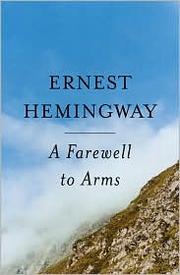
A Farewell to Arms
Frederic loves Catherine in Italy until desertion leads to Switzerland and stillbirth.
2,502-word summary · 11 min read
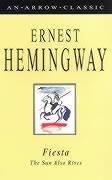
The Sun Also Rises
Jake Barnes drifts through Paris bars and Pamplona bullfights with Brett Ashley and a wounded generation.
3,187-word summary · 14 min read
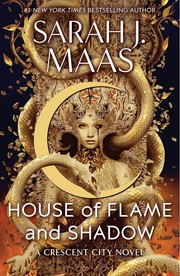
House of Flame and Shadow
Bryce lands outside Midgard while Hunt sits in Asteri dungeons and the war for two worlds builds.
2,983-word summary · 13 min read

Ignite Me
Juliette must rebuild after Omega Point falls, face Anderson, and choose between Adam and Warner as war closes in.
2,253-word summary · 10 min read