
Thinking, Fast and Slow
2,306-word summary 10 min read 499 pages in the book
- First published
- 2011
- Publisher
- Farrar, Straus and Giroux
- Pages
- 499
- ISBN
- 9780374275631
Reading options
What's inside (6 sections)
I bought Thinking, Fast and Slow after making a bad money choice I still defend at dinners. Daniel Kahneman published it in 2011 with Farrar, Straus and Giroux, in a 499-page first edition with ISBN 9780374275631. Kahneman, a psychologist who won the Nobel Prize in Economics for work with Amos Tversky, spent decades testing how people judge and choose. This book gathers that work into two characters. System 1 is fast, intuitive, emotional. System 2 is slow, effortful, logical. Most of life runs on System 1. Most mistakes do too. I read it with a pencil and argued on nearly every page, which is the point.
The opening chapters stage simple tests. Read a line about a shy person and guess his job. Librarian feels right even when base rates say farmer. See a number on a wheel and guess African nations at the UN. The random number drags your answer. Hear a list of names and judge fame by ease of recall. Fluency feels like truth. Kahneman shows these are not party tricks. Judges, doctors, investors, generals make the same swaps. Hard questions get replaced by easy ones without notice. How likely is this. How easily does an example come to mind. System 1 answers the second and reports the first.
Anchoring gets a full treatment because it is everywhere. A house price sticks. A first offer in salary talks sticks. A charity ask with high options lifts gifts. Kahneman and Tversky spun wheels, rolled dice, and watched numbers leak into guesses about utterly unrelated facts. I tested it on myself while reading. I guessed Gandhi's death age after thinking of 114 versus 35 and landed far apart both times. Knowing the trick did not kill it. That humility runs through the book. Smart people bias too. Training helps at the edges. It rarely rebuilds the house.
Availability follows. We judge risk by stories we can call up. Plane crashes beat diabetes in fear though numbers reverse the toll. Shark attacks beat ladder falls. Terror beats traffic. News feeds System 1 with vivid cases and starves it of rates. Kahneman, who lived through wars and worked with the Israeli military, writes about this without scolding. He admits his own gut misfires. He tells of officers sure a training trick worked because they praised good landings and scolded bad ones, missing regression to the mean. Praise felt causal. Math said noise. I thought of performance reviews I have given with the same error.
Loss, framing, and two selves
Prospect theory sits at the center and earned the Nobel. People fear losses more than they crave equal gains. Lose 100 dollars hurts more than find 100 pleases. That asymmetry bends choices. Offer a sure 500 versus a gamble for 1000 and most take sure money. Offer a sure loss of 500 versus a gamble to lose 1000 and most gamble. Same math flipped by frame. Surgeons know this. Say 90 survive and patients sign. Say 10 die and they balk. Lawyers, doctors, and salespeople frame for a living. Kahneman wants readers to see frames and ask for both versions before choosing.
The endowment effect grows from loss aversion. We overvalue mugs, houses, stocks, ideas once ours. Sellers demand more than buyers pay. Negotiations stall on gaps both sides feel as fair. Status quo bias keeps us in plans, jobs, and apps past use. I recognized my own drawer of old cables and my refusal to sell a weak stock because selling would lock the loss. Kahneman does not call us fools. He calls us wired to protect what we hold. Knowing the wiring lets you set rules in calm hours for hot moments. Sell at set points. Rebalance on dates. Write the rule before the itch.
Overconfidence gets a colder eye. Experts predict with narrow ranges and miss often. CEOs tell smooth stories about skill where luck ruled. Surgeons, lawyers, investors overstate odds. Kahneman tells of a textbook project he led that ran years past every forecast, including his own, because the group imagined a best case and ignored similar past projects. The outside view, how long did like cases take, beats the inside view, how will ours go. He suggests premortems. Before a plan launches, gather the team and imagine it failed, then list why. That exercise frees doubt without blame. I ran one before a home repair and cut cost by a third by hearing the failure list early.
The two selves chapter hit me hardest. The experiencing self lives minutes. The remembering self keeps stories and scores. We judge a holiday by its peak and end, not its sum. A painful colonoscopy with a gentler finish is remembered as better than a shorter one with a harsh end, though lived pain says otherwise. That quirk shapes medicine, vacations, relationships. We stay in jobs for good endings. We leave good weeks over bad Fridays. Kahneman asks which self should count. Policy often serves memory. Life is lived in minutes. I closed the chapter unsure how to weigh my own summer. Great end, mixed middle. Which wins. Both, uncomfortably.
Happiness gets careful pages. Kahneman distinguishes life satisfaction from moment mood. Money lifts satisfaction to a point, then flatlines, while daily stress follows commute, sleep, and time with friends more than income. Focusing illusions trick us. Think about California and weather fills the frame, while traffic and rent fade. Think about a car and joy fills the frame, while parking and payments fade. Nothing in life is as important as you think while thinking it. That line, plain and dry, is worth the price. I taped it to my monitor and still overrate new gadgets for a week before remembering.
What drags and what helps
This is a long book and reads like one. Five hundred pages of studies blur. Names pile. Linda the bank teller, Tom the grad student, wheel spins, urn draws, hospital mergers. Around page 300 I mixed two experiments and had to reread. Kahneman's voice stays modest and clear, but the march of findings tires. Readers who want stories may find the middle dry. Readers who want tools may find too few steps. The book explains minds more than it fixes them. That honesty is a strength and a limit.
Replication doubts also belong here. Since 2011 some famous priming studies, old faces and money cues shifting behavior, failed to repeat cleanly. Kahneman himself wrote about doubting parts of that corner. The core work on anchoring, framing, loss aversion, and base rates has held better, but not untouched. Treat the direction as firm and single flashy demos as hints. The book predates the reckoning, so it states some claims more boldly than current evidence allows. A new reader should know that without dismissing the whole. Few books survive a decade of retests this well.
What helps in practice. Slow down big choices. Ask for base rates. How often do like restaurants survive three years. How often do like remodels finish on time. Write the outside view before the inside story. Reframe gains as losses and back. Would I still buy if sold as risk. Run premortems. Keep decision logs with reasons and odds, then review. Sleep before sending angry mail. None of this is sexy. All of it beats trusting a vivid gut. I now keep a one page log for money moves. Date, choice, odds, reason. Review quarterly. My hit rate improved enough to notice, mostly by making fewer moves.
Who should read it. Anyone who hires, invests, diagnoses, teaches, or argues online. Managers will see meetings differently. Doctors will see triage differently. Parents will see teen certainty differently, including their own. Avoid it if you need quick hacks. This is slow science in plain prose, not a morning routine. Pair it with Duhigg for habits that feed cues, or with Tetlock for forecasting that tests odds. Kahneman maps the mind. Others pave paths.
I finished with more doubt and better habits, which feels like the intended trade. I still trust gut for small calls, what to eat, which route feels safe at night, when a sentence lands. I distrust it for numbers, risks, and futures. I ask for rates. I write frames both ways. I let System 2 do its slow work before System 1 files the story. The pencil notes in my copy run to forty pages. Half argue. That argument is the book's gift. Think fast when you must. Think slow when it counts. Learn, with practice, to tell which is which.
Using it at work and home
Hiring was my first test and it stung. I interviewed two candidates and felt sure about the charming one. Fluency felt like competence. Ease felt like truth. Remembering Kahneman, I scored work samples blind before talking. The quiet candidate's memo beat the charming one's stories on every count. Base rates helped too. Past hires from one bootcamp struggled in our role. I had ignored that rate because a vivid talk charmed System 1. The log forced System 2 to vote. We hired the memo writer. Six months on she leads the team in shipped fixes. Charm still tempts me in interviews. Now I make it wait until scores are locked.
Money was the second test and it saved real cash. I kept a weak stock because selling would lock loss. Loss aversion named the grip. I wrote a rule in calm hours. Sell any holding down twenty percent unless new facts arrived, review quarterly. The next dip triggered the rule and I sold, hating it. The cash went to an index fund that beat the old stock by double digits. Framing helped on buys too. A salesman pitched a warranty as protect against loss. I reframed as pay for peace and asked the base rate. Twelve percent use it. Price beat odds. I passed. Small wins, tracked plainly, compound like interest.
Home decisions improved slower because feelings run hotter there. We picked a school for our kid and fell for a tour with bright art and kind principal. Focusing illusion filled the frame. Art, smile, sun in halls. Rent, commute, class sizes faded. A friend asked for base rates. How do kids read by third grade. How long do teachers stay. Data cooled the glow. We chose the less shiny school with stronger retention and shorter drive. Mornings now run smooth. Evenings hold energy for play. The tour high faded in a week. The commute would have lasted years. Nothing in that choice was as important as it felt while feeling it, except the commute, which mattered more.
A decision log ties these together and is the most portable tool in the book. Mine is one page per choice. Date, options, odds, reason, base rate, frame flipped, decision, review date. Ten minutes for medium calls. Thirty for big ones. Review quarterly with a red pen. I mark where gut beat rates and paid, and where gut beat rates and bled. Patterns show. I overrate vivid risks and underrate dull ones. I trust confident speakers too fast. I dread sure losses and gamble badly to avoid them. Seeing the pattern in my own hand beats reading about it in print. The log is System 2 on paper, patient where I am rushed.
Friends, forecasts, and humility
Talking about biases with friends needs care or it backfires. Naming fallacies in argument feels like winning and teaches nothing. I learned to ask questions instead. What rate should we expect here. What would change your mind. If this fails, what will we wish we saw. Those lines come from Kahneman via Tetlock and trial lawyers, and they lower heat. A premortem before a joint trip saved one friendship. Imagining the trip failed surfaced money fears early. We set budgets and alone time before booking. The trip ran smooth. No one used the word bias once. Tools work best when no one feels schooled.
Forecasting small things trained my humility fastest. I predicted project dates, game scores, repair costs with ranges, then scored them. I was narrow and high on good news, wide and low on bad. Classic. The outside view fixed some. Past remodels like mine ran forty percent over. I budgeted that plus ten and landed close. Past reports like mine took three drafts. I booked time for three and stopped resenting draft two. Calibration grows with scoring, not with reading. The book says this plainly and most readers skip it. Keep score for a month. Your overconfidence will introduce itself by name.
Teaching kids these ideas works if you drop jargon. I ask my daughter for base rates as how often does this happen to kids like you. I ask for frames as say it the opposite way. I ask for premortems as imagine the tower fell, why. She rolls eyes and uses them anyway. Last month she chose a science project with a backup plan because the failure list scared her straight. That is Kahneman in sixth grade clothes. No terms, all use. System 1 will always shout first in young heads. Giving System 2 games to play, not lectures to hear, lets the quieter mind get reps.
Limits deserve a last honest paragraph. The book will not make you rational. I still anchor, availability guess, and frame flop weekly. Tired, hungry, rushed minds revert. The value is fewer big errors, not zero small ones. Some chapters overstate how cleanly labs map to life. Offices add politics, families add love, markets add others gaming your bias. Kahneman knows this and says so in asides. Read the asides. Pair the book with sleep, exercise, and checklists, unglamorous allies of clear thought. Doubt more, decide slower when stakes run high, forgive yourself the rest. That trade, more doubt plus better habits, is worth five hundred pages.
FAQ
When was Thinking, Fast and Slow published?
It was published in 2011 by Farrar, Straus and Giroux in a 499-page first edition. A paperback followed in 2013.
What are System 1 and System 2?
System 1 is quick, intuitive, and emotional. System 2 is slow, effortful, and logical. Most errors come when System 1 answers hard questions with easy swaps.
Is it part of a series?
No. It stands alone, though it draws on decades of joint work with Amos Tversky on judgment and decision making.
Similar books
More like Thinking, Fast and Slow →
Blink: The Power of Thinking Without Thinking
Fast judgments can beat analysis, and fail hard, in Gladwell's 2005 book on snap thinking.
2,008-word summary · 9 min read
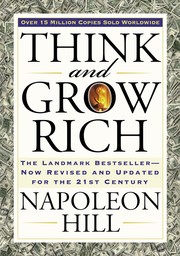
Think and Grow Rich
Hill teaches desire, faith and autosuggestion, distilling lessons from Carnegie interviews into thirteen principles for success.
2,458-word summary · 11 min read

Maybe You Should Talk to Someone
Therapist Lori Gottlieb counsels John, Julie and Rita while seeing her own therapist Wendell after a breakup.
2,234-word summary · 10 min read

Who Moved My Cheese?
A tiny parable about two mice and two little people hunting cheese in a maze, and why adapting to change beats waiting for old days to return.
2,533-word summary · 11 min read

Quiet
Cain traces the Extrovert Ideal from Harvard Business School to open offices and defends the power of quiet.
2,898-word summary · 13 min read
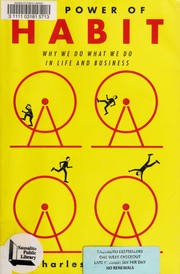
The Power of Habit
Why we do what we do: the cue routine reward loop, keystone habits, and how companies and movements use the same science, from toothpaste to the bus boycott.
2,207-word summary · 10 min read