
Reading options
What's inside (7 sections)
I started Apples Never Fall on a rainy weekend because I wanted a mystery that still cared about marriage. The 480 page Henry Holt hardcover, published September 14, 2021, ISBN 9781250220257, gave me both. A mother vanishes. A father says little. Four adult children compare notes and realize they grew up in different houses. I finished it in three days and called my brother after, which is my private test for family novels.
Joy and Stan Delaney ran a tennis school in Sydney for decades. They coached kids, argued about backhands, sold the business, retired to a house with a pool. They have four children. Amy, the eldest, drifts between jobs and partners and crystals. Logan, the steady son, stayed close and works with boats. Troy, the finance brother, lives in London and counts everything. Brooke, the youngest, works as a physio and still seeks praise she never quite got. The siblings text in a chain full of jokes and old scores. I liked how lived in that chain feels. Someone replies too fast, someone answers two days later with a meme, and old jokes about second serves pop up when nerves run high. You learn the pecking order in three pages.
The trouble starts with a knock. A young woman named Savannah appears at the Delaney door late, crying, saying her boyfriend hurt her. Joy takes her in for nights that turn into weeks. Savannah cooks, cleans, listens. Stan finds her too perfect. Joy finds her useful company while Stan golfs. Then Joy disappears. A text to Amy says she left with plans. Her phone goes silent. Her bike stays. A bloodied cap? No, a missing person report grows. Stan tells police Joy went to visit a friend and cannot name the friend. His shirt has blood. His story wobbles.
Four scorecards
Moriarty structures much of the book as competing memories. Each Delaney child remembers tennis lessons differently. Amy remembers being pushed hardest and quitting in tears while Stan shouted about footwork. Logan remembers being praised for calm and then ignored when he stopped winning. Troy remembers money talk, fees, scholarships, and a father who kept ledgers of costs per child. Brooke remembers injuries taped up too fast and a mother who smiled through pain to keep the school running.
Those chapters work because tennis gives the family a language. Love meant extra drills. Anger meant silent car rides. Apology meant ice cream after losses. As adults, the kids still keep score. Who visited most. Who called on birthdays. Who got the bigger loan. When police ask when they last saw Joy, each answers from their own court. Dates slip by days. Small lies surface. Not alibis, just the usual family editing. I recognized my own habit of rounding childhood stories to favor myself.
Stan gets the least generous early portrait and the most interesting late one. He is gruff, literal, bad at feelings. He coached girls to win and boys to endure. He kept Savannah at arm's length because strangers in the house broke his routine. After Joy goes, he cleans obsessively, burns food, forgets to lock doors. Neighbors report shouting the week before. Police find his fingerprints on things that look bad out of context. Moriarty lets you suspect him for a long stretch without making him a cartoon. He is the kind of man who would hide a body badly and confess worse.
Joy, seen in flashback, is warmer and more tired than her children knew. She loved coaching small kids who tried hard. She managed books, bookings, and Stan's temper. She drank a bit more after retirement. She missed being needed. Savannah filled that gap fast. Joy told a friend she felt young again teaching someone from zero. That line hurt to read. Retirement had left her without a role except wife, and wife to Stan had grown thin. I kept thinking of my own mother after she stopped working, restless at 4 pm with dinner already made.
The school that raised them
Stan and Joy built Delaneys Tennis Academy court by court behind their home in suburban Sydney, starting with two cracked hard courts and a shed for spare rackets. Stan had been a decent tour grinder, good enough to know the grind and blunt enough to teach it. Joy had the softer game and the sharper eye for frightened ten year olds. Together they turned after school groups into a small empire. By the nineties they ran holiday clinics with forty kids, Saturday comps with sausage sizzles, and private lessons at six in the morning under lights that buzzed.
I loved these chapters because they show how work became family culture. The Delaney kids grew up as ball kids, then hitting partners, then assistant coaches paid in pizza and petrol money. Amy could string a racket at twelve. Logan could calm a crying eight year old before a tiebreak. Troy kept attendance sheets without being asked and later kept the fee ledgers. Brooke taped ankles and learned basic physio on the bench. Their friends were students. Their holidays were tournaments in Wollongong and Brisbane, long drives with Stan quizzing on scores and Joy handing out cut oranges.
Joy handled bookings, money chasing, uniforms, and the parents. That last job wore her down. Moriarty nails the sideline dads who thought shouting helped and the mums who paid late then asked for extra sessions free. Joy smiled, Stan snapped, then they argued in the kitchen after. He thought toughness made champions. She thought kindness kept kids in the game longer. Both were right often enough to keep the school full. One former star, Harry Haddad, almost made it pro, and his framed photo in the hallway becomes a quiet sore point, proof of what the school could make and what it cost.
Short version for a friend: the school paid the mortgage and set the rules. Love meant showing up early. Respect meant not questioning line calls in public. The kids learned those rules so well they still follow them at thirty five.
When they sold to a young couple with energy and a ball machine that actually worked, the street noticed. The sign came down. The courts got repainted blue. Stan still walked out to check the lines in the morning out of habit. Joy missed the noise most, the thump of balls and kids calling her Mrs Delaney. Retirement gave them a clean pool and too much quiet. That quiet is why Savannah mattered so much when she knocked. She brought noise back.
Savannah
Savannah is the engine of suspicion. Her story changes. First she fled a boyfriend. Then foster care. Then a brother. Documents do not match. She knows tennis terms oddly well for a stranger. She knows the Delaney house layout too fast. Logan finds her gear in odd places. Brooke finds her medical knowledge sharp. Amy likes her anyway because Savannah listens without ranking. That divide among siblings feels real. One person's red flag is another's rescue.
I will not spoil where Savannah goes, but the book plays fair with clues. Receipts, phone logs, a bike ride, a kitchen knife. Moriarty plants objects early and pays them late. The police procedural parts are solid without taking over. Detectives are patient, diverse in age and style, unimpressed by wealth. They interview each child separately and compare. They check Stan's car, Joy's messages, Savannah's past addresses. Forensics returns slow and partial, as in life. No magic lab saves the third act. My friend who watches crime shows asked if this part drags. It does not. It steadies.
Police work without shortcuts
What I appreciated is how normal the police work feels. After Amy files the missing person report, two uniformed officers do the first house check. They walk the rooms, note the unmade bed, the phone charger left behind, the bike still in the garage. Then detectives step in. They interview Stan at the kitchen table, then again at the station when his first version slips. They ask each sibling separately when they last spoke to Joy, what was said, can you show the call log. They do not compare notes in front of them.
There is a scene I kept thinking about where Logan is asked to walk through the house and say what looks wrong. He notices Joy's good handbag still on the hook and her runners gone, a mismatch that sits oddly. Short paragraph, long pause. Brooke is shown photos of the kitchen and asked about blood marks and a nosebleed. Amy is asked to read her last texts aloud, which embarrasses her because they are short and distracted. Troy tries to help by sending bank statements and timelines, and the detective thanks him flatly and tells him to stop calling every day. It reads true. Helpful families still annoy tired police.
Forensics takes time and gives little. The lab confirms blood on Stan's shirt is Joy's but cannot say when or how it got there. Fingerprints show Savannah was in the house, which everyone knew. Phone records show Joy's mobile went dark near Pittwater Road, then nothing. A neighbor's doorbell camera catches a car at 9:14 pm, blurry. No clear plate. The detectives chase Savannah's claimed addresses and find gaps, a short term rental paid in cash, a cafe job that ended without notice, a clinic visit under a different surname. Each lead needs paperwork, waiting, a second visit. Moriarty lets days pass with nothing new, which builds pressure better than a chase would.
The press hovers at the edges. A local reporter calls Brooke at work. A TV crew films the house from across the street. Stan wants to yell. His lawyer tells him to make tea and answer in short sentences. I found this part honest about both sides. Police look slow when you want speed, and rushed when you want care. The book lets them be careful and tired rather than brilliant.
The middle sags a little when tennis anecdotes pile. Matches blur. Names of students stack. A few coaching scenes repeat the same point about pressure. Readers who do not care about sport may skim. I cared enough because I played badly as a kid and knew the car ride home after losing. Still, 480 pages could have lost 30 of drills. The family talks carry more weight than the trophies.
What lifts the book is how Moriarty handles marriage after 60. Stan and Joy loved each other in motion, through lessons and drives. Stillness exposes cracks. Stan watches news loud. Joy rearranges drawers. They bicker about money, about Savannah, about who forgot what. Old infidelities surface, not as shocks but as worn stones. A kiss years ago. A flirtation with a parent of a student. Joy kept score quietly. Stan forgot he played. That asymmetry, more than any affair, explains the bad week before she left.
What the kids owe
The siblings' adult lives get full subplots, which I liked. Amy runs a small business selling earrings and affirmations, dates a kind man she keeps pushing away, and finally tells her family she was assaulted years ago and never named it. The scene where she tells Brooke first, in a parked car, is plain and strong. No swelling music. Just two sisters breathing. Logan deals with a work injury and a girlfriend who wants clarity he cannot give. His steadiness cracks in useful ways. He admits he stayed near home to be the good son and resents the role. Troy flies in, throws money at problems, learns his London polish does not impress detectives. His marriage strains under distance and old competition with Logan. Brooke treats athletes, hides a chronic issue, and realizes she chose a caring job to earn the care she missed.
These threads connect to the mystery without feeling forced. Amy's past explains why she believes Savannah fast. Logan's guilt explains why he doubts Stan slowly. Troy's spreadsheets help track Savannah's lies. Brooke's medical eye spots what police miss in photos. Each skill pays off once. Moriarty respects the rule that every backstory should do work.
The last hundred pages move quickly. Savannah's real history arrives in a rush of records and calls. Stan's bloodied shirt gets an ordinary explanation that still leaves him looking thoughtless. Joy's text gets a second reading. A neighbor's camera fills a gap. The final scene between Joy and Stan, in a kitchen after months apart, is not romantic in a young way. It is two older people deciding whether to keep score or keep company. I found it moving because it refuses a clean win. Someone hurt cannot be unhurt by answers.
Content notes. Missing person fear, police interviews, domestic tension. Past assault disclosed by an adult child. Alcohol use. No graphic sex. Language mild with some Aussie swearing. Tennis injuries described briefly. The tone stays domestic suspense rather than thriller gore.
Practical tip. Keep a simple list. Amy, Logan, Troy, Brooke with one line each. Note Savannah claims as they change. The book jumps in time; chapter headers help if you trust them. Do not rush the first Savannah week. Small kindnesses there return as evidence later.
I closed the Holt hardcover thinking about the title. Apples never fall far from trees, coaches say about talent. Moriarty asks what else travels short distances. Temper. Silence. Ways of loving that bruise. The Delaney kids each carry Stan's stubbornness and Joy's service. They also each refuse one piece. Amy refuses ranking. Logan refuses leaving. Troy refuses needing. Brooke refuses complaining. Those refusals, more than forehands, decide who they become. Joy's vanishing forces a count. Not who won most matches, but who called back, who sat in waiting rooms, who learned a new way to love old people. That count felt honest, and it stayed with me longer than the solution to where she went.
FAQ
When was Apples Never Fall published?
It was published September 14, 2021 by Henry Holt and Co. The hardcover runs 480 pages with ISBN 9781250220257.
What is the setup?
Joy Delaney disappears after a stranger knocks on the door. Her husband claims innocence while their adult children dig into old matches, money, and memory.
Is it part of a series?
No. It is a standalone family mystery, separate from Big Little Lies, though it shares Moriarty's Sydney setting and sharp domestic eye.
Similar books
More like Apples Never Fall →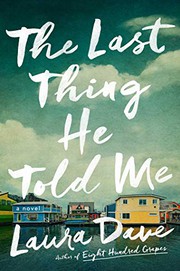
The Last Thing He Told Me
Hannah Hall gets a note saying Protect her, then her husband vanishes and she must team with his teen daughter to find why.
2,951-word summary · 13 min read

What Alice Forgot
After a gym fall erases ten years, Alice, 39, wakes as her 29 year old self and must relearn her three kids and failing marriage as a stranger.
2,495-word summary · 11 min read

Nine Perfect Strangers
Nine guests enter Tranquillum House for ten days while director Masha hides smoothies and motives.
2,313-word summary · 10 min read

The Husband's Secret
Cecilia finds a letter meant to be opened after her husband's death, and reads it while he lives.
1,985-word summary · 9 min read

Big Little Lies
In Pirriwee three mothers collide over school, marriage, and secrets until a trivia night death forces the truth about Perry abuse, Celeste fear, and Jane past.
2,582-word summary · 11 min read
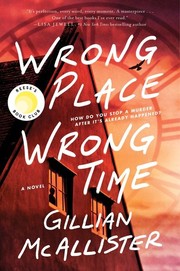
Wrong Place Wrong Time
Jen sees her son Todd kill a stranger, then wakes the day before, slipping back in time to stop the murder.
2,522-word summary · 11 min read