
Reading options
What's inside (8 sections)
I picked this up because Big Little Lies made me trust Moriarty with messy family stories. I expected something light about amnesia. What I got was sadder and funnier than that, and it stuck with me for days after I finished. I read most of it on the couch with tea going cold, flipping back to check dates because I kept forgetting, along with Alice, which year we were in.
The setup is simple and cruel in a good way. Alice Love falls off an exercise bike at the gym and hits her head. When she comes round she thinks she is twenty nine, newly married, and pregnant with her first child. She is actually thirty nine, a mother of three, in the middle of a bitter split from her husband Nick. She has lost ten years. First published in Australia in 2009, the book follows her as she tries to live in a life she does not remember building.
What hooked me right away was how physical the confusion feels. She does not recognize her own body. She is thinner, fitter, dressed in clothes she would never have bought at twenty nine. Her legs ache from routines she does not remember learning. Nurses call her Mrs Love and ask about school pickup. She keeps waiting for someone to say it is a mistake. When Nick walks in, handsome and tired and wary, she lights up because to her he is still the young guy who left love notes in her lunch. He looks at her like she might be acting. That first hospital scene does a lot of work without shouting.
The Fall at the Gym
Alice goes to a regular spin class and comes off the bike. It is not dramatic. No car crash, no coma for months. She faints, hits her head, and wakes believing it is 1999. She remembers Nick struggling in a junior job. She remembers sharing a small flat with bad carpet. She remembers wanting a baby. She does not remember the house with the pool, the private school fees, or the lawyers.
Moriarty keeps the medical part low key. Doctors say rest, no stress, memory may return in flashes. No miracle cure talk. Alice goes home with her sister and mother fussing, and the house feels like a hotel someone else picked. Photos on the wall show her holding kids she does not know. There is a dog she does not remember choosing. A fridge calendar full of initials and times. She stands in the kitchen and cries because she cannot find the mugs.
I liked that the book does not turn this into a puzzle to solve fast. Alice gets flashes. A smell brings back a birthday party. A song brings back a fight in a car. But most days she just has to ask. She asks a neighbor who she is supposed to hate. She asks a teacher what her daughter is like. It is awkward and often funny, because twenty nine year old Alice is loose and warm and says what she thinks. People keep telling her she changed a lot in ten years, and not always in a kind way.
One detail that stayed with me was the gym bag. Her gym bag has expensive sunglasses, a phone full of contacts she does not know, and a key to a house that feels wrong. She keeps the old image of herself in her head, soft and pregnant and laughing with Nick on a couch. The gap between that girl and this woman is the whole book.
A Stranger in Her Own House
Home is the hardest part. Three kids call her Mum and watch her for cues. The oldest is a bright, take charge girl who makes lists and corrects pronunciation. The middle child is softer and quicker to tears. The youngest is still little enough to climb into her lap without asking. Alice loves them on sight and also feels like a babysitter who got the job by mistake. She forgets pickup times. She packs the wrong lunch. She does not know who is allowed sleepovers.
Moriarty writes the school run well. Other mothers know Alice as the organized one, the one who runs fundraisers and remembers allergies. Young Alice was never that person. She was the friend who forgot birthdays and brought chips to dinner parties. So when she chats at the gate, people blink. One mum tells her the lemon meringue pie plan is still on, and Alice has no idea what that means. Another asks if Nick has signed the papers yet, and Alice laughs because she thinks it is a joke about a mortgage.
The house itself tells a story. Big bedroom with Nick's side emptied. His shirts gone. A spare room with boxes. Alice finds cards she wrote that sound cold. She finds emails she sent that sound sharp. She keeps thinking, I would never say that. Her mother tries to explain that tired parents say hard things. Her sister says less, which says more.
There are sweet beats here. Alice reads bedtime stories in funny voices and the kids stare because apparently she stopped doing that years ago. She sits on the floor and builds Lego and loses track of time. She learns which child likes crusts cut off and which one pretends not to care but does. Those small scenes earned my trust. They show love without speeches.
A fair knock, though. The kids sometimes feel written to prove a point about busy mothers. The oldest is very composed for ten. The middle one has perfect one liners. Real kids repeat themselves and get bored. These three are always on theme. I forgave it because the emotion lands, but I noticed it.
Nick and What Broke
Nick is the center of the ache. At twenty nine he was sweet and a bit lost, working long hours in a job that did not fit, crazy about Alice. At thirty nine he is successful, runs the company where he once felt small, and is exhausted by the fight over the kids and the house. He is also seeing the start of a new life without her. When Alice looks at him with young love, he does not know what to do with it.
The book lets their past leak out slowly. They were happy, then busy, then tired, then angry. Money helped and also made things strange. Bigger house, better schools, more pressure. Alice became efficient and controlled. Nick worked late. They stopped asking how the other day went and started keeping score about who did more. Little hurts piled up. A missed anniversary. A harsh word after a school meeting. A weekend where they barely spoke.
Moriarty is good on how divorce talk sounds. Polite in front of the kids, clipped behind doors. Lawyers copy in both of them. Friends take sides without saying so. Alice hears from others that she wanted the split, that Nick begged for counseling and she refused. Young Alice cannot square that with the man who used to dance with her in the kitchen. She keeps touching his arm like she can pull the old marriage back.
There is a boyfriend in the present, a decent school dad who is kind to Alice and good with the kids. He is patient in a way that makes you feel sorry for him, because Alice lights up only when Nick is near. I thought those scenes were handled with care. The boyfriend is not a villain. He is just not Nick. Alice feels guilty about that and also confused, because she does not remember choosing him.
My criticism here is that Nick stays a bit sealed. We get his tiredness and his love for the kids, but fewer of his faults up close. The story is Alice sided, which is fair, but it means the marriage break reads a little one sided at times. I wanted one raw chapter in his voice. We get glimpses instead, through arguments and through what others report.
Elisabeth, Barb and Gina
The book widens through Alice sister Elisabeth. Elisabeth and her husband have been trying for a baby for years. They have done rounds of treatment, spent money they did not have, and grieved in private while everyone asked when they would start a family. Elisabeth writes long letters she does not send, addressed to a therapist, where she says the sharp true things she cannot say out loud. Those letters were my favorite parts.
Elisabeth loves Alice but they are estranged. At twenty nine they were close, calling every day, sharing clothes and secrets. At thirty nine they barely speak. Alice does not know why. Elisabeth is prickly and tired and feels judged by mothers at family events. Alice, with her three healthy kids, once said careless things about infertility without meaning to be cruel. Young Alice is horrified to learn that. She keeps trying to fix it with hugs, and Elisabeth keeps stepping back.
Their mother Barb adds lift. At twenty nine Barb was shy and widowed and careful. At thirty nine she has married Nick father, taken up salsa dancing, and started wearing color. Alice is stunned. She remembers a mum who boiled vegetables to death and worried about bills. Now Barb laughs loud and goes on weekends away. It is one of the nicest threads, because it shows change can be good. People can loosen with age, which felt hopeful.
Then there is Gina. Young Alice assumes Gina must be Nick mistress, because everyone goes quiet when Gina is named and because Alice senses Gina sits between her and Nick. The truth is heavier. Gina was Alice best friend, funny and bold and a little wild, who died in a car accident. Alice organized a giant school fundraiser in her honor, an attempt to bake the largest lemon meringue pie on record, to keep her close. But Alice also learned late that Gina was not perfect, and that friendship had its own cracks. Grief plus guilt is a hard mix, and Moriarty lets it sit without tidying.
If I have a complaint about this section, it is pace. Elisabeth letters are strong but long, and they pause Alice forward motion. Twice I put the book down during a letter sequence and had to push to pick it back up. It pays off, but readers who came for amnesia may fidget.
The Lemon Meringue Pie and Coming Back
The pie project sounds silly and ends up moving. Mothers from the school grate pastry, argue about ovens, and try to do something kind with their hands because words fail. Alice, who does not remember Gina death, has to lead it while learning why she started it. She tastes filling and cries in a school kitchen. Women she thought were rivals hold her elbows and tell her to breathe. For a book about forgetting, there is a lot about how groups remember for you.
Memory returns the way Moriarty promised, in bits. Alice remembers a fight with Nick on a holiday where both said things they meant and did not mean. She remembers a night with Gina laughing so hard they could not drive, then a later lunch where envy slipped in. She remembers holding her newborn daughter and feeling scared rather than instant joy, then feeling ashamed of the fear. None of these flashes arrive with labels. She misreads some at first, which felt true. When you remember after years, you do not get clean video. You get heat and noise.
The last third asks the right question. Not will she get her memory back, but which Alice does she want to be. Young Alice was kind but aimless, quick to laugh, slow to plan. Older Alice got things done but cut people with her mouth and forgot to play. Living as the young one inside the old life lets her see the cost of ten years of small choices. She starts writing notes to herself. She apologizes without making it about her. She tells the kids she is learning them, which is braver than pretending.
I will not spoil the final choice about Nick and the papers. I will say it avoids cheap twists. No sudden new villain, no lost letter that fixes all. There is a quiet scene in the kitchen that I thought was perfect, where Alice and Nick talk like parents rather than lawyers and remember why they liked each other before they built a life that buried them. It is not grand. It is dishes and school shoes and a joke about burnt toast. I teared up, which annoyed me in a good way.
What Works and What Wears Thin
What works is voice. Alice at twenty nine is a delight, curious and blunt, always touching people when she talks. Alice at thirty nine, seen through others, is competent and tired and a little feared at school meetings. Watching one inhabit the other lets Moriarty say things about marriage and motherhood without lecturing. The jokes land. The birthday party chaos, the lost library books, the passive aggressive group texts. I laughed out loud twice.
What works almost as well is Elisabeth. Her account of treatment cycles, hope and blood tests and forced smiles at baby showers, is specific and respectful. Her marriage strains in ways that echo Alice and Nick but with a different weight. Her husband is kind and also at his limit. Those pages will hit hard for anyone who has waited for news that never came.
What wears thin is neatness. A few turns line up too well. A forgotten incident resurfaces just in time to explain a cold shoulder. A side character arrives with exactly the info Alice needs. The school mums soften right on cue. Life rarely times its lessons that well. Moriarty mostly earns the coincidences through feeling, but I spotted the strings twice near the end.
The other knock is length in the middle. The book runs 432 pages in the US hardcover, and the stretch where Alice tours her old fights could lose twenty pages. Some scenes repeat the same beat, Alice learns she was harsh, feels bad, tries softer. I got the point early and wanted plot to move. Friends who love character study will not mind. I minded a little on a busy week.
Still, I closed it fond of Alice in both ages. It made me check my own habits, the way I answer my partner when I am tired, the jokes I skip because there is laundry. I texted my sister after finishing, which is probably the best review I can give. If you like family stories with humor and a soft center but real teeth, this one is worth your evenings. If you want fast twists or a cold eye, look elsewhere. This book wants you to feel warm and slightly bruised.
FAQ
What causes Alice memory loss in What Alice Forgot?
She falls off an exercise bike at the gym, hits her head, and loses ten years. She wakes believing she is 29 and pregnant with her first child.
Who is Gina in What Alice Forgot?
Gina was Alice best friend who died in a car crash. Alice leads a school drive to bake a record lemon meringue pie to honor her.
When was What Alice Forgot first published?
It was first published in Australia in 2009. The US Putnam hardcover edition followed in 2011 with 432 pages.
Similar books
More like What Alice Forgot →
Apples Never Fall
A retired tennis coach vanishes, and her four children rethink their family story.
2,315-word summary · 10 min read

Big Little Lies
In Pirriwee three mothers collide over school, marriage, and secrets until a trivia night death forces the truth about Perry abuse, Celeste fear, and Jane past.
2,582-word summary · 11 min read

Terms and Conditions
Declan must marry to inherit, so he offers his assistant a deal with rules.
2,695-word summary · 12 min read

Romancing Mister Bridgerton
Colin Bridgerton returns and discovers Penelope Featherington is Lady Whistledown.
2,388-word summary · 11 min read

Yours Truly
Divorced ER doctor Briana Ortiz fake dates anxious newcomer Jacob Maddox, trading honest letters while her brother waits for a kidney donor.
2,475-word summary · 11 min read
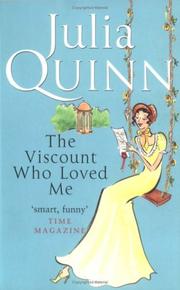
The Viscount Who Loved Me
Anthony Bridgerton vows to marry without love until Kate Sheffield challenges him at every turn.
2,666-word summary · 12 min read