
Reading options
What's inside (5 sections)
I read Dark Places in three nights with all lights on, not because of ghosts but because people are worse. Gillian Flynn published it May 5, 2009 with Shaye Areheart Books. The hardcover runs 349 pages. It sits between Sharp Objects and Gone Girl. I finished it feeling wrung out and impressed.
Libby Day is thirty one, broke, mean, tired. At seven she hid in a closet while her mother Patty and sisters Michelle and Debby were murdered in their Kansas farmhouse in 1985. Her brother Ben, fifteen then, was convicted on her child testimony about devil worship. Now the charity money from well wishers has run out. Her lawyer has moved on. She steals from clerks. She lies to landlords. Then the Kill Club calls. True crime hobbyists obsessed with the Day murders offer cash for memories and help proving Ben innocent. She says yes for money and stays for truth she buried.
Libby narrates now with a sour funny voice. She hates farms, mornings, hugs. She drinks too much cheap wine. She judges everyone and likes almost no one. Yet she shows up. She meets the club leader Lyle, kind in a nerdy way, who pays her per interview and drives her to places she swore never to see. She visits Ben in prison, grown and tattooed and still sad, who says he did not do it but will not say much more. She tracks old names with a stolen address book and a burner attitude. Each visit costs her sleep. Each dollar keeps lights on another week.
1985 then
Chapters from January 1985 alternate with now and carry the book's weight. Patty Day, poor and proud, raises four kids on a failing farm with debts piling. She cleans houses, sells little, hides notices from kids. Ben, fifteen, smokes weed, listens to metal, dates Diondra, a fierce older girl who claims pregnancy to trap him. Michelle, nine, sweet and worried. Debby, small. The house smells of cold and beans. Snow presses windows. Patty loves hard and yells tired. She borrows from her father Runner, a drunk schemer who steals from family as fast as he hugs.
Ben spirals through satanic panic that feels painfully period. Teachers warn about metal lyrics. Cops eye his posters. Diondra pushes him to petty arson and animal cruelty to prove love. He breaks into houses for cash. He skips school. He cries in his room while music blares. He did not kill, but he looked like someone who could to a scared town. Flynn writes teen drift without romance. Boredom plus poverty plus a needy girlfriend equals bad choices that look like evil from outside.
Diondra is the live wire. Sixteen, pregnant maybe, furious at parents, at school, at Ben's softness. She tells Ben to run with her to the city, to steal from Patty, to scare his mother into giving cash. The night of the murders she is there, though what she does unfolds slowly. Krissi Cates, a young girl coached by a fame hungry mother, accuses Ben of molestation that never happened, adding fuel. Runner owes money to thugs who threaten Patty. The farm holds debts, lies, and teen hormones in one cold box. Something had to break.
The murder night itself Flynn reveals in pieces to avoid gore show. Patty wakes to noise, fights hard for her kids, dies trying. Michelle and Debby die in beds. Libby runs to hide after seeing flashes she misreads as devil men. Ben flees with Diondra. Police find satanic books Ben owned and stop looking further. Seven year old Libby, coached by cops and hunger for love, says Ben did it on camera. That tape convicts him. She believes it for twenty four years because believing is easier than remembering she saw little.
Now digging
Libby's present dig moves town to town with Lyle driving and judging less than she fears. They visit Krissi, now a stripper and mother who admits her mom pushed the molestation lie for attention. They visit Runner, old and shaking, who admits he hired thugs to scare Patty for insurance but swears he did not plan murder. They visit Diondra, hard and hiding with a daughter who looks like Ben, who pulls a gun and tells them to leave. Each interview strips one layer of 1985 story Libby told herself. None of these people are innocent. One is killer in a way that reframes all.
I will keep the final name broad to leave some sting, though this is a summary. The killer is not Ben, not Runner's thugs, not a cult. It is someone close who wanted money and escape from Patty's tired love, who used the night's chaos to act and let Ben take fall. The motive sat in letters about insurance and in a child's jealousy. When Libby sees it, she feels sick rather than triumphant. Truth does not pay rent. It bills more.
Endgame runs through a farmhouse again, rain and mud, guns and girls. Libby, who hid as a child, refuses to hide as adult. She protects Diondra's daughter from the cycle, faces the killer with Lyle's help, loses more blood than expected. Ben walks free into a world of phones and parole officers, hugging a sister who testified against him. Their first meal together is awkward and sweet. Eggs burned. Coffee strong. No speeches about forgiveness. Just two damaged people trying breakfast.
What holds is voice and place. Libby's bitter humor keeps 349 pages from drowning. Kansas winter feels real in bills and beans. The Kill Club satirizes true crime fans, including readers like me, who pay for pain as entertainment. Flynn knows we are Lyle sometimes, kind and nosy at once. That self bite elevates the thriller.
What drags a little. Middle interviews repeat threats and hangups. Runner's slang can confuse. Some twists need one coincidence with a hidden daughter to land. If you hate unlikable narrators, Libby will test you for a hundred pages before she softens. Stay. Her growth from grifter to guardian earns the last tears.
For 2009 crime that predicted Gone Girl's marriage games, Dark Places is harsher and sadder. No cool girl monologues. Just a poor girl who lied at seven and pays at thirty one to tell truth. Read it with soup warm. You will need comfort after Kansas snow. Then call your siblings, if you have them, and say something kind before night.
Patty, Runner, and the farm ledger
Patty Day needs a fuller portrait because mothers hold this book's grief. Thirty two, widowed by a husband who died in an accident, working cleaning jobs while the farm fails. She loves her kids loudly and fails them tiredly. She hides foreclosure letters in sugar tins. She sells eggs for pennies. She prays at night for a break that never comes. The night she dies she fights with a knife and nails to save Michelle and Debby, wounding her killer before falling. Flynn writes her last hour with respect, not pity. Poor does not mean weak. Tired does not mean careless. Remember that when towns call her trash after.
Runner, Patty's father, is charm and rot in one bottle. Drunk, funny, thieving, hugging grandkids while stealing their Christmas money for bets. He owes dangerous men and offers Patty's farm as cover. He loves in bursts and vanishes for months. When Libby meets him old, shaking, living in a motel of cans, he cries real tears and still lies about small cash. That mix makes him human rather than prop. He did not order murders. He built the debt trap that let murder pay. Owning that without excuse is his late arc, handled in one motel scene with shaking hands around coffee.
The farm ledger itself tells the story in numbers worth listing. Mortgage arrears. Seed loans. Medical bills for Debby's teeth. Ben's court fines. Winter fuel. Patty adds columns nightly by kerosene light, hoping math will bend. It does not. The insurance on the house, small but enough to tempt, sits in papers Runner knows about. That policy, meant to save kids if fire took the house, becomes motive when cash runs out. Flynn shows poverty paperwork with rare patience. Bills on tables. Notices on doors. Pride that refuses charity until too late. Anyone who grew up counting will recognize the shame and fury.
Lyle and the Kill Club get a last note for meta bite. Lyle, awkward and kind, loves Libby without demanding she heal fast. He drives, pays, waits outside interviews, brings burgers without comment when she shakes. Other club members are less kind, trading murder photos for status, asking Libby to reenact screams. Libby calls them ghouls while cashing their checks, hating herself for needing them. Flynn implicates readers who consume true crime for fun, me included. We pay for pain with clicks. The book asks if that money helps truth or just rents it for a night. Libby's answer, to take the cash and then tell truth her way, feels like the best compromise available.
Ben's prison life gets brief but telling scenes worth naming. He reads, lifts weights, avoids gangs, writes Libby letters she burns unread for years. When she visits, he does not beg. He states. I did not kill. Ask Diondra where our daughter is. That daughter reveal, hidden for decades, reframes his silence as protection rather than guilt. He stayed quiet to keep his child from the system that ate him. Fathers in Flynn books rarely get such grace. Ben earns it by enduring without bitterness that curdles. His release walk into winter light, blinking at phones, holding Libby's sleeve, is the book's only clean image. Hold it.
Diondra's daughter, hidden for decades as Ben's child, carries the cycle forward in ways worth naming without spoiling names. Raised hard by a mother who loves through control, she learns to lie young, steal food, hide bruises. When Libby finds her, she sees herself at seven in another small face watching adults fight. That mirror breaks Libby's last self pity. Protect this one, she decides, even if it costs the reward money. She calls child services herself, stays for interviews, offers to testify as guardian. Breaking cycles, Flynn suggests, looks less like revenge and more like paperwork filed correctly with love.
Lyle's quiet crush on Libby deserves a kind final note because decent men are rare in Flynn's worlds. He likes her without fixing, brings food she actually eats, waits in cars without sulking, tells her when she lies without cruelty. He does not save her at the farmhouse with hero moves. He calls for help fast and holds pressure on wounds after. That practical care, not grand love, gives Libby a model for trust. Someone who stays through smells and screams. She lets him stay for breakfast after, which for Libby is vow enough.
Patty's cleaning jobs show class dignity worth naming to close. She scrubbed toilets for women who pitied her loudly, pocketed tips with thanks, never stole despite hunger. One employer accused her of taking a bracelet she never touched. Patty cleaned that house once more to prove honesty, then quit with head high. That story, told in 1985 chapters while debts mount, explains why her kids loved her fiercely despite beans for dinner. Pride in work, even low paid, holds families together when money fails. Libby remembers this while scrubbing her own motel sinks decades later and finally understands her mother.
FAQ
When was Dark Places published?
Shaye Areheart Books published it May 5, 2009. It runs 349 pages and sits between Sharp Objects and Gone Girl.
What happened to Libby's family?
Seven year old Libby hid while her mother and sisters were killed in 1985. Her brother Ben was convicted on her testimony.
What is the Kill Club?
The Kill Club is a group obsessed with true crime that pays Libby to dig up her past. Their money forces her to meet people she buried.
Similar books
More like Dark Places →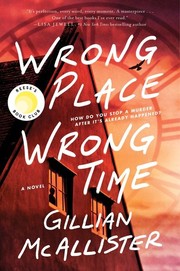
Wrong Place Wrong Time
Jen sees her son Todd kill a stranger, then wakes the day before, slipping back in time to stop the murder.
2,522-word summary · 11 min read

The Locked Door
Surgeon Nora Davis hides serial killer father while patients die.
2,465-word summary · 11 min read

The Family Upstairs
Libby Jones inherits a Chelsea mansion and a past tied to a cult house, two runaways, and a baby left waiting.
3,300-word summary · 15 min read

A Flicker in the Dark
Psychologist Chloe Davis faces copycat disappearances in Baton Rouge twenty years after her father confessed to murders.
3,074-word summary · 14 min read

Sharp Objects
Reporter Camille Preaker returns to Wind Gap to cover two murdered girls, facing her cold mother Adora, wild sister Amma, and scars that spell her past. Full…
2,434-word summary · 11 min read

Gone Girl
Gillian Flynn's Gone Girl fully retold: Nick and Amy Dunne, the diary, Desi, the treasure hunt, and why the ending stays ugly.
2,334-word summary · 10 min read