
Reading options
What's inside (8 sections)
I picked up On Writing because I kept hearing writers bring it up in interviews, and I wanted to see if a horror novelist could actually teach anything useful about sentences. It turns out he can. Stephen King published it in 2000 with Scribner, a 288 page hardcover with the full subtitle A Memoir of the Craft, and the book really is two books pressed together. The first half is family stories and early failure. The second half is shop talk. Both halves are plainspoken and funny, and both keep circling the same point. Good work comes from reading a ton, writing every day, and telling the truth about people.
King starts with a warning that feels honest. This is not a book for people who do not read much or who want a shortcut. He says if you want to be a writer you have to do two things more than anything else. As he puts it:
If you want to be a writer, you must do two things above all others: read a lot and write a lot.
That line shows up early in the craft section, and everything after it is just King showing what those two habits looked like in his own life.
Dirt roads, a toolbox, and a mother who laughed loud
King was born in Portland, Maine in 1947 and raised mostly in Durham by his mother Nellie Ruth Pillsbury King after his father left. He and his older brother David spent a lot of time with comics, movies, and library books. His mother worked hard to keep them fed, and King remembers her as loud, funny, and stubborn about her boys getting an education even when money was tight.
The image that holds the whole book together arrives early. His uncle Oren had a big toolbox, with levels and levels inside, and as a kid King was allowed to carry it but told to put every tool back where it belonged. Years later he uses that box as his picture of writing skill. Common tools on top for everyday jobs. Fancy tools lower down for special cases. You do not reach for the rarest tool first. You learn the hammer and the screwdriver so well you can grab them without looking.
As a boy he was already making little books. He and David put together a neighborhood paper called Dave's Rag, with local news and silly stories sold for a nickel. In school he wrote for the paper and the literary magazine. He watched a lot of horror movies, read Shirley Jackson and H. P. Lovecraft and Richard Matheson, and copied the kind of stories that scared him. One teacher accused him of being morbid for writing that stuff. His mother defended him, which he never forgot.
There is a story here I think about a lot. When he was a kid he found a box of his father's old books in an attic, including a paperback of H. P. Lovecraft, and it hit him the way some kids get hit by rock music. He wanted to make people feel that cold spot on the neck. He started sending stories to magazines and collecting rejection slips on a nail on his bedroom wall. The nail got heavy. He kept going anyway because Tabitha had not entered the story yet, but writing was already the one place where long hours felt like play.
Lisbon Falls, Tabby, and the long apprenticeship
The middle stretch of the memoir covers Lisbon Falls High School and the University of Maine at Orono, and it reads like a working kid learning in public. King wrote a satirical school paper, got in trouble for it, worked summer jobs that left him sunburned and sore, and took writing classes where he learned as much from bad feedback as good. He met Tabitha Spruce in the library stacks, another writer with strong opinions, and she became his first serious reader.
After college came the lean years. Teaching high school English, living in a trailer with Tabby and their kids Naomi and Joe, writing stories late at night at a desk squeezed into a laundry area. The washing machine hummed while he typed. Money was short enough that the phone got shut off more than once. He sold short stories to men's magazines to buy groceries. He drank too much and told himself it was part of the life.
Carrie changed the math. King had tossed the opening pages because he did not like writing in a girl's voice and thought the story was a dead end. Tabby fished the pages out of the trash, read them, and told him she wanted to know what happened next. He finished it. The paperback sale gave them enough to let him write full time. Then came Salem's Lot and The Shining and a run of books that made his name mean something in stores.
King is open about what success cost. By the late seventies and eighties he was drinking and using cocaine and pills, and hiding it from his family while writing huge novels. He barely remembers writing Cujo, which he says with shame rather than pride. In 1987 his family and friends sat him down with a bag of his own trash, bottles and cans and drug debris, and told him to choose. He chose to quit, and he credits Tabby with saving his life. That part is not preachy. It is short and plain, and that makes it land harder.
The van on Route 5 and why this book exists
In the summer of 1999 King was walking on Route 5 in Lovell, Maine when a van driven by Bryan Smith hit him from behind and nearly killed him. Broken hip, broken ribs, collapsed lung, long hospital stay, painful rehab. He writes about learning to walk again and sitting at his desk with his hip aching, trying to make sentences while pain kept tapping his shoulder.
That accident is why On Writing sounds the way it does. He had started the memoir part before the crash and finished the craft advice after, while he was still healing. The last section, called On Living, is really a postscript about that summer. He does not turn it into a lesson about pain making art better. He says writing helped him get through the days when he could not do much else. The book ends with a long reading list, close to a hundred novels he enjoyed in the few years before publication, from Peter Abrahams to Herman Wouk, which tells you how wide his taste runs.
The shape is simple once you see it. First comes C.V., short for curriculum vitae, which is memoir. Then comes On Writing, which is advice. Then comes On Living, which is the crash and recovery. There is no plot to spoil here. The pleasure is watching a guy who sells millions of books talk about his failures without posing.
The top shelf: words, sentences, and cutting the fat
The toolbox talk starts with vocabulary and grammar on the top shelf, and King is relaxed about both. Use the first word that comes to mind if it fits. Do not dress up plain words to impress anyone. He hates the habit of reaching for a big word when a short one is clearer. He loves Strunk and White's The Elements of Style and says every writer should own it, especially the rule about omitting needless words and the reminder to use active voice.
Then comes his most quoted warning:
The road to hell is paved with adverbs.
He means those quicklys and timidlys that pile up in dialogue tags. He says he said sadly and she shouted angrily do work the verb should do alone. He allows a few, but he wants writers to notice how often adverbs act like padding. The same goes for passive voice. He does not say never use it. He says timid writers fall back on was and were constructions when a direct sentence would hit harder. My body was thrown becomes the van threw my body, and suddenly there is a person doing something rather than a fog.
Paragraphs get a nice passage too. King treats the paragraph as the basic beat of thought, not decoration. In fiction, he likes to let dialogue start new paragraphs so the eye can follow who is talking. Description should leave room for the reader. He gives the example of a diner or a street and argues for a few well picked details rather than a full inventory. Let the reader fill the rest with their own memory of chrome and coffee.
Dialogue is where his ear really shows. He thinks dialogue should sound like people talking, with interruptions and half finished thoughts, and that it should carry backstory without speeches. If a character has to explain the town history for three pages, something is wrong. Let two people argue about money or kids and the history will leak out on its own. He also warns against trying to write dialect with piles of apostrophes. A hint of speech pattern goes further than a page of phonetic spelling.
He talks about reading aloud in your head. If a sentence makes you stop and reread, fix it. If dialogue sounds stiff when you hear it, cut it. This sounds basic until you try it on your own draft and catch five places where you were showing off instead of saying the thing.
His daily setup gets a lot of attention from readers, so here is how he puts it. When the book came out he was writing about two thousand words a day, six days a week, mornings kept clear for new pages and afternoons for letters and reading. He wrote behind a closed door to get the draft down, then opened the door for feedback. He read somewhere around seventy to eighty books a year. Those numbers have shifted over the years, and he would be the first to say the exact count matters less than the habit. Show up. Keep the appointment with the page.
Fossils, stories, and people you end up believing
The middle of the craft section has the idea readers quote back most. King thinks stories are found things, like fossils in the ground, not built things like birdhouses. The writer's job is to dig carefully so as not to break the shape. Plot, in his view, is a blunt tool that can crack the fossil. He prefers situation and character. Put interesting people in a hard spot and watch what they do to get out.
That does not mean he writes without any plan. It means he starts with a what if and lets behavior carry the middle. What if a writer gets snowed in with a dangerous fan. What if a kid sees something in the sewer. The situation creates pressure. Character answers pressure. Theme shows up last, if at all, and he warns against starting with a message and dressing it in people.
Character comes before everything for him. He likes ordinary folks with jobs and bills, a nurse, a teacher, a salesman, then one strange pressure that reveals them. Backstory should stay short. A paragraph or two of past is usually enough to explain why a woman keeps a clean house or why a man will not pick up the phone. Research should stay in the background too. He does interviews and visits and reads just enough to get the texture right, then stops before the notes start showing through the prose.
Revision is where he gets practical in a way I found easy to copy. Let the draft cool for a few weeks. Come back with fresh eyes. Read the whole thing through and mark what can go. His formula is blunt:
2nd Draft = 1st Draft minus 10 percent.
Cut the throat clearing at the start of chapters. Cut extra characters who only deliver one line. Cut clever lines that do not move anything. Then open the door. Show the cooled draft to a few trusted readers and listen for the places where they all stumble. If three people flag the same scene, they are right even if you love it.
He also talks about agents and markets with little romance. Finish the story. Revise it. Send it out. Keep new work going while old work makes the rounds. Do not rewrite the same story for a year because one editor passed. Do not pay a reader who promises fame. He learned this sending stories from a trailer, so the advice has receipts.
One more piece stuck with me because it sounds small and turns out large. Write for one reader. King writes his drafts for Tabby, the person whose laugh and bored sigh he knows best. Having a single friendly face in mind keeps him from trying to please a crowd. I tried this with an essay and felt the sentences loosen up right away. It is easier to be clear when you picture a person rather than an audience.
What holds up and what creaks now
Most of this book holds up well, which surprised me given how much publishing has changed since 2000. The core habits still work because they are not about queries or platforms. They are about attention. Reading widely teaches rhythm. Writing daily teaches stamina. Cutting teaches respect for the reader. The toolbox image works because it gives beginners permission to start with simple tools and add fancier ones later.
The memoir parts are the most fun to reread. King writes about his mother and brother and early jobs with warmth and without polishing himself into a hero. He admits to jealousy, laziness, snobbery, and long stretches where he wrote junk. He names names when praising teachers and writers who helped him, and he owns the years when drink ran his schedule. For a famous person, he sounds remarkably like a neighbor telling stories on a porch.
A few things creak. The reading list at the back, useful in 2000, now feels frozen in time, with names that were hot then and quiet now. His remarks on plotting will annoy writers who love outlines, and he can be dismissive of literary fiction in a way that feels like a rivalry he enjoys a bit too much. Women writers appear on his list and in his praise for Tabby, but the book centers a male working life and sometimes talks about wives and secretaries in terms that date it. None of this ruins the advice, but a new reader will notice.
I also wish he had said more about revision beyond cutting length. The minus ten percent rule is a fine start, but structure problems often need more than trimming. Some drafts need a moved chapter or a cut character, rather than only shorter sentences. King does this kind of surgery in his own work, as the Carrie story shows, yet the chapter on rewriting leans hard on line level cuts. A few pages on rebuilding scenes would have helped people whose first drafts sag in the middle.
Who should read it now. Anyone who writes stories, and also anyone who writes at work and wants clearer pages. The horror background barely matters. Only a few passages draw on his scary books, and most examples are about sentences any reader can judge. If you dislike King, this is still the most likable thing he has written because the scares are offstage and the teacher is onstage. If you love King, you get origin stories for Carrie and Salem's Lot and Misery tucked inside the lessons.
I closed the book with a short list taped near my desk. Read every night. Write in the morning before mail and news. Watch adverbs. Prefer active verbs. Let dialogue do the explaining. Cool the draft before judging it. Cut a tenth and then ask Tabby, or whoever your Tabby is, where she got bored. That is not a system that promises fame. It is a routine that makes the next page easier to face, which for most of us is the whole battle.
FAQ
When was On Writing published?
Scribner published it in 2000. The first edition runs 288 pages and the ISBN is 9780684853529.
Is On Writing only for horror writers?
No. King uses horror examples at times, but most lessons cover sentences, dialogue, revision, and daily reading habits useful for any writer.
Does King outline his novels in this book?
He starts from a situation and follows character behavior instead of plotting tightly, then revises by cutting about ten percent from the first draft.
Similar books
More like On Writing →
This Is Going to Hurt
Adam Kay retells his junior doctor diaries with humour and strain, from labour ward nights to leaving medicine.
2,869-word summary · 13 min read

The Autobiography of Malcolm X
Malcolm X traces his life from Michigan childhood through Harlem, prison, and the Nation of Islam to Mecca in this 1965 memoir told to Alex Haley.
2,816-word summary · 13 min read

Shoe Dog
Phil Knight tells how Blue Ribbon Sports grew from a trunk of Japanese running shoes into Nike.
2,824-word summary · 13 min read

Just Kids
Patti Smith recalls broke young years with Robert Mapplethorpe in 1960s New York, from Brooklyn rooms to the Chelsea Hotel, art, music, and a kept promise.
2,401-word summary · 11 min read

Heaven Is for Real
A Nebraska pastor's four-year-old survives a burst appendix, then describes angels, Jesus, and relatives he never met.
2,679-word summary · 12 min read
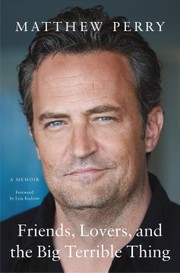
Friends, Lovers, and the Big Terrible Thing
Matthew Perry revisits Friends fame and a long struggle with addiction, from junior tennis to Chandler Bing to a 2018 health crisis, with blunt humor.
2,258-word summary · 10 min read