
One Dark Window
3,040-word summary 14 min read 432 pages in the book
- First published
- 2022
- Publisher
- Orbit
- Pages
- 432
- ISBN
- 9780316312486
- Series
- The Shepherd King (#1)
Reading options
What's inside (8 sections)
I picked up One Dark Window because I wanted something cold and foggy to read in the evenings, and the cover promised exactly that. A girl in red on a bridge between two stone towers, mist coming off the water. I expected a standard gothic romance with a little magic on the side. Rachel Gillig published it in 2022 with Orbit as the first book of The Shepherd King, and what I found was stranger and more fun than the cover suggested. The magic runs on a deck of cards. The heroine has a monster living in her head who talks to her. The romance is there, slow and prickly, but the voice in her head kept stealing every scene for me.
The setup pulled me in fast. The kingdom of Blunder has been locked under a gray mist for centuries, ever since the days of the Shepherd King. The mist is not only weather. It carries an infection. Men who work in the fog too long come home changed, violent or confused, and families learn to keep their doors shut. Worse than the mist is card magic. Long ago the Shepherd King bound strange powers into Providence Cards, and anyone who touches the raw magic of a card risks catching the fever. Most who catch it die or go mad. A few survive with a gift and a mark, and those survivors are hunted, because the king fears what infected people can do.
Elspeth Spindle is one of those survivors. As a child she touched a card and lived, and ever since she has shared her mind with him. She calls him the Nightmare. He is old, rude, clever, and always listening. When she needs strength he can give it, lending her speed and force beyond her own. When she needs answers he sometimes gives them in riddles and rhymes instead of plain speech. He guards her secrets and mocks her choices in the same breath. Nothing he gives is free. Each time she lets him take control, he keeps a little more of her. She hides all of this from her family and from the village, because discovery would mean arrest or worse. I liked this arrangement at once. It turns the usual inner monologue into a conversation, and the Nightmare has real personality. He is funny in a cruel way. He is also frightening, because Elspeth can feel him pressing at the edges of her thoughts, waiting for the day she says yes once too often.
Her ordinary life ends on a forest road. She is traveling with family when a highwayman stops them. He calls himself the Black Horse, and he robs travelers under a black mask. Elspeth fights him with borrowed strength from the Nightmare, and that is her mistake. The highwayman notices what she did. He sees the yellow eyes, the speed, the wrongness of it. Instead of turning her in, he follows her. The Black Horse is Ravyn Yew in disguise, nephew to the king and captain of the Destriers, the elite guard. He is also a traitor. With his sister Jespyr, his cousin Elm, and a small circle of helpers, he is collecting the twelve Providence Cards before Solstice to break the hold of the mist and change who sits on the throne. He needs someone who can handle card magic without dying. He needs Elspeth.
The Monster in Her Head
The first third of the book belongs to Elspeth and the Nightmare, and it is the strongest part. Gillig writes their talks the way you might write two people stuck in one small room. He teases her about Ravyn before she admits she noticed him. He warns her about cards she should not touch. He begs for small freedoms, a few minutes with her hands and voice, and she refuses because she knows the cost. The price is always specific. A memory. A secret. A little more room inside her head. Elspeth pays when she must and hates herself after.
This is also where the rules get laid out without feeling like a lesson. Providence Cards each hold a power. The Well can heal. The Iron Gate can protect. The Maiden, the Chalice, the Mirror, and the others each do one clear thing, and each use of raw magic risks infection for ordinary people. The royal family keeps the cards it has under guard at Stone, the castle at the heart of Blunder. Other cards are lost, hidden in old houses and shrines, or held by nobles who will not give them up. Elspeth can sense cards and survive them because of what she already carries. That makes her useful. It also makes her a target, because if the king learns what lives in her head, he will use her or kill her.
I admired how physical Gillig makes this. When the Nightmare rises, Elspeth feels it in her teeth and fingers. Her eyes change color. Her voice drops. Afterward she is tired in a way sleep does not fix. There are headaches, nosebleeds, gaps where she cannot recall what she said. It reminded me of the way the book treats the mist itself, not as background but as something you breathe. Streets empty at certain hours. Shepherds will not move flocks through low fields. Windows stay shut even in summer. The gloom gets into everything, and the prose stays damp and gray for chapters at a time. Some readers may find that heavy. I found it fit the story. A book about hidden infection should feel a little sick.
There is a fair criticism here too. The Nightmare speaks in riddles often, and once or twice I had to reread a passage to work out what he actually meant. If you dislike cryptic dialogue, those scenes may test you. For me the trade worked, because his answers turn out to matter later, and the confusion Elspeth feels is the point.
The Highwayman on the Forest Road
Ravyn Yew makes a fine entrance and a better slow reveal. On the road he is all mask and threats. Off the road he is tired, careful, and carrying more than he tells. As captain of the Destriers he serves the king by day and robs his tax collectors by night, passing coin and supplies to his own cause. He has a plain, dry manner that hides how afraid he is of failing. His father died for this cause. His family name is already marked. Elspeth dislikes him on sight and then keeps noticing details she wishes she had not, the way he checks on his horse, the way he speaks gently to his sister even when giving orders.
Their deal is simple and bad, which is why it works. Ravyn offers Elspeth protection for her family and a chance to cure Blunder if she helps him find the cards. She agrees because she has little choice and because the Nightmare urges her toward the cards for reasons of his own. She moves into their orbit at Stone under a cover story, posing as a helper with a talent for old objects. The lie sits badly with her. Her family taught her to keep her head down. Now she is lying to soldiers at the castle gate.
The early jobs are my favorite adventure scenes. A card hidden in a country house. A trade that turns into a fight. A locked room where Elspeth must let the Nightmare partway out to sense where the magic sleeps. Gillig writes these with clear geography. You always know where the doors are, who stands watch, what happens if the bell rings. Ravyn plans like a soldier and improvises like a thief. Elspeth is the opposite, brave in bursts and clumsy at lying. The contrast gives their partnership spark. He tells her to stay back. She steps forward anyway. He scolds her after. She repeats the offense the next night.
The romance grows out of this work rather than interrupting it. There is no sudden devotion. There are shared watches, cold rides, arguments about risk. Ravyn learns what it costs Elspeth each time she calls on the Nightmare, and his worry feels earned because he has seen the aftermath. Elspeth learns that Ravyn trusts few people and that his trust, once given, holds. Readers who want high heat should adjust hopes. This book stays mostly in longing looks and one or two charged scenes. The tension comes from proximity and danger, not from long bedroom chapters.
Stone and the Company
Once the action shifts to Stone, the book widens into an ensemble piece. Jespyr Yew is Ravyn's sister, loud and bright where he is guarded. She rides hard, drinks deep, and loves her brother with a loyalty that ignores sense. Erik Spindle, Elspeth's cousin, serves as a physician and brings a gentler view of the infected, which matters because the court sees infection only as a threat. Elm, Ravyn's cousin, plays the court fool with a sharp edge, joking through feasts while watching every door. Ione, a princess of the blood, is quiet and strange and important in ways the book reveals slowly. Above them all stands Prince Hauth, the heir, cold and cruel and hungry for cards of his own.
I enjoyed the company scenes a lot. Meals in side rooms where plans are drawn on the tablecloth. Jespyr teasing Elspeth about Ravyn until Elspeth throws bread at her. Elm covering for them with jokes when guards come near. These moments give the middle its warmth, and the book needs that warmth because the mission is grim. Twelve cards. A deadline at Solstice. A king who is failing and a prince who would be worse. Every card they take makes the next theft harder, because Hauth starts to notice that someone is gathering power.
The card system stays clear even as the count grows. Each card the group finds gets a small history. Who held it last. What it cost them. How the magic shows when released. The Well scene in particular stayed with me, because healing in this book is not clean. It knits flesh but leaves the patient altered, and the healer pays something too. Gillig never lets magic feel free, which keeps the stakes honest. If you want a fantasy where spells solve problems without cost, this is not that book.
The middle does sag a little, and I want to be honest about it. Card hunts start to follow a pattern. Learn where a card sleeps. Plan a theft. Something goes wrong. Elspeth pays with a little more of herself. Repeat. Taken one by one the jobs are fun, but across a hundred pages the shape shows. I also had to keep notes on names for a while, because Blunder has old families with similar sounding surnames and a history that gets referenced fast. A reader who likes propulsive plotting may wish Gillig had cut one theft and spent those pages on the court instead.
Yule Feasts and Court Knives
The court chapters raise the pressure. At Stone, Elspeth must smile at people who would hang her if they knew the truth. Feasts mark the turn toward Solstice, with music and masks that barely cover the fear in the room. The king is weak. Hauth watches everyone. Nobles trade rumors about the mist, about the infected, about which nephew of the king can be trusted. Elspeth attends as a nobody and listens hard, passing what she hears to Ravyn. These scenes worked for me because Elspeth is bad at court lies in an interesting way. She says too little, then too much. Jespyr has to rescue her with laughter. Elm has to step in with a joke that sounds idle and lands exact.
Ione is the surprise of this stretch. At first she seems fragile, a princess kept apart. Slowly it becomes clear she sees more than the court allows, and her bond with Elm gives the book its second romance, softer and sadder than the first. Hauth is the opposite pole. He collects cards the way other men collect debts, and he uses infected people as tools. His scenes are short and nasty. He does not rant. He asks polite questions and waits, and the waiting is the threat. I found him convincing as a villain because his cruelty is practical. He wants power and sees people as paths to it.
A Yule feast sequence near the middle marks the turn from theft to open danger. I will not spoil the exact moves, but a card changes hands in public, a bargain goes wrong in private, and Elspeth has to use the Nightmare in front of people who cannot know. The cost jumps. She loses time. She wakes with blood on her sleeve and no clear memory of how it got there. Ravyn sees enough to be frightened for her. The Nightmare, for his part, grows stronger and less patient. He stops asking for small freedoms and starts demanding them. His jokes thin out. What replaces them is older and colder, and Elspeth begins to suspect he has not told her what he truly is.
What the Nightmare Really Is
This is the thread that lifts the book above a normal quest story. The Nightmare claims to be only a spirit caught in her head by chance. Little signs say otherwise. He knows the old songs of Blunder too well. He knows the names on ruined stones. He hates the Shepherd King in a way that feels personal rather than historical. Elspeth starts to ask questions he will not answer, and his silence tells her plenty. Without giving away the final reveal, I can say the answer reframes everything he has done. His help was never charity. His riddles were never only games. He has been moving Elspeth toward the cards for his own purpose from the first page.
I thought this reveal was well earned. Gillig plants the clues early, in throwaway lines about Rowan, the Shepherd King who united Blunder five hundred years past and then broke it. Children in Blunder learn rhymes about him. Priests tell one version. Old families tell another. The truth, when it comes, fits the rhymes but darkens them. It also explains the mist, the fever, and why Elspeth survived when others died. She is not only a girl with a gift. She is a door that has been opening by inches for years.
The bargain logic pays off here too. Every time Elspeth said yes to the Nightmare, she signed a little more of herself away. Gillig treats consent seriously. Elspeth agreed each time, often to save someone else, and the book does not pretend those choices were forced. That makes the late chapters sad in a way I did not expect. Elspeth is brave, but bravery in this system has a ledger, and the ledger comes due. Ravyn begs her to stop spending herself. She cannot, because the alternative is letting everyone she loves die. The romance works best in these chapters, not as banter but as two tired people telling the truth at last.
If there is a weakness in this arc, it is that the history lesson arrives in a rush. Centuries of kings, priests, and cards get explained quickly near the end, and I had to slow down to track who betrayed whom. A family tree or a slightly earlier start to the history would have helped. Still, the emotional core lands. When Elspeth understands what she carries, her choice feels like hers rather than like a twist imposed from outside.
Solstice and the Price
The closing run toward Solstice is tense and bloody. The group has most of what it needs and lacks the one thing that matters. Hauth moves openly now, with soldiers and cards of his own. The king fades. Stone fills with armed men who answer to different masters. Old allies break. A theft becomes a siege. A feast becomes a trap. Elspeth and Ravyn are separated at the worst moment, and each must decide what to trade to reach the other. I read these chapters fast, which is usually my sign that the plot has me.
Gillig does not flinch at cost. People Elspeth loves are hurt. Cards demand payment in blood and memory. The Nightmare collects what he is owed. The final bargain is the hardest scene in the book, because Elspeth understands exactly what she is giving and does it anyway. I will leave the details for new readers, but the ending is a true cliffhanger. The quest changes shape. Elspeth pays in a way that cannot be undone in a page. Ravyn is left holding consequences he did not choose. The last lines point straight into Two Twisted Crowns, which follows Elm and Ione alongside Elspeth and Ravyn. Readers who hate waiting for the next volume should have book two ready. You will want it at once.
So who should read this. If you like gothic atmosphere, mist and stone and old songs, you will feel at home. If you like magic with clear rules and real costs, the card system will please you. If you like banter between two guarded people who fall for each other while committing treason, Ravyn and Elspeth deliver. If you want a standalone with a tied ending, look elsewhere. This is half of a duology and it reads like it. If you want constant action without court scenes, the middle may drag for you. If cryptic spirits and riddles annoy you, the Nightmare will test your patience before he wins you over.
I finished the book admiring its control. The voice in Elspeth's head could have been a gimmick. Instead it becomes the heart of the story, funny and awful by turns. The cards could have been decoration. Instead they shape every choice, because each one has a past and a price. Blunder feels lived in, from its closed windows to its feast halls. The romance earns its moments. The cliffhanger stings. I closed the book late at night, annoyed at having to wait to learn what happens next, which is probably the best sign that the mist had me.
FAQ
Is One Dark Window the first book in a series?
Yes. It is book one of The Shepherd King duology, published in 2022 by Orbit, and it ends on a cliffhanger. The sequel is Two Twisted Crowns.
Why does Ravyn need Elspeth for the card hunt?
She survives card magic because the Nightmare lives in her head, so Ravyn recruits her to find the twelve Providence Cards before Solstice. Each use lets the Nightmare take more of her mind.
Is One Dark Window spicy or only for romance readers?
It is an adult gothic romantic fantasy with slow burn romance and some violence. Readers who want only cozy fantasy or a standalone ending should look elsewhere.
Similar books
More like One Dark Window →More from The Shepherd King first, then related titles.

The Ballad of Never After
Evangeline hunts four missing Arch stones with Jacks to free a cursed Apollo and learns what his rescue will cost.
3,690-word summary · 16 min read

Legendary
Tella enters a new Caraval in Valenda to pay a debt with Legend's name, while curses and waking Fates raise the cost.
2,886-word summary · 13 min read

Carry On
Simon Snow returns to Watford for his last year as a failing Chosen One, with his roommate Baz missing and the Humdrum wearing his face.
2,662-word summary · 12 min read

Once Upon a Broken Heart
Evangeline trades three kisses with the Prince of Hearts to stop a wedding and dooms herself instead.
2,839-word summary · 13 min read

Stardust
Tristran Thorn climbs over the wall of Wall to fetch a fallen star and finds Yvaine, witches, and princes hunting her.
2,490-word summary · 11 min read
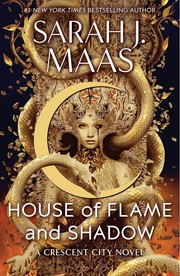
House of Flame and Shadow
Bryce lands outside Midgard while Hunt sits in Asteri dungeons and the war for two worlds builds.
2,983-word summary · 13 min read