
Rich Dad Poor Dad
2,031-word summary 9 min read 336 pages in the book
- First published
- 1997
- Publisher
- Plata Publishing
- Pages
- 336
- ISBN
- 9781612680170
Reading options
What's inside (4 sections)
I read Rich Dad Poor Dad because everyone cites it and almost no one agrees about it. Robert T. Kiyosaki self published it in 1997, later picked up commercially, the anniversary paperback I cite runs 336 pages from Plata Publishing with ISBN 9781612680170. It is a personal finance parable about two dads. Poor dad is his biological father, highly educated, hardworking, afraid of money talk, ending with little. Rich dad is his friend Mike's father, less formally schooled, blunt about business, owning assets, ending wealthy. The book argues the difference is not salary. It is what you learn about money and what you buy.
The opening stories are simple and sticky. At nine, Robert and Mike want money. They try counterfeiting nickels from lead, get scolded, ask rich dad to teach. He offers jobs for pennies, then nothing, to teach that working for pay traps. He says most people work for money, fear and greed driving. Rich learn to have money work. Poor dad says study hard, get safe job, buy house. Rich dad says study money, buy assets, mind business. Young Robert listens to both at dinner tables and must choose.
Kiyosaki defines terms in ways that annoyed accountants and helped beginners. An asset puts money in your pocket. A liability takes money out. Your house, he says, is usually a liability because mortgage, tax, upkeep drain, even if price rises. Stocks, bonds, rental property that cash flows, businesses you do not run daily are assets. Rich buy assets. Poor buy liabilities they think are assets. Middle class buy liabilities on credit and call it wealth because salaries rise with expenses. The cash flow diagrams, circles with arrows, are the book's best teaching tool. I sketched my own after and saw leaks I ignored.
The six lessons form the core. The rich do not work for money. Why teach financial literacy. Mind your own business. Taxes and corporations history. The rich invent money. Work to learn, not earn. Each gets stories. Minding business means keep a day job but build asset column nights. Taxes chapter argues corporations came from rich using law, employees pay most, owners use rules. Inventing money means spotting deals, raising capital, moving fast. Work to learn means take jobs for skills in sales, marketing, accounting, not title. Some of this is solid. Some is simplified to sales pitch.
What helped me and what did not
What helped is mindset shift. I grew up hearing house equals investment, job equals safety, debt equals shame always. Kiyosaki says house is shelter first, investment only if cash flows. Job is training and cash, not identity. Debt can be good if someone else pays it through rent and you keep spread, bad if you pay for wants. He pushes financial statements for households. Income, expenses, assets, liabilities. Most people do not know theirs. I did not fully. Listing mine after chapter three was uncomfortable and useful. Subscriptions, car, food delivery. Assets thin. He is right that schools rarely teach this. My school did not.
His talk about fear and cynicism also landed. Fear of losing keeps people in safe jobs and safe savings that lose to inflation. Cynicism, friends saying that deal is risky, that landlord life is hell, that stocks crash, keeps people out. Rich dad says both are overcome by study and small starts. Take a course. Read statements. Buy one small rental with partners. Learn. I liked the emphasis on action over perfect knowledge. Start small, fail cheap, learn. That is better advice than most finance books that drown you in charts.
What did not help is specifics. The book names few deals with numbers you can check. No addresses, no closing statements, no tax returns. Critics like John Reed noted errors and vague claims. Kiyosaki admits stories are parabolic, possibly composite. If you need step by step on buying rentals in your city in 2026, this will not give it. Zoning, rates, insurance, tenant law differ wildly. The book says find deals, use corporations, pay less tax legally. How, exactly, with current law? You need other books, accountants, local mentors. Treat this as pep talk, not manual.
The corporation and tax chapter needs a caveat. Kiyosaki says rich use corporations to earn, spend, then tax, while employees earn, tax, spend. That structure exists in broad strokes, but forming corps to dodge tax can backfire without profit and counsel. Fees, filings, audits. His history of taxes is simplified. His praise of risk can read as contempt for workers. Teachers, nurses, clerks are called poor dad without honoring that societies need them and that not everyone can or should become landlord entrepreneur. I winced at lines that mocked educated caution. Caution pays rent too.
Real estate cheerleading is another limit. Written from Hawaii and Arizona booms, the book treats property as path. Sometimes it is. Sometimes markets fall, tenants stop paying, roofs fail, rates spike. Kiyosaki lived through crashes and says he bought more, which requires capital most beginners lack. His rich dad could borrow because he had assets. Beginners borrowing to buy liabilities called assets is how ruin happens. The book warns about risk but also glamorizes leverage. Read with both eyes open. Cash flow first, appreciation maybe.
Stories, style, and use
Style is plain, repetitive, salesy. Short chapters. Bold claims. Rich dad says. Poor dad says. Quizzes. The co author Sharon Lechter adds CPA sidebars in early editions that help. Repetition drills asset versus liability until you dream it. Some readers find this motivating. Others find it thin at 336 pages with large print and diagrams. I found it fast. One weekend, pencil in hand. The book wants you to feel you can act Monday. That energy is its gift and its danger. Energy without plan becomes seminar upsell. Kiyosaki built courses and games on this brand. The book funnels to them. Know that going in.
The two dads as characters work as fable. Poor dad is kind, principled, overworked, afraid to look ignorant about money, dies with little despite PhD and service. Rich dad is gruff, generous with lessons, strict about numbers, dies with much and gives. Are they real exactly as told? Probably composites. Does that matter? For lessons, less. For trust, some. If you need memoir truth, read Angela's Ashes instead. If you need parable that moves you to budget, this moves.
Lesson details need more room because readers quote them without context. Lesson one, the rich do not work for money, means do not chase paycheck alone. Rich dad pays Robert nothing for weeks to show fear and desire drive workers. No pay forces thinking. Robert learns to see opportunities instead of begging raises. Lesson two, why teach financial literacy, means know accounting, investing, markets, law. Rich dad draws statements until Robert can read them like stories. Income bleeds to expenses. Assets feed income. Liabilities eat. Most adults never learn to read their own story. Lesson three, mind your own business, means keep job but build column. McDonald's sells burgers but owns land. Ray Kroc understood business is real estate. Robert should work as employee by day and buyer by night. These three alone, practiced for a year, change habits even if wealth stays modest.
Lessons four to six get more controversial and need careful reading. Lesson four on taxes and corporations says tax law rewards owners who provide jobs and housing. Corporations earn, spend on business needs, then tax remainder, while employees earn, tax, then spend. True in outline, but forming entities costs and invites scrutiny. Kiyosaki glosses compliance. Readers should talk to local CPAs before copying. Lesson five, the rich invent money, means find deals others miss through study. Foreclosures, small partnerships, seller financing. In 1997 Hawaii this worked for those with cash and contacts. In 2026 high rate markets it works differently. Study your zip, not his anecdote. Lesson six, work to learn not earn, means take sales, marketing, management roles for skills. Robert works in Xerox sales to learn rejection. That advice holds well. Skills compound. Titles fade. I kept this lesson taped to my desk for a year while learning to sell my own work without shame.
Practical takeaways I kept: pay yourself first by auto moving to asset column, even small. Track statements monthly. Learn difference between capital gains and cash flow. Take a sales job or project to learn rejection and numbers. Study one market deeply rather than all markets thinly. Talk to owners, not gurus. Avoid doodads on credit. Keep day job while building. Teach kids by letting them manage small money and fail. These are not revolutionary. Collected in one voice they push.
Mike's role deserves more note because he is the quiet third dad in practice. Son of rich dad, friend of Robert, he learns alongside and inherits advantages Robert must build from scratch. He gets early loans, introductions, safety nets. Robert admits this gap without dwelling. That honesty matters. Starting points differ. Lessons help but do not erase. When Mike and Robert buy their first small rental together as teens, pooling soda stand money, the deal works because rich dad backstops risk. Most teens have no backstop. Kiyosaki presents it as proof anyone can. Readers should see both proof and cushion. Try the same move with a mentor who covers downside and you learn faster. Without, start even smaller.
The cash flow game and seminars that grew from the book need a clear eyed paragraph. Cashflow 101 teaches assets and liabilities by play, which many find useful. Live events teach sales, energy, upsells. Some attendees learn and network well. Others spend thousands chasing deals they are not ready for. The book funnels to funnel. That is business, not evil, but readers on tight budgets should know. Buy the 336 page paperback, play a free statement game online, talk to a local credit union counselor before buying courses. Education can be cheap. Debt for education about debt is irony you do not need.
Sharon Lechter's voice, present in early editions as CPA notes, helps ground Kiyosaki's stories. She adds definitions, warnings, worksheets. When she left the brand, later editions lost some balance. If your copy has her sidebars, read them twice. They slow the hype with steps. File entity only if profitable. Keep emergency cash before investing. Get tax advice in your state. Those boring lines save more money than bold lines earn. I flagged five pages of her notes and ignored three of Kiyosaki's war stories on reread. That ratio tells you where value sits for beginners.
Poor dad's values need a fairer paragraph because Kiyosaki sometimes mocks them to sell. His poor dad taught study, service, honesty, showing up for students for decades on modest pay. Those values fed families and communities. The book frames him as cautionary, but readers should keep his steadiness while adding money skills. I kept his habit of grading papers carefully, applied to statements. Check work. Ask questions. Do not cheat. Rich dad's lessons without poor dad's ethics become hustle. Both dads together make a whole adult. That synthesis, unsexy and steady, is what I took from reread more than any deal story.
Who should read it? Beginners who feel anxious about money and need permission to learn. Young workers choosing between extra degree and extra skill. Parents wanting language for kids. If you already own rentals, run a business, read statements fluently, you will find little new and much to argue. If you are in debt crisis, read with care. Do not leverage crisis on hope. Stabilize, then build.
I closed it both grateful and skeptical, which feels right. Grateful for the asset sketch on a napkin that showed my leaks. Skeptical of easy rich versus poor framing that ignores luck, health, race, networks. Kiyosaki says mindset explains most. Life says more mixes. Use the book as starter, not scripture. Check claims with local pros. Keep poor dad's values of learning and service while adding rich dad's habit of buying what pays. That middle path, unsexy and steady, is what I took. It will not make a seminar poster. It might make a calmer bank account.
FAQ
When was Rich Dad Poor Dad published?
Self-published in 1997, then Warner Books. The anniversary paperback runs 336 pages and the ISBN is 9781612680170.
Who are the main characters?
Robert, his poor dad, his rich dad, Mike, and Sharon Lechter as co-author voice.
Is it part of a series?
Yes, it starts the Rich Dad series on money and investing.
Similar books
More like Rich Dad Poor Dad →
Zero to One: Notes on Startups, or How to Build the Future
Thiel argues monopolies create value through vertical progress, not by copying competition.
2,582-word summary · 11 min read
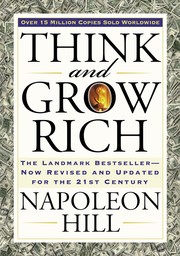
Think and Grow Rich
Hill teaches desire, faith and autosuggestion, distilling lessons from Carnegie interviews into thirteen principles for success.
2,458-word summary · 11 min read

The Lean Startup
Ries lays out Build-Measure-Learn, MVPs, pivots and validated learning for building companies under extreme uncertainty.
2,581-word summary · 11 min read

Who Moved My Cheese?
A tiny parable about two mice and two little people hunting cheese in a maze, and why adapting to change beats waiting for old days to return.
2,533-word summary · 11 min read
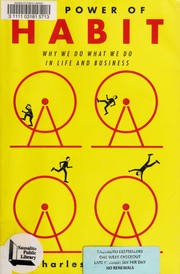
The Power of Habit
Why we do what we do: the cue routine reward loop, keystone habits, and how companies and movements use the same science, from toothpaste to the bus boycott.
2,207-word summary · 10 min read

The Tipping Point: How Little Things Can Make a Big Difference
How tiny shifts push ideas and products past a tipping point into epidemics.
2,014-word summary · 9 min read