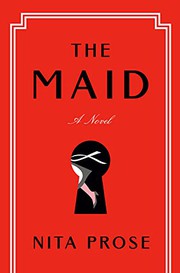
The Maid
2,031-word summary 9 min read 304 pages in the book
- First published
- 2022
- Publisher
- Ballantine Books
- Pages
- 304
- ISBN
- 9780593356159
- Series
- Molly the Maid (#1)
Reading options
What's inside (6 sections)
I bought this on a whim because the cover looked cozy and the first line about trouble with social skills made me pay attention. The Maid was published January 4, 2022 by Ballantine Books, 304 pages in hardcover, ISBN 9780593356159, author Nita Prose, first in the Molly the Maid series. It is a murder mystery told by Molly Gray, a hotel maid who takes rules literally and notices dirt other people miss. I expected light. I got light with a thread of grief that surprised me.
Molly is twenty five. She lives alone after her Gran died a few months before the story starts. Gran raised her and gave her phrases to live by. Smile and the world smiles back. Cleanliness is next to godliness. Everyone has secrets. Molly repeats these to herself while she works. She struggles to read faces and jokes. She tells the truth when a lie would be smoother. At the Regency Grand Hotel, where she cleans suites, those traits make her excellent at beds and terrible at break room chat.
Her day starts with a uniform pressed, a cart stocked with small soaps, and a plan for each room. She loves returning a messy suite to order. She talks to herself while she works, or used to talk to Gran. On the day that changes everything, she enters the suite of Charles Black, a wealthy regular, and finds it disordered and Mr. Black dead in bed. She does what Gran taught, she calls her boss, she tries to straighten the pillows even though she should not touch. That small urge to tidy a crime scene tells you who Molly is better than any diagnosis label the book wisely avoids pinning down.
The police come. Detective Stark asks questions. Molly answers with too much detail and too little filter. She mentions what time she entered, what she cleaned first, what she thought about Mr. Black's wife. Her honesty sounds odd to tired ears. She becomes a suspect, or at least a person of interest. The hotel wants her gone quietly. Her fellow maid Sunitha, her friend Juan Manuel the dishwasher, the bartender, the front desk staff, all watch.
Molly's Gran appears in memory on almost every page. Gran worked as a maid too. She taught Molly to read people by rules because instinct did not come easy. If someone looks away, they may be shy, not rude. If someone offers food, say thank you and take a little. Those rules help and fail by turns. Gran also kept secrets from Molly to protect her, about Molly's parents, about money, about why they lived as they did. As Molly investigates to clear herself, she learns Gran was more complicated than the sayings. I found those discoveries moving without becoming bitter. Love stays, but grows up.
The hotel as a small town
The Regency Grand works like a village. Mr. Snow the manager cares about reviews. Cheryl the head maid cares about power. Giselle, Mr. Black's young second wife, cares about being seen as grieving and free at once. She befriends Molly in a way that feels warm and slightly off. She gives Molly a nickname, asks favors, borrows money, tells stories about Charles that shift. Molly, who takes people at their word, believes each version. The reader sees the gaps sooner. That gap creates gentle suspense. When will Molly catch up, and will it be too late.
Juan Manuel matters a lot. He is kind without making a project of Molly. He walks her to the bus, shares food, tells her when she is being used in plain words. He does not mock her. Sunitha is practical and funny, covering shifts, translating office politics. Mr. Preston, the doorman, knows more about guests than he says and treats Molly with old fashioned courtesy. These friendships build slowly through shared work, not speeches about inclusion. I liked that Prose shows help as rides and meals and shift swaps rather than lessons.
The mystery itself is classic. Who killed Charles Black. Where is the money. What did Giselle know. Why did a maid's cart contain something it should not. Why did Molly's second visit to the suite happen. There are locked doors, missing keys, security footage with gaps, a bar receipt, a note. Prose plants clues in cleaning details. A stain that should not be there. A pillow without a case. A vacuum bag changed too soon. Molly notices because noticing is her skill. The police dismiss because they look for motive first. The contrast is satisfying.
I will not name the killer here, but the solution uses Molly's literal mind as asset rather than trick. She remembers exactly what she did in what order, which lets her spot what someone else moved. She trusts written rules, like the hotel log, over charm. When she finally lies, or withholds, it matters because she has told the truth all book. That turn is small and earned. No car chase. A conversation in a small room where Molly says what she saw and refuses to soften it.
Giselle's arc is the most complicated. She is victim and user at once. Married to an older rich man who controlled her, she learned to survive by pleasing and borrowing. She sees Molly's goodness and borrows that too. I felt sorry for her and angry at her in the same chapter. The book does not excuse using a vulnerable friend, but it shows why a woman with no money and a dead husband might panic. Her final choices are selfish and human. Molly's response is clearer eyed than I expected. Forgiveness with distance.
Grief under the polish
What lifts this above cozy formula is grief. Molly is newly bereaved. She still sets two cups for tea. She hears Gran's voice while she folds. She keeps the apartment exactly as it was because change feels like loss again. Her investigation is partly about clearing her name and partly about proving Gran's rules still work. When a rule fails, when smiling does not make the world smile back, Molly has to decide what to keep. That inner story runs under the murder and gives weight to scenes that could have been cute.
There is a passage where Molly cleans Gran's old room and finds papers Gran hid. I will not detail them, but they reframe Molly's childhood. Gran was wise, and also. She was tired, scared, doing her best with little. Molly cries while dusting, then finishes dusting because that is what she does. I sat with that image. Care as mourning. Work as prayer. It felt true.
The book also looks at class without preaching. Maids are invisible until something breaks. Guests leave messes and judgments. Managers count minutes per room. Molly loves work that others dismiss as low skill, and Prose shows the skill: chemistry of stains, order of operations, memory of preferences, discretion. Juan's dish work gets similar respect. Long hours, hot water, cut hands. The mystery turns on who respects that labor and who does not. The killer underestimates maids. Molly counts on being underestimated and then uses it.
Pacing and quibbles
The pace is steady rather than fast. The first third is daily life and setup. The middle is interviews and small discoveries. The last eighty pages tighten. Readers wanting a thriller sprint may find the early hotel routine slow. I liked the routine because it teaches you how Molly thinks, so the later deductions land. But I admit skimming one staff meeting and one inventory list. The book could lose ten pages of procedure and keep its charm.
Molly's voice is consistent, which is a feat. First person literal narration can become gimmick. Prose avoids that by letting Molly learn words and jokes across the book. She repeats Gran less as she trusts herself more. She tries sarcasm once and fails sweetly. She understands a metaphor without having it explained by the final chapter. Growth is shown in language, not announced. That is well done.
A quibble is that the police read a little thin. Detective Stark is sharp but brusque to the point of missing obvious cleaning logic. A real detective would check logs sooner. The book needs her to be slow so Molly can be fast, and it shows. I forgave it because the hotel staff's amateur work is so enjoyable, but on reflection the official investigation leans convenient.
Another quibble is money. Amounts, debts, and who paid for what get vague in the middle. I lost track of how much Giselle owed and to whom, which matters for motive. A clearer ledger would help. The final explanation covers it, but I had to reread. For a book about order, a little more order in the finances would fit.
A few scenes I keep picturing
I want to linger on three small moments because they show Prose at her best. First, Molly teaching Juan how she folds a fitted sheet. She does it with corners tucked and air smoothed, explaining each step like a recipe. Juan laughs, tries, fails, tries again. No one is in a hurry. The sheet finally lies flat. It is not a clue. It is friendship in work clothes. I smiled for a whole page.
Second, Molly eating lunch alone after being cleared to return but before anyone apologizes. She sits in the staff room with her sandwich cut in triangles, Gran's way, and reads a note Gran left in her lunchbox years ago. Cheryl talks loudly about schedules. Sunitha slides Molly an extra cookie without comment. That cookie matters more than any speech about belonging. Someone saw her and acted. Molly keeps the wrapper. I understood why.
Third, Mr. Preston at the front door in the rain, holding an umbrella for guests who do not thank him, then holding it a second longer for Molly when her bus is late. He tells her Gran was proud of her. He says it plainly, no flourish. Molly stands up straighter. It is a tiny blessing from an older worker to a younger one. In a book full of rich guests and police, that doorman's kindness lands hardest.
I also appreciated how Prose writes misunderstanding without making Molly a joke. When Molly takes an idiom literally, the narration lets you see both meanings. A guest says make yourself at home and Molly starts to tidy their shelf. Juan gently stops her and explains. Molly is embarrassed, then learns the phrase for next time. The humor is warm, never at her expense. As someone who has misread rooms myself, I felt protective and also taught. Listen longer. Ask what is meant. Keep dignity while learning.
Gran's sayings get tested one by one. Smile and the world smiles back fails at the police station. Cleanliness is next to godliness helps in a suite but not in an interview. Everyone has secrets proves true in a way that hurts. By the end Molly keeps what works and rewrites the rest in her own words. I am not Gran, she thinks, I am Molly. That line, quiet in the middle of a chapter about laundry, hit me more than the reveal of who moved what. Becoming yourself after loss is the real mystery solved.
Still, I closed The Maid fond of almost everyone, including flawed Giselle. Molly gets to keep her job in a new way, keep her friends on new terms, and keep Gran without living inside sayings. The last scene with a clean room and a honest conversation felt right. No grand romance. No sudden brilliance. Just a young woman who sees clearly and chooses kindly, with better boundaries.
If you like mysteries where the detective's difference is strength, where hotels feel real, and where grief sits beside humor, try this. If you need hardboiled pace or twist upon twist, look elsewhere. This is a warm book about cold facts: a body, a logbook, a missing cloth, and a maid who remembers.
Facts kept: first published January 4, 2022 by Ballantine Books in the United States, 304 pages in hardcover, ISBN 9780593356159, author Nita Prose, series Molly the Maid book one. Summary follows that edition.
FAQ
When was The Maid published?
It was first published January 4, 2022 by Ballantine Books. The hardcover runs 304 pages with ISBN 9780593356159.
Who are the main people?
Molly Gray, her late Gran, fellow maid Sunitha, dishwasher Juan Manuel, doorman Mr. Preston, Giselle and Charles Black, and Detective Stark.
Is it part of a series?
Yes. It is book one in the Molly the Maid series.
Similar books
More like The Maid →More from Molly the Maid first, then related titles.

In a Dark, Dark Wood
Writer Nora joins hen party Clare in glass house where a murder happens.
2,253-word summary · 10 min read

Turtles All the Way Down
Aza Holmes lives with intrusive thoughts while chasing a missing billionaire with Daisy.
2,007-word summary · 9 min read

Remarkably Bright Creatures
A widowed night janitor, a lost young man, and a grumpy octopus circle the same old loss in a small seaside town.
2,012-word summary · 9 min read

A Good Girl's Guide to Murder
Pip reopens a closed murder case for a school project and finds the town wanted it shut.
2,621-word summary · 12 min read
Wrong Place Wrong Time
Jen sees her son Todd kill a stranger, then wakes the day before, slipping back in time to stop the murder.
2,522-word summary · 11 min read

The Raven Boys
Blue Sargent joins four Aglionby boys hunting a Welsh king on a Virginia ley line.
2,537-word summary · 11 min read